





Introduction to Esports
Esports, short for electronic sports, represents a form of organized, competitive video gaming that has transformed from a small community pastime into a global entertainment phenomenon. Over the past two decades, esports has evolved into a billion-dollar industry with millions of fans, professional players, sponsorships, and international tournaments. What was once considered a hobby for teenagers has now become a legitimate profession for thousands of players around the world. Esports has broken barriers between gaming and traditional sports, creating its own culture, career opportunities, and global appeal.
The Birth of Esports
The roots of esports can be traced back to the early days of video gaming in the 1970s and 1980s. The first recorded competitive gaming event occurred in 1972 at Stanford University, where students competed in the game “Spacewar.” The winner received a year’s subscription to a magazine as a prize. While small by modern standards, it marked the birth of organized video game competition. In the 1980s, arcade gaming exploded in popularity, with players competing for high scores in games like “Pac-Man” and “Donkey Kong.” The 1990s saw the rise of local area network (LAN) parties, where players connected their computers to compete in games such as “Doom,” “Quake,” and “StarCraft.” These events laid the groundwork for the online tournaments that would soon follow.
The Rise of Online Gaming
The late 1990s and early 2000s marked a turning point for esports as the internet made it possible for gamers to compete from anywhere in the world. Online multiplayer games like “Counter-Strike,” “StarCraft,” and “Warcraft III” gained massive popularity, especially in countries like South Korea, where gaming cafes (PC bangs) became social hubs. South Korea, in particular, played a crucial role in professionalizing esports. Television networks began broadcasting matches, sponsors supported players, and fans treated professional gamers like celebrities. The success of South Korean esports inspired the global expansion of the scene, leading to the creation of international tournaments.
The Expansion of Esports Titles
As the esports industry developed, different genres began to dominate various competitive scenes. Real-time strategy games like “StarCraft” set early standards for skill and strategy. First-person shooters such as “Counter-Strike,” “Call of Duty,” and “Overwatch” became crowd favorites for their intensity and fast-paced action. Multiplayer online battle arena (MOBA) games like “Dota 2” and “League of Legends” took esports to unprecedented heights, attracting millions of players and viewers worldwide. Fighting games like “Street Fighter,” “Tekken,” and “Super Smash Bros.” maintained strong grassroots communities, while sports simulations like “FIFA” and “NBA 2K” bridged the gap between traditional sports and gaming. Each of these genres contributed to the diversity and global reach of esports.
Professional Esports Organizations
With the increasing popularity of esports, professional organizations emerged to manage teams, players, and sponsorships. Teams like Team Liquid, Fnatic, Cloud9, and T1 became household names within the gaming world. These organizations recruit talented players, provide them with training facilities, coaching staff, and support systems similar to traditional sports teams. Many esports organizations also operate across multiple games, allowing them to expand their reach and influence in different communities. Sponsorships from major companies have become a primary source of revenue for teams and tournaments. Brands ranging from technology giants to energy drink companies now actively invest in esports marketing, recognizing the immense engagement potential among younger audiences.
The Spectator Experience
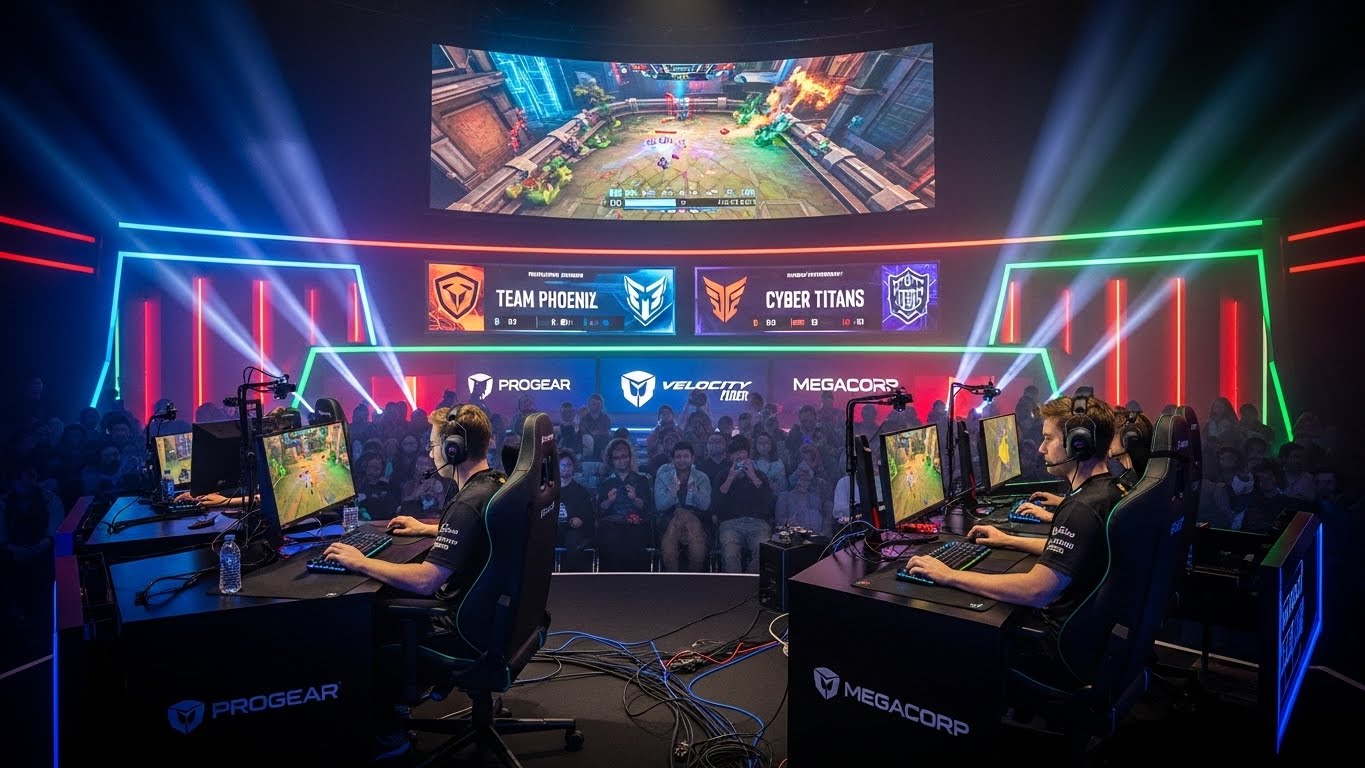
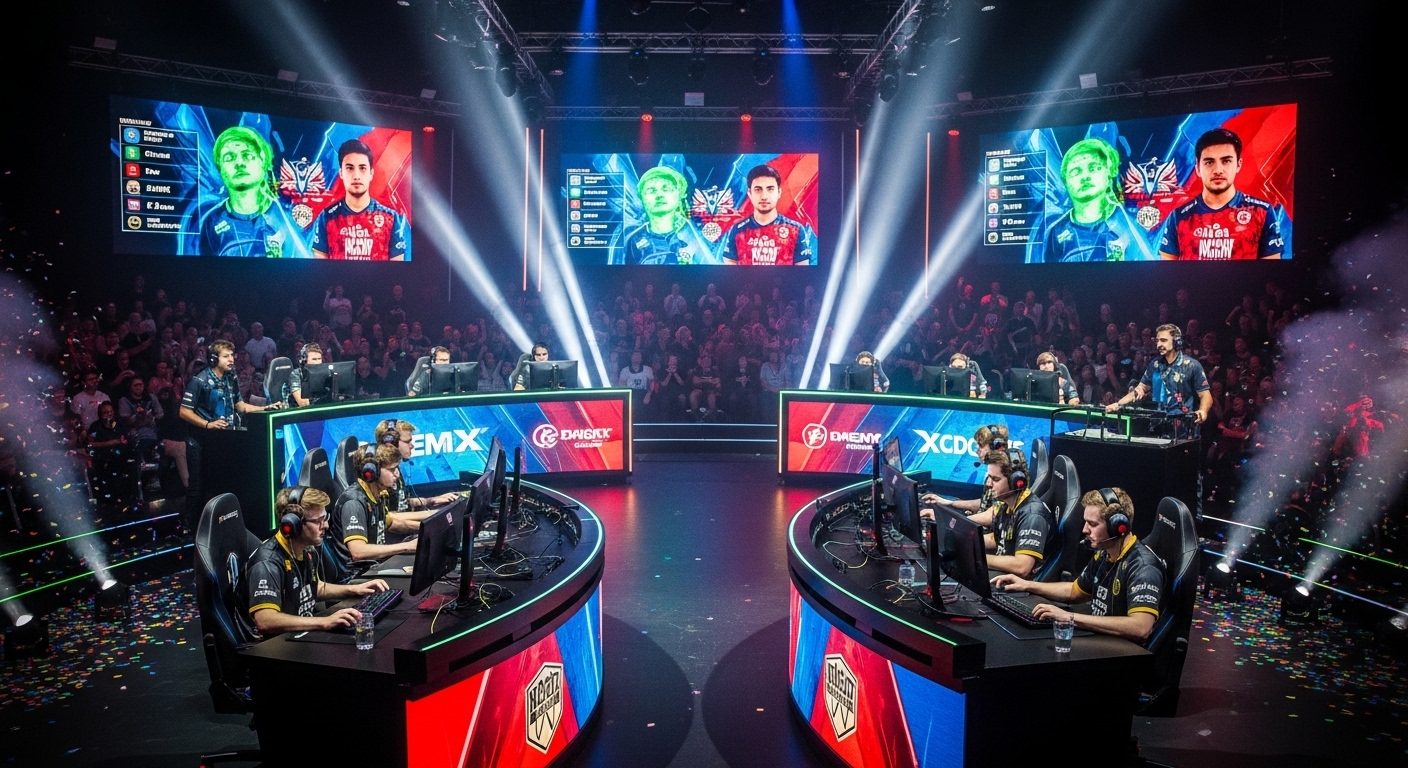
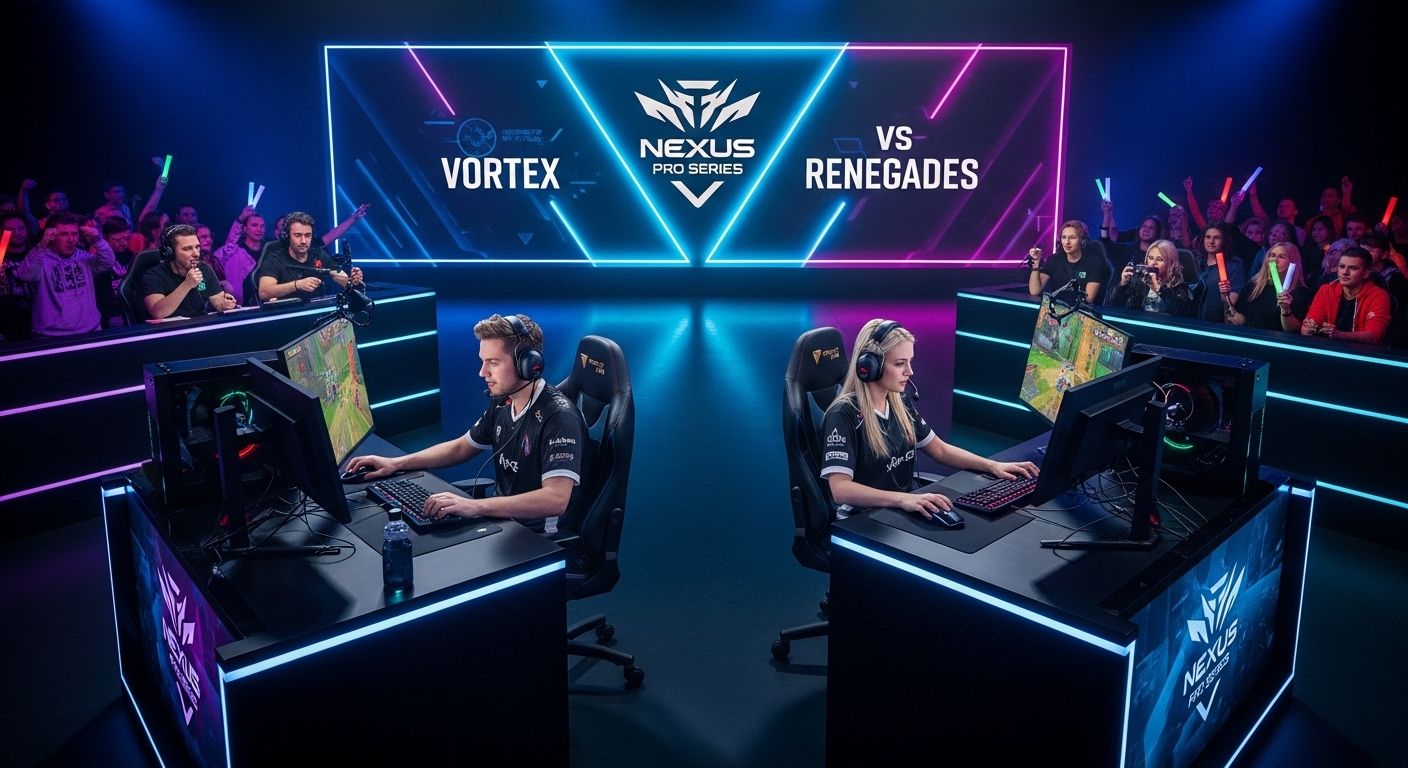
One of the key factors that transformed esports into a mainstream phenomenon is its accessibility as a spectator sport. Online platforms allow millions of fans to watch tournaments live, often with professional commentary and high production value. The excitement of watching skilled players execute complex strategies or pull off incredible reflex plays creates an atmosphere similar to that of physical sports. Esports arenas filled with cheering crowds showcase the emotional connection fans have with the games and players. Live events, such as The International for “Dota 2” and the League of Legends World Championship, draw tens of thousands of fans in person and millions more online, rivaling viewership numbers of major traditional sports events.
The Role of Streaming Platforms
Streaming platforms have revolutionized how esports content is consumed and shared. Websites like Twitch, YouTube Gaming, and others provide a space where professional players and casual gamers alike can broadcast their gameplay to the world. These platforms not only allow fans to watch competitions but also interact directly with players and commentators. The rise of live streaming has given birth to a new form of entertainment and personality-driven content, where streamers can build communities and generate income through donations, subscriptions, and sponsorships. Streaming has blurred the line between professional competition and everyday gaming, making esports more inclusive and engaging for audiences worldwide.
Esports and Youth Culture
Esports has become an integral part of modern youth culture, influencing fashion, communication, and lifestyle. Young people today grow up watching esports events and following professional players much like previous generations idolized football or basketball stars. Gaming culture has fostered its own sense of identity, community, and creativity. Online forums, fan art, cosplay, and social media interactions have made esports a cultural movement rather than just a competitive activity. Schools and universities around the world have also begun recognizing esports as an extracurricular activity, offering scholarships and organized leagues. This growing recognition highlights how deeply gaming is embedded in the lives of younger generations.
Training and the Life of a Professional Gamer
Becoming a professional esports player requires immense dedication, discipline, and mental resilience. Players often train for hours each day, honing their reflexes, decision-making, and teamwork. Just like traditional athletes, professional gamers follow strict routines that include physical exercise, mental conditioning, and diet management to maintain peak performance. Esports organizations provide players with coaches, analysts, and psychologists to improve strategy and mental health. Despite the glamour associated with professional gaming, it comes with challenges such as burnout, short career spans, and constant pressure to perform. Successful players not only rely on mechanical skill but also on communication, adaptability, and emotional control.
The Economics of Esports
Esports has grown into a massive global industry with diverse revenue streams including sponsorships, advertising, media rights, merchandise, and ticket sales. Prize pools for major tournaments have reached millions of dollars, making esports one of the most lucrative entertainment sectors. For example, large-scale events have offered record-breaking sums, attracting top talent from across the world. Beyond tournaments, esports also drives sales for game developers through updates, cosmetic items, and in-game purchases. The growing integration of esports with traditional sports organizations, broadcasters, and investors continues to expand its commercial potential.
The Role of Game Developers
Game developers play a central role in shaping the esports ecosystem. Companies that create competitive games invest heavily in balancing gameplay, designing spectator modes, and supporting community events. Developers such as Riot Games, Valve, and Blizzard Entertainment have established official leagues and circuits to standardize competition and maintain consistent quality. Their involvement ensures long-term sustainability for esports titles and encourages professional growth within their communities. Additionally, developers frequently collaborate with production companies to enhance broadcast quality, storytelling, and fan engagement during tournaments.
The Impact of Technology
Advancements in technology have been essential to the growth of esports. High-speed internet, powerful gaming hardware, and efficient streaming services have made global competition seamless. Virtual reality, augmented reality, and artificial intelligence are emerging technologies that could redefine the future of esports. Enhanced graphics and low-latency connections improve the spectator experience, while data analytics help teams refine strategies. Technology also enables players from different parts of the world to compete on equal footing, breaking geographical barriers and promoting inclusivity in gaming.
Esports and Education
The educational value of esports is becoming increasingly recognized. Many institutions now offer programs focused on game design, event management, and digital marketing related to esports. Some schools have established competitive gaming clubs, using esports as a tool for teamwork, communication, and strategic thinking. Scholarships for talented players encourage them to pursue both academic and competitive goals simultaneously. The inclusion of esports in education also promotes digital literacy and technical skills, which are valuable in modern career fields beyond gaming.
The Global Reach of Esports
Esports is one of the few industries that transcends language and cultural barriers. Whether in Asia, Europe, North America, or the Middle East, fans share a common passion for competition and creativity. Global tournaments bring together players from diverse backgrounds, creating a sense of unity through digital sportsmanship. Countries like China, South Korea, and the United States have become epicenters of esports activity, but emerging regions such as Southeast Asia, Latin America, and Africa are rapidly growing. This worldwide appeal demonstrates the universality of gaming as a form of expression and entertainment.
The Comparison with Traditional Sports
While esports and traditional sports differ in physicality, they share many similarities in structure, teamwork, and emotional investment. Both require rigorous training, strategic planning, and fan engagement. Esports athletes face the same pressures as traditional sports players, from media attention to performance expectations. The debate over whether esports should be recognized as a legitimate sport continues, but many major organizations, including the International Olympic Committee, have acknowledged its competitive nature. Some countries even issue athlete visas to professional gamers, validating esports as a career. The blending of digital and physical sports represents the evolving definition of athleticism in the modern era.
Challenges Faced by Esports
Despite its success, the esports industry faces several challenges. Issues such as player burnout, lack of standardized regulations, and limited long-term career support remain pressing concerns. The rapid growth of esports has also led to concerns about integrity, including cheating, match-fixing, and doping scandals. Another major challenge is the representation of women and marginalized groups, as esports communities often struggle with inclusivity and online toxicity. Addressing these issues requires collective efforts from developers, organizations, and fans to create a healthy and sustainable environment for everyone involved.
The Role of Media and Journalism
Media coverage has played an essential role in shaping public perception of esports. Dedicated journalists, analysts, and commentators provide in-depth insights into matches, player stories, and industry trends. As mainstream media increasingly covers esports, public awareness and legitimacy continue to grow. Esports documentaries, articles, and interviews offer fans a closer look at the struggles and triumphs of professional gamers. The storytelling aspect of esports adds emotional depth, allowing fans to connect with teams and players beyond the games themselves.
Esports and Mental Health
Mental health awareness has become a crucial topic in the esports world. The high-pressure environment, long hours of training, and online scrutiny can lead to stress, anxiety, and burnout among players. Many organizations now prioritize mental health support by hiring psychologists and implementing wellness programs. Encouraging open conversations about mental well-being helps break the stigma around mental health in competitive gaming. Maintaining a balance between competition, rest, and personal life is vital for long-term success and happiness in esports careers.
The Future of Esports
The future of esports looks brighter than ever. As technology continues to evolve and mainstream acceptance grows, esports may become an even larger part of global entertainment. Virtual reality and mixed reality competitions could redefine the spectator experience, while mobile gaming continues to expand accessibility in developing regions. The integration of esports into traditional sports events, such as the inclusion of competitive gaming categories in major athletic festivals, signals a future where digital and physical sports coexist. Educational programs and youth initiatives will continue nurturing future talents, ensuring that esports remains a thriving industry for generations to come.
Conclusion
Esports has transformed from a niche subculture into a worldwide phenomenon that combines competition, technology, and community. It represents the evolution of play in the digital age—a testament to human creativity, strategy, and connection. The journey of esports reflects not only the growth of gaming but also the changing nature of entertainment and culture itself. As more people embrace the world of esports, its influence will continue to expand, shaping the future of sports, technology, and global interaction. What began as small gatherings of passionate gamers has now become one of the most dynamic and exciting movements in modern history—a celebration of skill, innovation, and the unifying power of play.