





Esports, once a niche hobby for passionate gamers, has evolved into a global entertainment phenomenon. The rise of competitive gaming has not only reshaped the gaming industry but also made a significant impact on mainstream culture. From massive international tournaments to billion-dollar sponsorships, esports has proven that it’s here to stay. In this post, we’ll take a deep dive into the world of esports, tracing its rise, exploring its current state, and examining its future potential.
The Origins of Esports: From Amateur to Professional
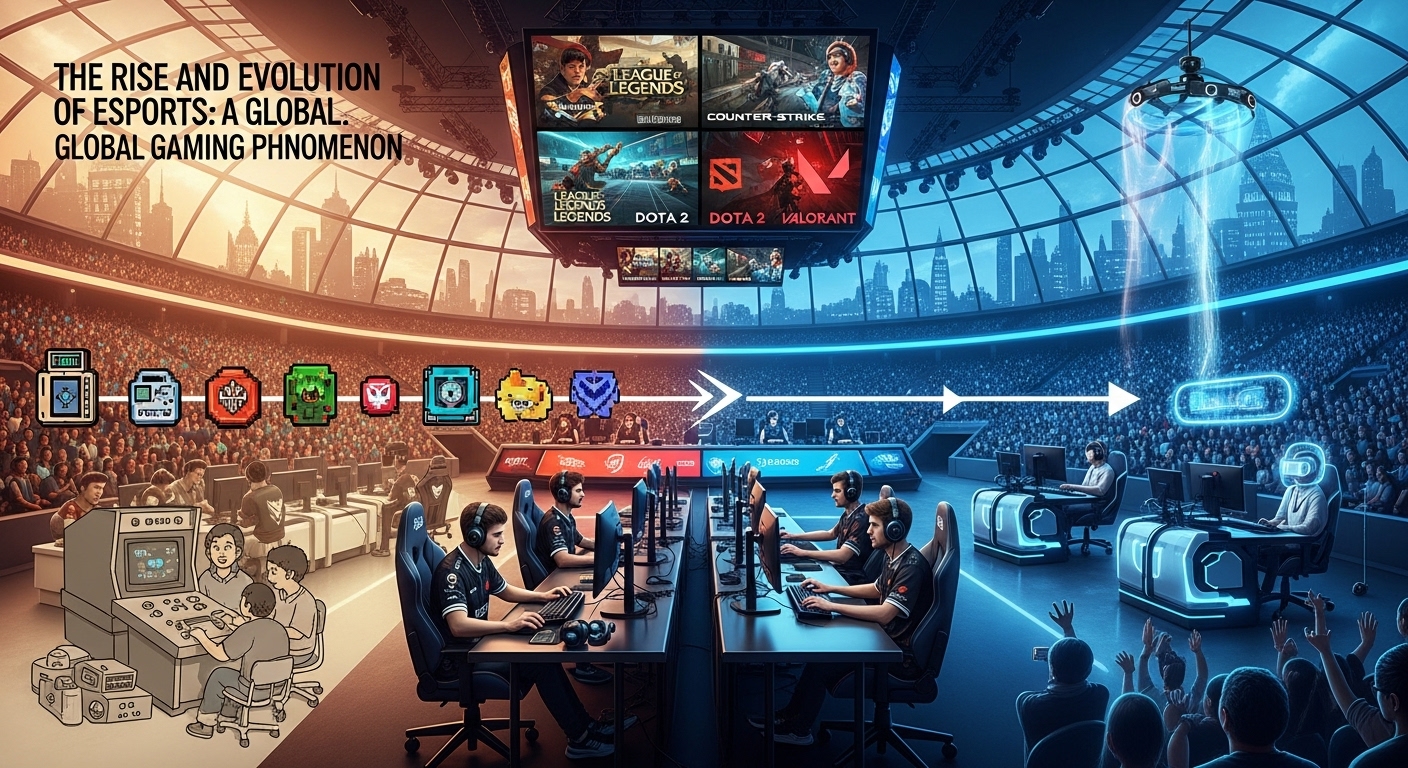
Esports, or electronic sports, refers to competitive video gaming at a professional level, where players compete in organized tournaments or leagues. The roots of esports can be traced back to the 1990s when online multiplayer games like Quake and StarCraft began to gain popularity. Early tournaments were often small, community-driven events, where gamers would gather in LAN (Local Area Network) centers to compete. These competitions were informal, but they marked the beginning of a movement that would eventually become a multi-billion dollar industry.
The early days of esports were mostly driven by passionate gaming communities, with very little commercial involvement. However, as internet speeds increased and multiplayer gaming became more accessible, the first professional leagues began to emerge. The formation of organizations like Major League Gaming (MLG) and the World Cyber Games helped to formalize competitive gaming, creating an infrastructure that would support the growth of esports in the coming years.
The Professionalization of Esports: Teams, Salaries, and Sponsorships
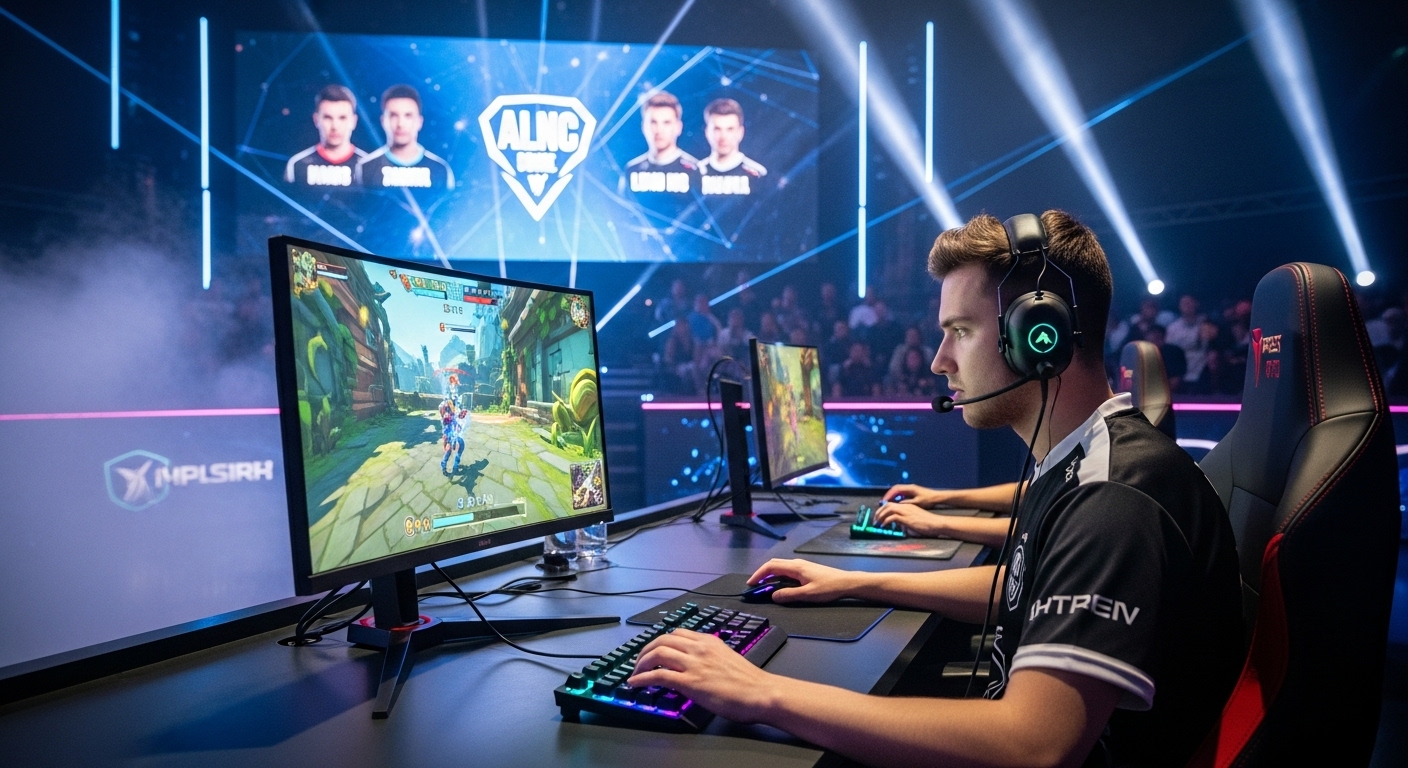
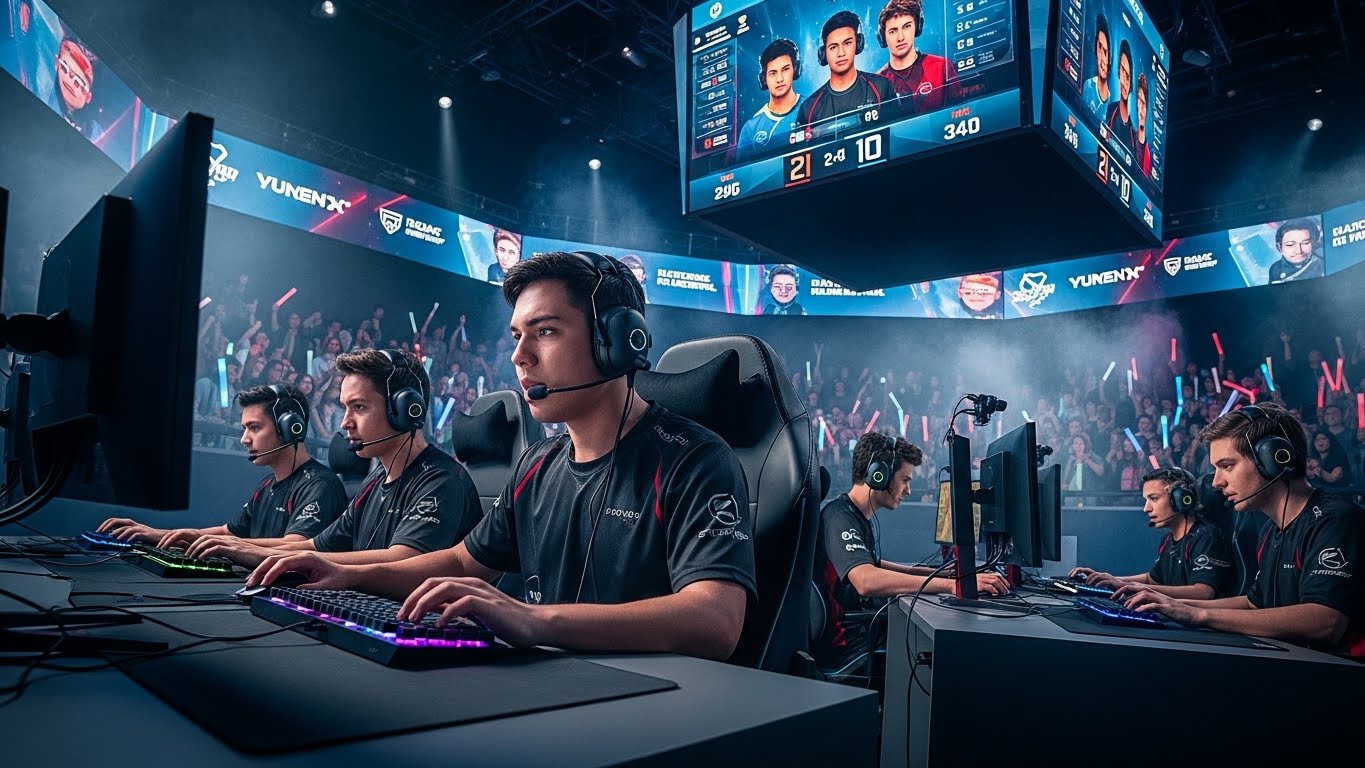
As esports evolved, it started to adopt the structure of traditional sports, with the formation of professional teams, dedicated coaches, and even analysts. Esports organizations now mirror the setup of professional sports teams, where players are contracted, trained, and supported by management. These players don’t just play; they have rigorous training schedules, often practicing for hours a day, studying tactics, and improving their in-game skills. Much like athletes in traditional sports, esports players are viewed as professionals.
The growth of esports has also seen the emergence of big-money sponsorship deals, adding a layer of commercial success to the scene. Companies from various sectors, including technology, energy drinks, and apparel, have invested heavily in esports. The rise of global brands like Intel, Coca-Cola, and Nike partnering with teams and tournaments has propelled esports into the spotlight. For players, sponsorships and tournament prize money have created the opportunity to earn lucrative salaries, often reaching into the hundreds of thousands or even millions of dollars for top-tier competitors.
This professionalization has further legitimized esports in the eyes of mainstream audiences, turning competitive gaming into a viable career for many young, talented players.
The Explosion of Esports Streaming: Making Gaming Global
One of the defining factors of esports’ meteoric rise has been the growth of live streaming platforms like Twitch, YouTube Gaming, and Facebook Gaming. These platforms have revolutionized how fans experience competitive gaming, allowing them to watch live matches, interact with players, and become part of the esports community. Streaming has brought esports into the homes of millions of viewers, providing fans with an easy and accessible way to watch their favorite players and teams compete on a global stage.
Twitch, in particular, has played a significant role in esports’ growth. The platform allows gamers to broadcast their gameplay to a live audience, often with the chance for fans to engage directly with the players through chat. It has provided a space for content creators, streamers, and professional players to build an audience and gain recognition. For fans, it’s more than just watching a game; it’s about participating in a live, interactive experience where they can cheer, support, and engage with their favorite personalities.
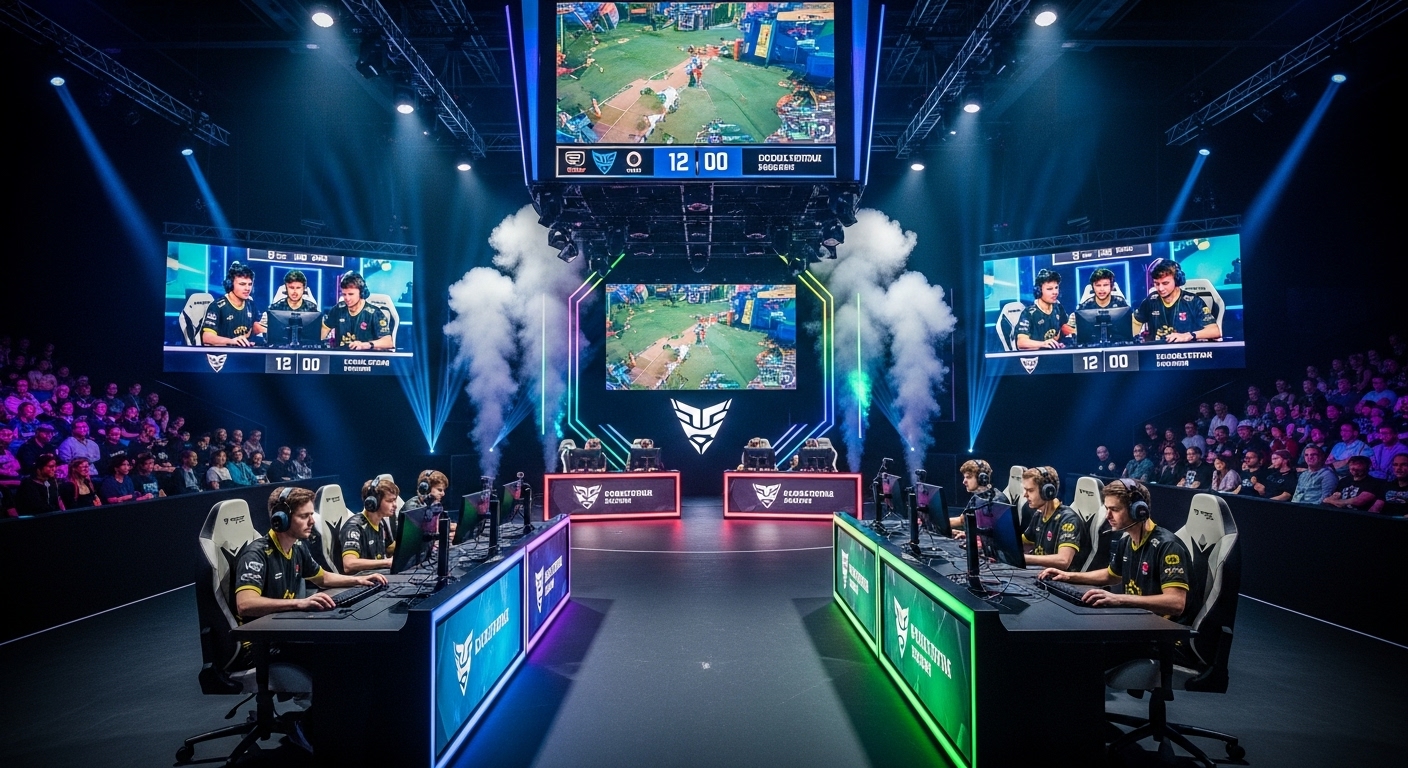
Moreover, live streaming has allowed esports tournaments to reach new heights. Major events like The International (for Dota 2) and League of Legends World Championship have broken records for viewership, attracting millions of concurrent viewers. These tournaments, often featuring prize pools in the tens of millions of dollars, have become a cultural spectacle, watched by fans from around the world.
The Economic Boom: Sponsorships, Merchandising, and Global Investments
Esports has rapidly become a multi-billion-dollar industry, driven by sponsorships, merchandise sales, advertising, and media rights. In 2023, the global esports market was valued at over $1 billion, with projections for continued growth in the coming years. Sponsorships remain a major driver of this revenue, as brands from all industries recognize the potential of connecting with esports’ largely young, tech-savvy audience.
Sponsorships are not limited to just the players; they also extend to entire tournaments, teams, and leagues. From gaming hardware manufacturers like Razer and Corsair to beverage giants like Red Bull and Mountain Dew, major companies are eager to attach their names to esports events and organizations. These sponsorships help fuel the growth of the industry, providing the funding necessary to support tournaments, maintain infrastructure, and continue to pay professional players.
Merchandising has also emerged as a key revenue stream. Fans can now purchase jerseys, apparel, and exclusive gear from their favorite teams and players. This has allowed esports organizations to monetize their fanbases and build stronger communities around their brands. The sale of digital goods, like in-game items or team-branded merchandise, has further bolstered the economic impact of esports.
Media rights have also played a critical role in driving revenue. Major esports events are now broadcast on traditional TV networks and streaming platforms alike. Partnerships with companies like ESPN, Fox Sports, and MBC (in Korea) have allowed esports events to reach a broader audience and further legitimize the industry in the eyes of traditional media.
Esports in Pop Culture: Mainstream Recognition and Integration
Esports has evolved from an underground subculture to a widely accepted form of entertainment. This shift is evident in how esports has integrated itself into mainstream pop culture. Celebrities, athletes, and even politicians have shown interest in the esports world. Public figures like Drake, Shaquille O’Neal, and Marshmello have been seen at esports events or invested in teams, helping to bring the scene further into the limelight.
The gaming culture is no longer isolated in online forums or gaming lounges; it is now celebrated in the mainstream media. Esports tournaments are now broadcast on major sports networks, and video game content is often featured in popular TV shows and movies. Furthermore, streaming platforms like Twitch have become a central hub for all things gaming, where viewers can watch not just esports events but also casual gameplay, eSports news, and in-depth discussions about games and gaming culture.
In some countries, esports is even being treated as a national pastime, with schools offering esports scholarships and programs. The rise of university esports leagues has given players a chance to pursue both academics and competitive gaming, legitimizing esports as a career path for the next generation.
The Future of Esports: Expansion, Innovation, and Global Dominance
Esports shows no signs of slowing down. The future is filled with opportunities for expansion, innovation, and even further mainstream integration. The continued development of mobile esports is one area poised for growth. With millions of mobile gamers worldwide, games like PUBG Mobile and Free Fire have become major esports titles, attracting players and fans from regions like Southeast Asia and South America.
Additionally, as technology evolves, so will esports. Virtual reality (VR) and augmented reality (AR) have the potential to reshape how esports is played and viewed. Imagine a future where tournaments take place in immersive VR worlds, where players compete in environments that feel more real than ever before. AI-powered gaming experiences could also revolutionize the competitive scene, introducing new challenges and strategies for players to master.
The global nature of esports means that it will continue to expand into new markets, particularly in regions like Africa and Eastern Europe, where access to high-speed internet is improving. As these regions grow in esports viewership and participation, the global esports community will continue to broaden.
Conclusion: The Unstoppable Growth of Esports
Esports has truly evolved into a global force that bridges gaming, entertainment, and professional competition. From humble beginnings in local LAN tournaments to packed arenas and multi-million-dollar prize pools, esports is now an integral part of the entertainment world. Its growth continues to be fueled by technology, passionate fanbases, and substantial investments from major brands and media outlets.
As the industry evolves, esports will continue to captivate a new generation of gamers, fans, and professionals. Whether you’re a player, a fan, or someone just discovering the magic of competitive gaming, one thing is clear: esports is not just a trend—it’s a global movement that’s here to stay.