






Introduction
eSports, or electronic sports, has transformed the world of gaming into a global competitive arena. What was once a casual pastime has evolved into a professional industry, attracting millions of players, fans, and sponsors worldwide. eSports combines skill, strategy, teamwork, and technology, creating experiences that rival traditional sports in excitement and intensity.
The Rise of eSports
The evolution of eSports began with small-scale gaming competitions in arcades and early computer games. With the rise of high-speed internet and online multiplayer platforms, gaming became a global phenomenon. Today, eSports features professional leagues, international tournaments, and well-established teams. This rapid growth demonstrates the increasing recognition of competitive gaming as both a legitimate career path and a major form of entertainment.
Popular eSports Games
A wide variety of games dominate the eSports scene. Multiplayer Online Battle Arenas (MOBAs) such as League of Legends and Dota 2 emphasize strategy, teamwork, and tactical planning. First-Person Shooters (FPS) like Counter-Strike and Call of Duty test reflexes, precision, and split-second decision-making. Battle royale games, sports simulations, and real-time strategy titles also have large competitive communities, offering players diverse challenges and experiences.
Professional Players and Teams
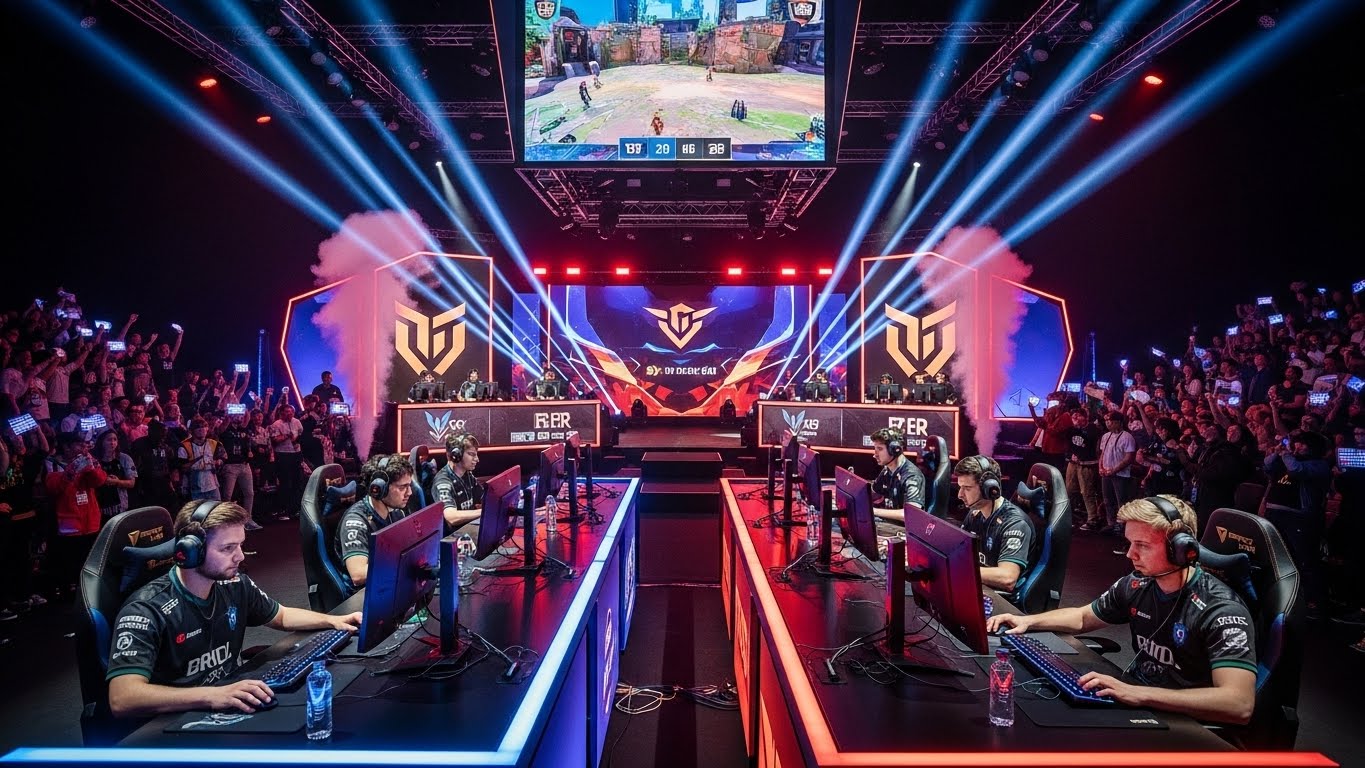
Professional eSports players train rigorously to hone their skills and improve teamwork. Teams operate like traditional sports organizations, with coaches, analysts, and support staff dedicated to strategy and performance. Players compete for prize money, sponsorships, and global recognition, turning their passion for gaming into a serious profession. Their commitment highlights the discipline, focus, and perseverance required to excel in competitive gaming.
Tournaments and Competitions
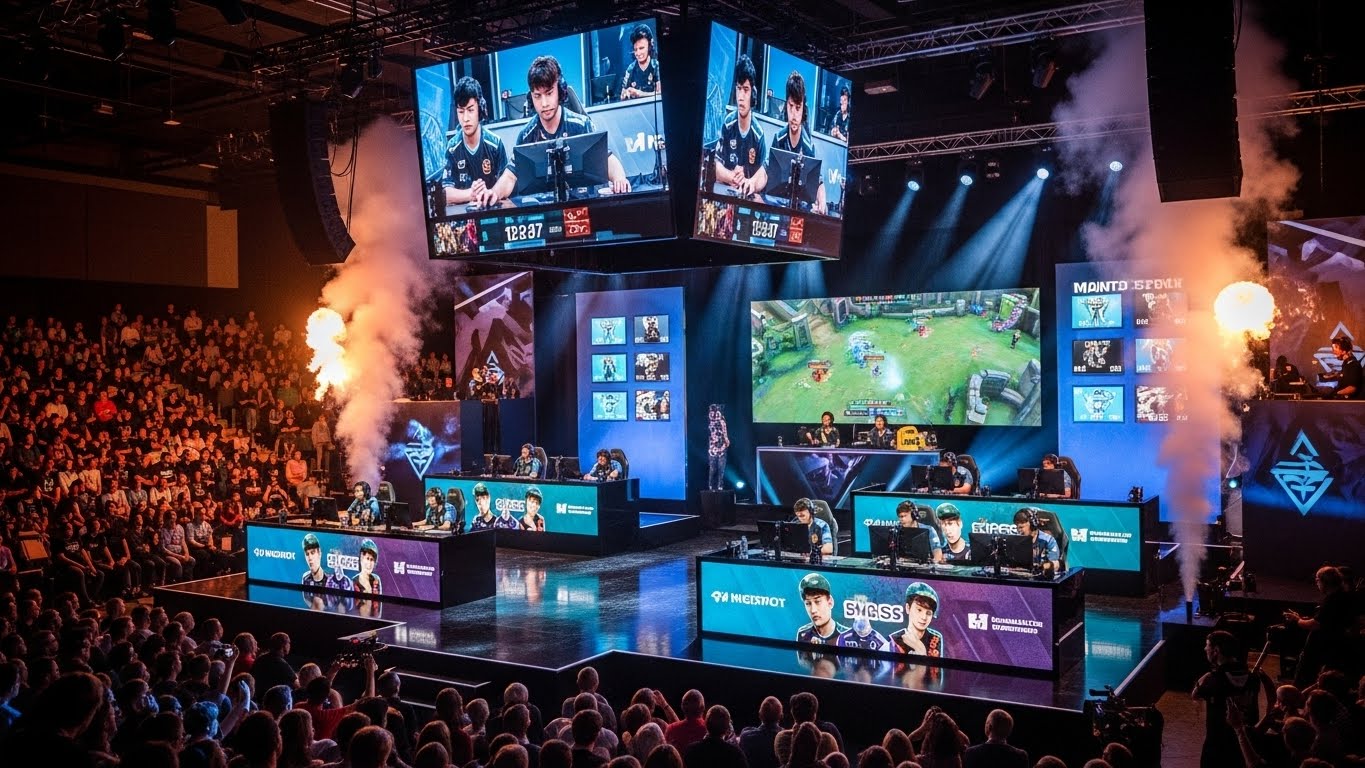
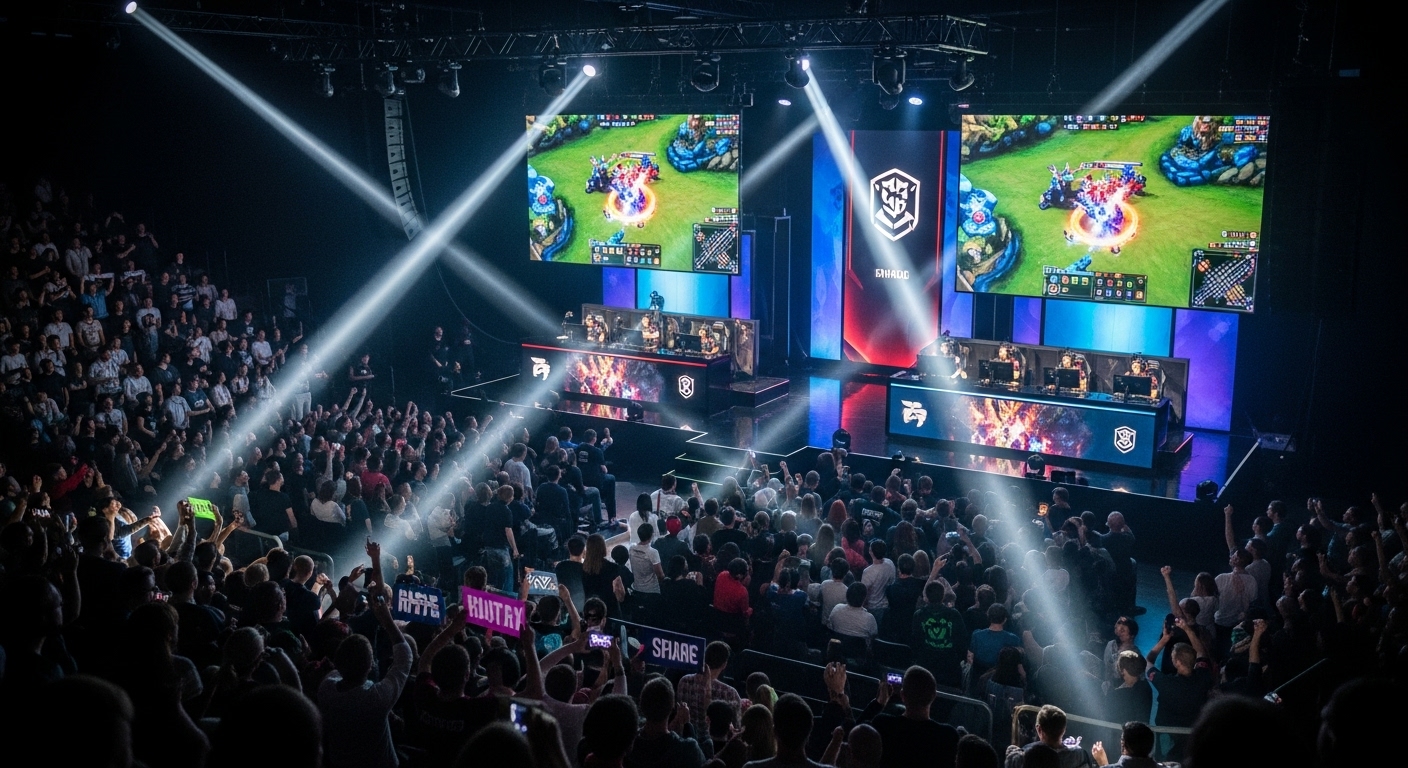
Tournaments are central to eSports culture. Events like The International, League of Legends World Championship, and Fortnite World Cup draw millions of viewers worldwide. These competitions showcase elite skills, strategic thinking, and teamwork. With live streaming and interactive features, fans can follow matches in real time, creating a sense of community and engagement comparable to traditional sports.
Technology Driving eSports
Technology plays a critical role in the growth and experience of eSports. High-performance computers, advanced graphics, and stable internet connections ensure smooth gameplay. Live streaming platforms allow audiences to watch matches from anywhere, while virtual reality and augmented reality are expanding the possibilities of immersive gaming experiences. Artificial intelligence and data analytics help teams improve strategies, making competition smarter and more dynamic.
Social and Cultural Impact
eSports has created a global community where players and fans connect, share experiences, and celebrate achievements. It has influenced pop culture, inspiring music, fashion, and media content. eSports also develops valuable skills, including teamwork, problem-solving, and communication. By bringing people together from diverse backgrounds, it promotes inclusivity and global interaction through a shared love of gaming.
The Future of eSports
The future of eSports is filled with opportunities for growth and innovation. Emerging technologies such as virtual reality, AI-driven gameplay, and cloud-based gaming will make competitions more immersive and accessible. Educational institutions and sponsors are increasingly recognizing eSports as a viable industry. With rising popularity and professionalization, eSports is set to become a mainstream form of entertainment and competition worldwide.
Conclusion
eSports has revolutionized the way people perceive gaming, transforming it into a professional and globally recognized competitive field. With elite players, major tournaments, and technological advancements, eSports offers excitement, community, and career opportunities. As the industry continues to expand, it will redefine competition, entertainment, and digital culture for generations to come.