





Introduction: The Rise of a Digital Arena
Esports, once dismissed as a niche hobby for passionate gamers, has evolved into a global phenomenon that rivals traditional sports in scale, influence, and cultural impact. Stadiums filled with cheering fans, professional athletes with rigorous training schedules, million-dollar tournaments, and international leagues are no longer exclusive to football or basketball. Competitive gaming has built its own arena, one powered by technology, creativity, and a generation raised in the digital age.
This blog explores the world of esports in depth, examining its origins, growth, ecosystem, economic power, cultural significance, and future potential. Esports is not just about playing games; it is about community, innovation, and the transformation of how competition is defined in the modern world.
Understanding Esports: More Than Just Gaming
Esports, short for electronic sports, refers to organized competitive video gaming where individuals or teams compete in structured tournaments. These competitions are governed by rules, formats, and rankings similar to traditional sports leagues. What separates esports from casual gaming is the level of professionalism, skill, and strategic depth involved.
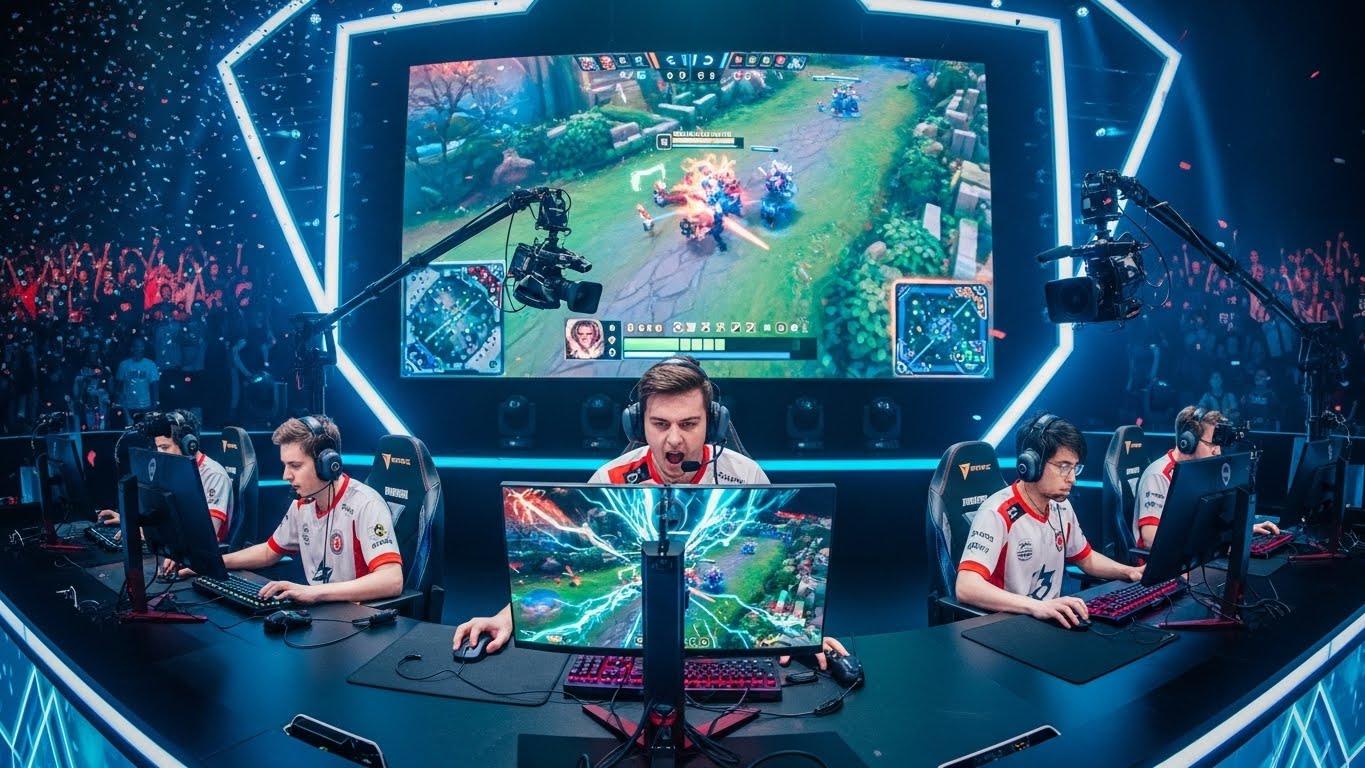
Professional esports players train for hours daily, analyzing gameplay footage, refining strategies, and maintaining physical and mental health. Matches are broadcast to live audiences both online and in physical venues, complete with commentators, analysts, and production crews. Esports titles often fall into categories such as multiplayer online battle arenas, first-person shooters, real-time strategy games, and sports simulations, each requiring unique skills and teamwork.
The Origins and Evolution of Esports
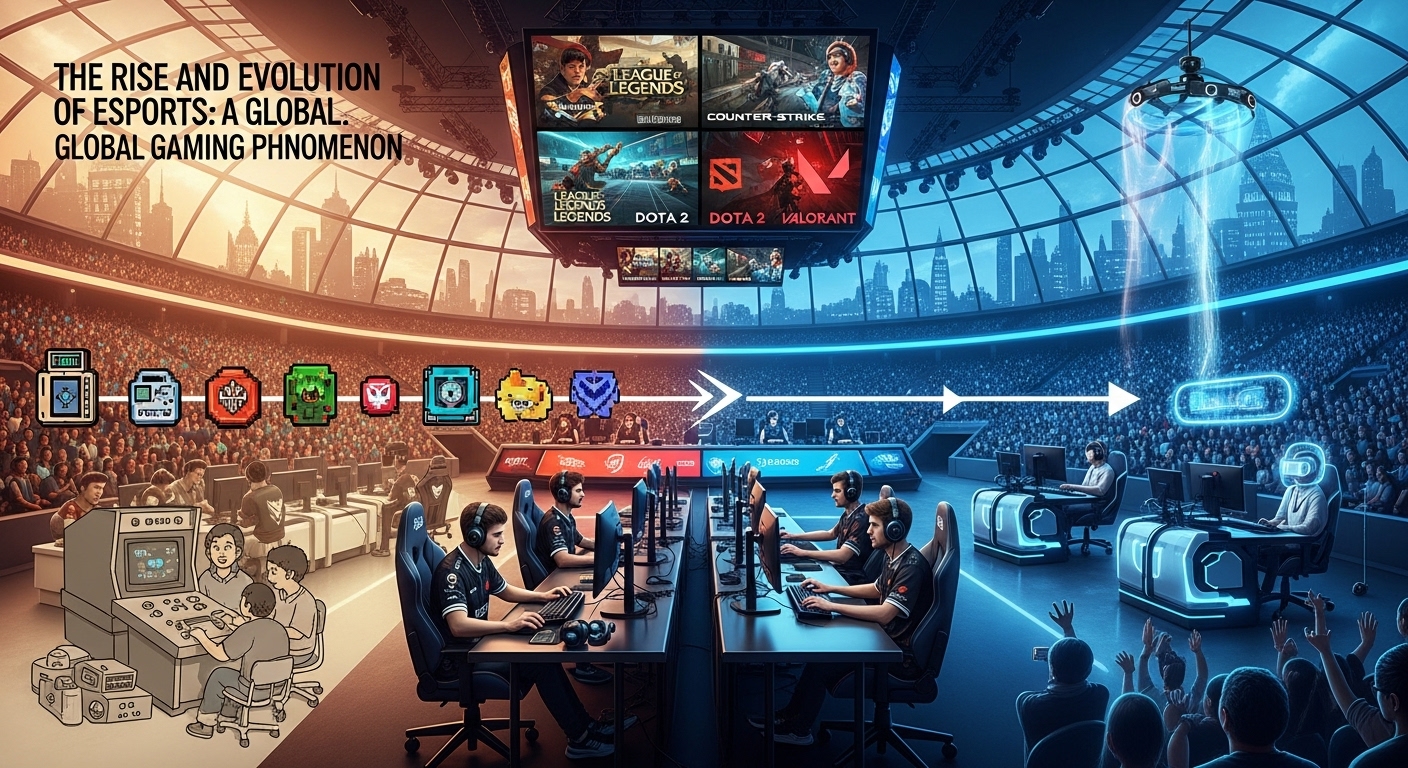
The roots of esports can be traced back to the early days of video gaming when players competed for high scores in arcades. As home consoles and personal computers became widespread, informal competitions evolved into organized events. The growth of the internet played a crucial role, allowing players from different regions to compete and connect.
Over time, competitive gaming gained structure through leagues, sponsorships, and dedicated organizations. Streaming platforms further accelerated growth by enabling fans to watch live matches and follow their favorite players. What started as small-scale competitions gradually transformed into a global industry with professional teams, international tournaments, and massive fan engagement.
Esports Titles and Competitive Diversity
One of the defining strengths of esports is its diversity of games. Unlike traditional sports, which change little over decades, esports constantly evolves as new games emerge and older ones fade. Each title offers a distinct competitive experience.
Team-based strategy games emphasize coordination, communication, and long-term planning. Shooter games focus on reflexes, accuracy, and situational awareness. Strategy-based games reward intelligence, adaptability, and psychological resilience. This variety allows players and fans to engage with esports in ways that suit their interests, ensuring the ecosystem remains dynamic and innovative.
The Professional Esports Ecosystem
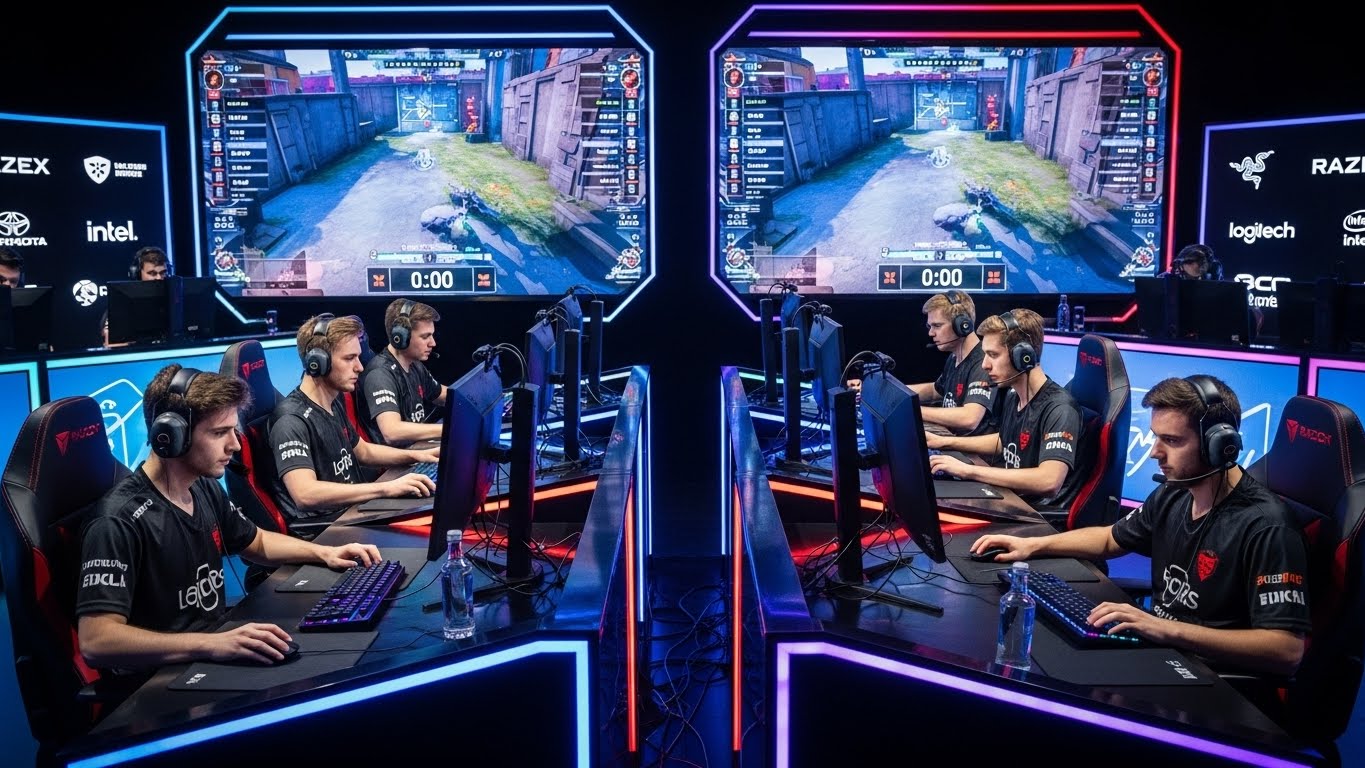
Esports operates within a complex ecosystem that extends far beyond players. Professional teams are supported by coaches, analysts, managers, and support staff. Tournament organizers design events, manage logistics, and ensure competitive integrity. Broadcasters and production teams deliver high-quality viewing experiences, while sponsors and advertisers fund growth and innovation.
Game developers play a unique role in esports by maintaining competitive balance, introducing updates, and supporting professional scenes. Unlike traditional sports, where rules are fixed, esports titles can change frequently, requiring players to adapt continuously. This close relationship between developers and competitors adds a distinctive dimension to esports professionalism.
Training, Discipline, and the Esports Athlete
Contrary to stereotypes, esports athletes require discipline, focus, and resilience. Training involves mechanical skill development, strategic study, teamwork practice, and mental conditioning. Reaction time, decision-making speed, and hand-eye coordination are critical, but so are communication skills and emotional control.
Physical health is increasingly recognized as important in esports. Professional players often follow fitness routines to improve stamina and reduce injury risk. Mental health support is also gaining attention as players face pressure from competition, public scrutiny, and demanding schedules. This growing emphasis on holistic well-being reflects the maturation of esports as a legitimate profession.
Esports as a Spectator Experience
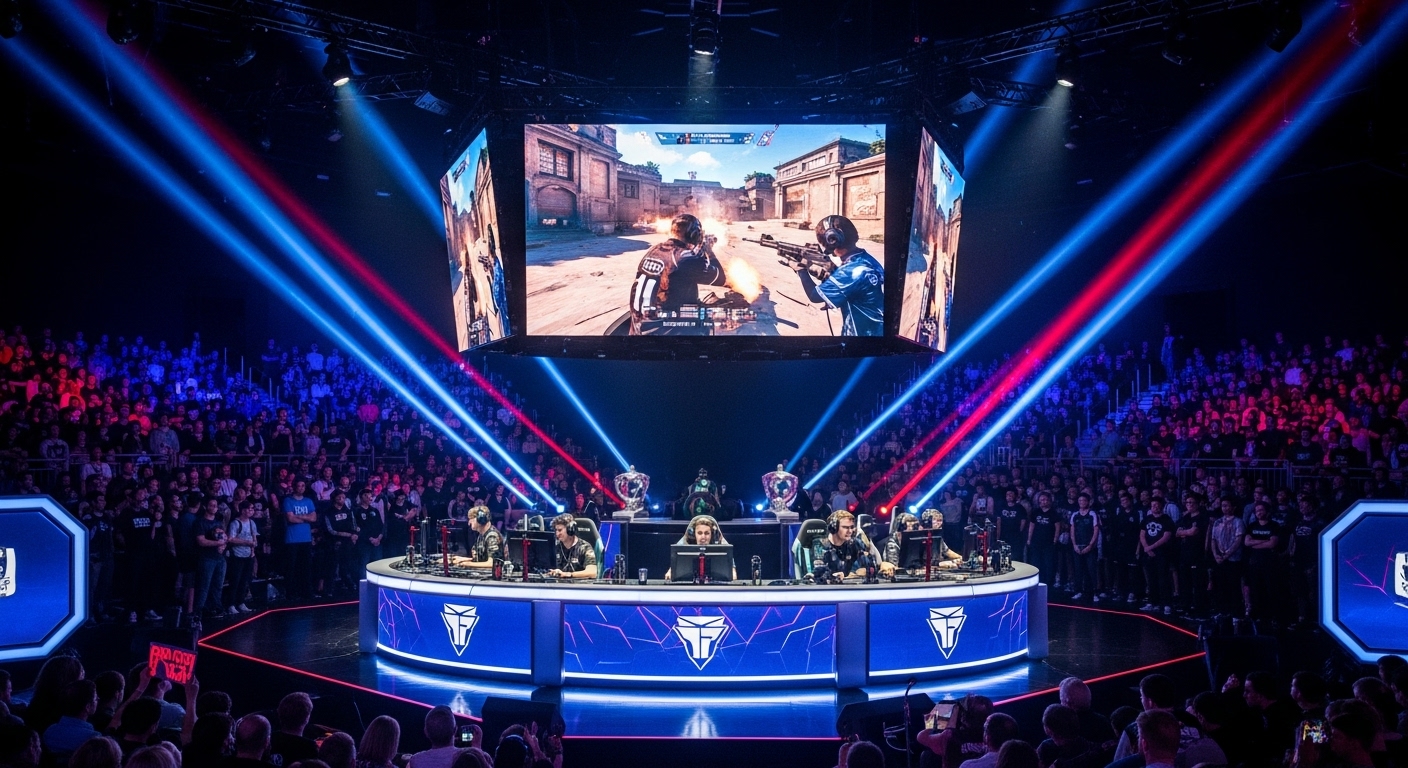
Watching esports has become a form of entertainment enjoyed by millions worldwide. Live events create an electric atmosphere, blending the excitement of sports with the spectacle of digital performance. Online broadcasts allow fans to interact through live chats, social media, and community discussions, creating a sense of shared experience.
Commentators and analysts play a vital role in making esports accessible to viewers. They explain strategies, highlight key moments, and provide insights that enhance understanding. This storytelling aspect transforms matches into narratives of rivalry, redemption, and triumph, drawing fans deeper into the competitive scene.
Economic Impact and Career Opportunities
Esports has grown into a significant economic force. Revenue streams include sponsorships, advertising, media rights, merchandise, and ticket sales. Prize pools for major tournaments can reach staggering amounts, attracting talent from around the world.
Beyond professional players, esports offers diverse career paths. Opportunities exist in coaching, event management, content creation, marketing, journalism, game development, and broadcasting. Educational institutions are beginning to recognize esports by offering scholarships and academic programs related to the industry. This expansion highlights esports as a viable and sustainable career field.
Cultural Influence and Global Community
Esports transcends geographical boundaries, connecting players and fans from different cultures and backgrounds. International tournaments foster global interaction, while online communities create spaces for collaboration and creativity. This inclusivity has helped esports grow rapidly among younger generations who value digital connection and shared experiences.
Esports also influences popular culture through fashion, music, and media. Players become influencers, teams develop strong brand identities, and gaming terminology enters everyday language. This cultural integration demonstrates how esports reflects broader shifts in entertainment and communication.
Challenges Facing the Esports Industry
Despite its success, esports faces challenges that must be addressed for long-term sustainability. Issues such as player burnout, competitive integrity, and fair treatment require ongoing attention. The rapid pace of growth can strain infrastructure and governance, leading to inconsistencies across regions and leagues.
Another challenge lies in maintaining accessibility while increasing professionalism. Balancing grassroots participation with elite competition is essential to keep esports inclusive and innovative. Addressing these challenges will determine how effectively esports can mature as an industry.
The Future of Esports
The future of esports is filled with potential. Advances in technology such as virtual reality, augmented reality, and artificial intelligence may reshape how games are played and watched. Increased recognition from mainstream media and traditional sports organizations suggests greater integration and collaboration ahead.
As esports continues to evolve, its influence on education, entertainment, and global culture will likely expand. What remains constant is the core appeal of competition, creativity, and community that defines esports at its heart.
Conclusion: A New Definition of Sport
Esports has redefined what it means to compete, proving that athleticism is not limited to physical arenas. It combines skill, strategy, technology, and passion to create a modern form of sport that resonates with a digital generation. From its humble beginnings to its current global stature, esports represents innovation in action.
As the industry continues to grow, esports will not only entertain but also inspire new ways of thinking about competition, collaboration, and opportunity. Beyond the screen lies a world where dedication and talent find new expression, and where the future of sport is being written one match at a time.