





Introduction
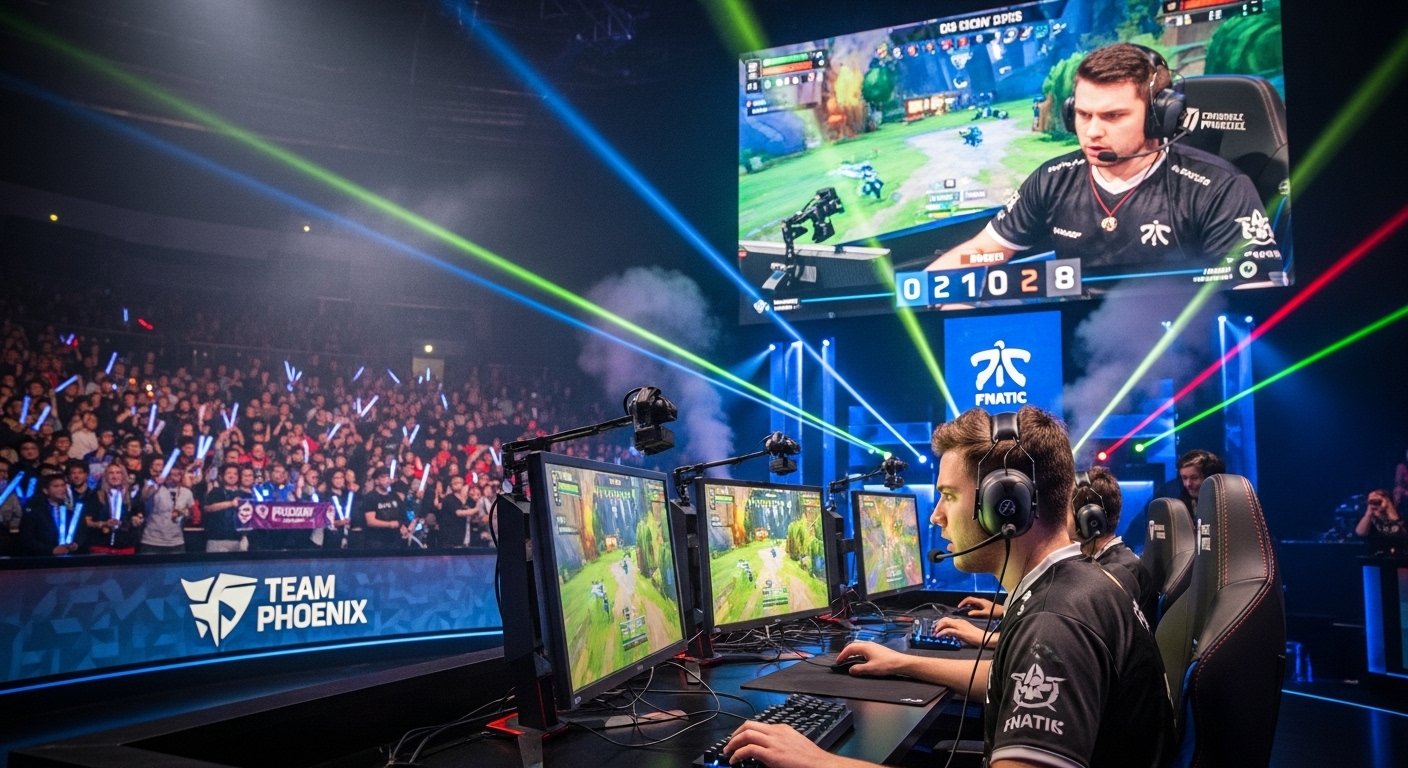
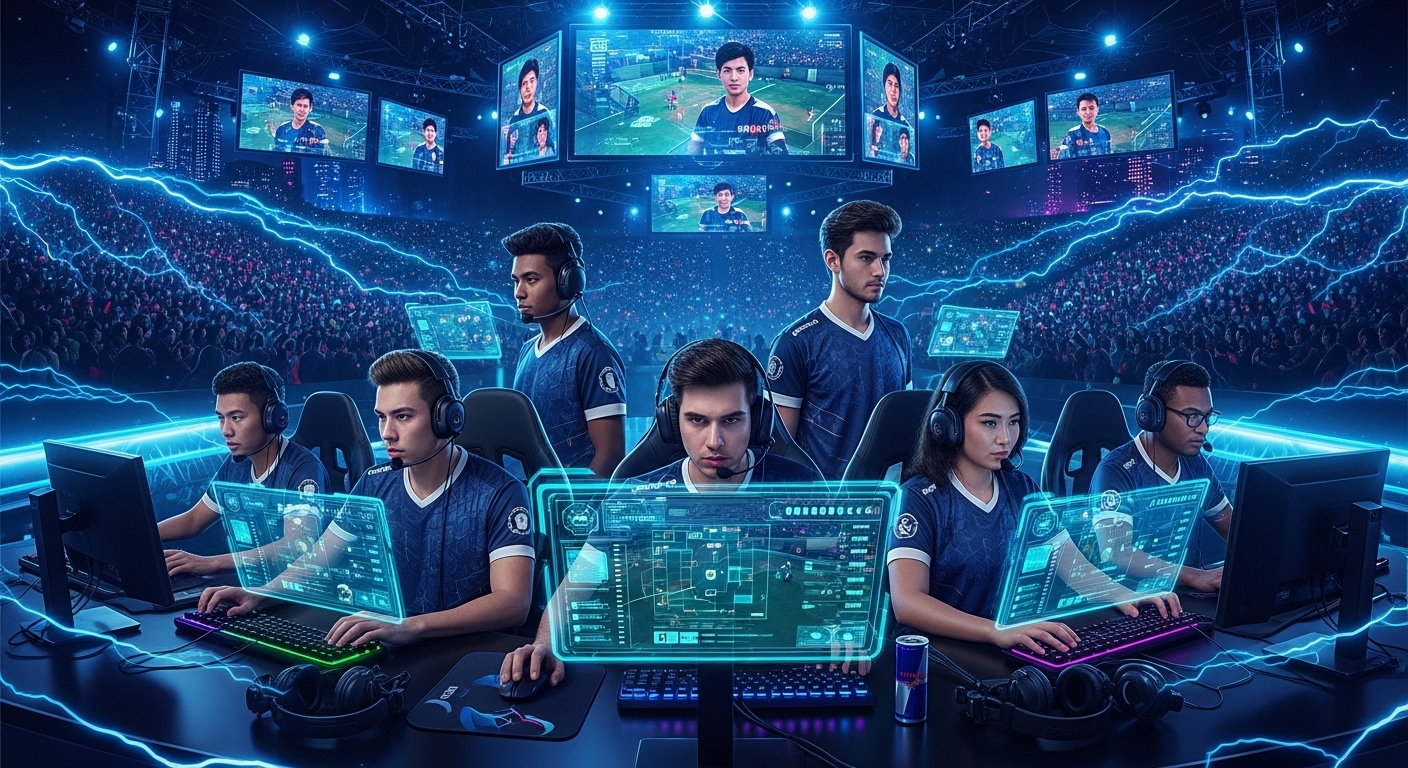
Esports, or electronic sports, have become one of the most influential entertainment industries in the modern world. Once considered a casual hobby or a pastime for gamers, it has evolved into a billion-dollar industry that rivals traditional sports in viewership, sponsorships, and fan engagement. The transformation of gaming from living room consoles to professional global tournaments is one of the most remarkable shifts in the 21st century. Esports represent the perfect fusion of technology, competition, and creativity. In this blog, we will explore the history, growth, culture, economy, and future of esports, showing how digital competition became a global phenomenon.
The Origins of Esports
The concept of competitive gaming began long before high-speed internet and modern gaming consoles. The first recorded video game competition took place in 1972 at Stanford University, where players competed in the game Spacewar. The prize was a year’s subscription to a magazine, yet it marked the birth of organized digital competition. By the 1980s, arcade games such as Pac-Man and Donkey Kong brought gamers together in public spaces, where leaderboards became early symbols of dominance. Players began striving for high scores and recognition, laying the foundation for modern esports tournaments.
The 1990s saw the rise of home consoles and personal computers, which expanded gaming accessibility. Titles like Street Fighter II, Quake, and StarCraft introduced competitive multiplayer modes, allowing players to battle one another both locally and online. StarCraft in particular played a huge role in establishing esports as a profession, especially in South Korea. Internet cafes became arenas where young players practiced for hours, and local tournaments drew passionate spectators.
The Rise of Professional Gaming
In the early 2000s, esports began to organize itself into a structured industry. Professional teams, sponsorships, and broadcasted events began to appear. Games like Counter-Strike, Dota, and Warcraft III started forming professional circuits. Players began to receive salaries, and gaming became a full-time job for the most talented individuals. The introduction of high-speed internet was a turning point, as it allowed for seamless multiplayer experiences and live streaming of matches.
South Korea became the first country to fully embrace esports as a cultural and economic force. Television networks broadcasted matches, and professional gamers became celebrities. The Korean eSports Association was established to manage leagues and support players, proving that gaming could be more than a hobby. The West soon followed, with tournaments held in Europe and North America gaining large audiences.
The Expansion of Esports Across the Globe
By the 2010s, esports exploded into global popularity. Titles such as League of Legends, Dota 2, Counter-Strike: Global Offensive, and Overwatch attracted millions of players and spectators. Game developers began designing competitive ecosystems with ranked modes, spectator tools, and large-scale tournaments. Esports moved from small convention halls to stadiums filled with tens of thousands of cheering fans.
Streaming platforms like Twitch and YouTube Gaming revolutionized the way audiences consumed esports. Fans could now watch their favorite players live from anywhere in the world, interact with them through chat, and follow tournaments in real time. This accessibility created global communities, where fans from different continents united under the banner of gaming.
Major tournaments such as The International for Dota 2 and the League of Legends World Championship offered prize pools in the tens of millions of dollars. Sponsors from outside the gaming world, including automobile, food, and technology companies, entered the scene, realizing the marketing potential of this new digital sport.
Esports as a Career
The idea of becoming a professional gamer was once considered unrealistic, but today, esports offers multiple career paths. Professional players earn income through salaries, tournament winnings, sponsorships, and streaming revenue. Teams are managed like traditional sports organizations, complete with coaches, analysts, and nutritionists.
However, not all careers in esports involve playing. The industry also employs commentators, event organizers, social media managers, content creators, game developers, and marketing professionals. Esports journalism has also become an important field, providing coverage, analysis, and updates to millions of fans.
Education has also embraced esports. Universities in various countries now offer scholarships and degrees in esports management, broadcasting, and game design. Students can pursue professional gaming while earning an education that prepares them for long-term success in the industry.
The Business and Economy of Esports
The financial structure of esports is complex and constantly evolving. Revenue streams include sponsorships, advertising, media rights, ticket sales, and in-game purchases. Major corporations invest heavily in esports because of its young, tech-savvy audience. Brands that once focused on traditional sports now sponsor teams, players, and tournaments.
Esports organizations operate similarly to football or basketball teams. They recruit talent, manage training facilities, and build fan bases. The rise of franchised leagues, such as the Overwatch League and League of Legends Championship Series, introduced a stable structure where teams represent specific cities and compete in regular seasons.
The economic potential of esports has attracted investors, celebrities, and even traditional sports clubs. Football teams like Paris Saint-Germain and Manchester City have established esports divisions. Musicians and actors invest in teams, bringing mainstream attention and cross-industry collaboration. The result is a global ecosystem where digital entertainment, sports, and business converge.
Esports Culture and Community
Beyond competition, esports has fostered a powerful community culture. Fans form connections through shared interests, supporting teams and players as passionately as traditional sports supporters. Online forums, social media, and streaming chats allow for direct interaction between players and fans, making the community feel intimate despite its massive scale.
Cosplay, fan art, and memes play a major role in esports culture. Events like gaming conventions and tournaments are not just competitions but celebrations of creativity and technology. Fans dress as their favorite characters, meet professional players, and engage in discussions about game strategies and updates.
The community aspect of esports has also extended to charity events and social causes. Many tournaments raise funds for humanitarian efforts, while streamers often use their influence to support global issues. This connection between entertainment and social responsibility gives esports a unique cultural depth.
Challenges in the Esports Industry
Despite its success, esports faces several challenges. Player burnout is one of the most discussed issues. Professional gamers train for long hours daily, often sacrificing sleep, physical health, and social lives. The competitive nature of the industry means careers are short, with many players retiring in their mid-twenties.
Another major issue is regulation. Unlike traditional sports, esports lacks a unified global governing body. Rules, tournament standards, and player contracts can vary widely. This can lead to disputes, exploitation, or instability. The industry is still maturing, and as it grows, stronger governance will be essential to protect players and maintain fairness.
Toxicity and online harassment also pose threats to the esports community. Developers and organizations continue to combat these problems through moderation systems, reporting tools, and community guidelines. Ensuring a safe and inclusive environment is critical for the long-term sustainability of the industry.
The Role of Technology in Esports
Esports would not exist without technology. Every advancement in computing, graphics, and internet speed contributes to the growth of digital competition. High-performance hardware enables faster gameplay, while software innovation improves game balance, anti-cheat systems, and spectator experiences.
The introduction of virtual reality and augmented reality opens new possibilities for immersive gaming experiences. Cloud gaming allows players to compete without expensive equipment, further democratizing access to esports. Artificial intelligence is being used to analyze player performance, predict outcomes, and even assist in training.
Streaming platforms continue to evolve, offering higher quality, interactive features, and global reach. This constant technological evolution ensures that esports remains at the forefront of digital entertainment.
Esports and Traditional Sports
The relationship between esports and traditional sports is both competitive and collaborative. While some critics argue that esports cannot match the physical demands of traditional sports, others recognize its mental and strategic complexity. Professional gaming requires reflexes, coordination, decision-making, and teamwork—skills comparable to those in any physical sport.
Traditional sports organizations are increasingly involved in esports. The NBA, for example, launched the NBA 2K League, where players compete in a digital version of basketball. Motorsport events like Formula 1 Esports replicate real-world racing with incredible accuracy. These collaborations bridge the gap between digital and physical competition, attracting diverse audiences.
Moreover, esports have inspired traditional sports to enhance their online engagement. Teams now use streaming platforms, social media, and digital content to connect with fans in ways that mimic esports strategies. The exchange of ideas between these two worlds continues to shape the future of global entertainment.
The Impact of Esports on Society
Esports have changed how people view gaming, technology, and even careers. Once dismissed as a hobby for teenagers, gaming is now recognized as a legitimate profession and art form. Esports promote teamwork, communication, and strategic thinking—skills valuable beyond the virtual world.
The inclusivity of esports is another powerful aspect. Players from all backgrounds, genders, and regions can compete on equal footing. Accessibility has made gaming one of the most diverse and globalized forms of entertainment.
Esports also provide opportunities for countries to showcase technological innovation. Governments are beginning to recognize its economic potential, supporting esports initiatives, infrastructure, and education. This recognition helps shape national identities in the digital era.
The Future of Esports
The future of esports looks brighter than ever. As technology continues to advance, so too will the quality and reach of competitive gaming. Virtual reality tournaments, AI-driven coaching, and cross-platform play will redefine how players and fans experience esports.
Mobile esports is rapidly growing, particularly in developing regions. Games like PUBG Mobile and Mobile Legends have proven that competitive gaming doesn’t require expensive equipment. This trend will continue to expand the global audience, making esports even more inclusive.
The integration of esports into mainstream culture will deepen, with more partnerships, media coverage, and educational opportunities. The line between physical and digital sports will continue to blur, creating a unified vision of competition that transcends boundaries.
Conclusion
Esports have evolved from simple pixel-based challenges to massive international spectacles. They represent more than just gaming—they are a reflection of our digital age, where technology, entertainment, and human ambition converge. The passion, skill, and creativity found in esports showcase the limitless potential of the human mind when combined with technology.
From humble beginnings in university basements to sold-out stadiums and millions of online viewers, esports have truly redefined what it means to be an athlete, a fan, and a global citizen. The story of esports is not just about games; it is about innovation, community, and the endless drive to compete and connect in a digital world.
As we look to the future, one thing is clear—esports are not a passing trend. They are the future of entertainment, a cultural revolution that continues to unite people across continents and generations. The digital arena has become the new field of dreams, where skill meets strategy, and where the world watches as players turn pixels into legends.