





Introduction: The New Era of Competitive Gaming
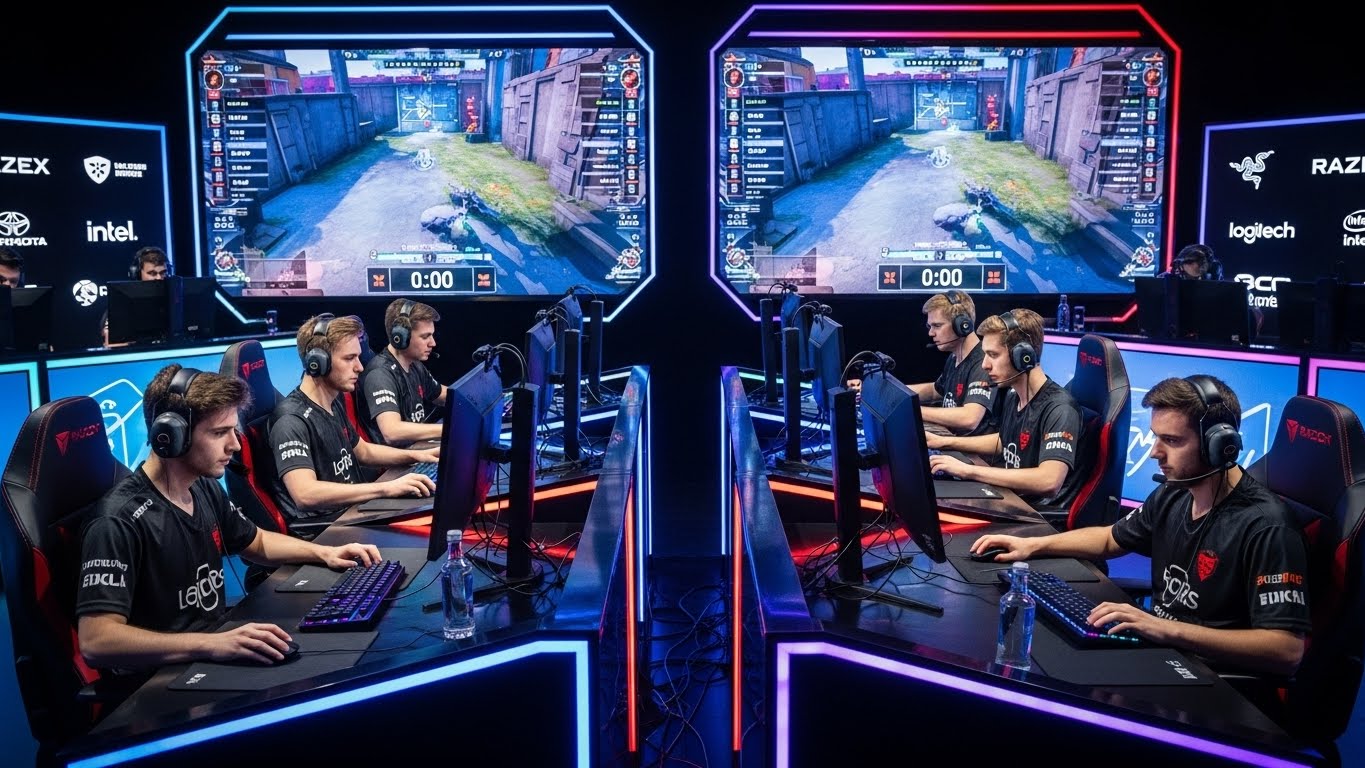
In the last two decades, the gaming industry has evolved from a niche hobby into a global phenomenon. Esports, short for “electronic sports,” represents this evolution at its finest. What began as small, local competitions among arcade enthusiasts has grown into massive international tournaments with millions of dollars at stake and global audiences rivaling traditional sports events. Esports is not just a trend; it is a revolution in entertainment, culture, and technology.
This new world of competitive gaming has transformed the way people perceive video games. No longer are games simply recreational pastimes — they are now legitimate platforms for skill, strategy, and teamwork. The rise of esports has given birth to new professions, communities, and even entire industries built around gaming as a spectator sport.
The Origins of Esports
The roots of esports can be traced back to the early 1970s, when video games first emerged as an exciting new form of digital entertainment. The first known video game competition took place at Stanford University in 1972, featuring the game Spacewar!. The prize? A year’s subscription to Rolling Stone magazine. It may seem modest compared to today’s multi-million-dollar tournaments, but it was a pivotal moment in gaming history.
The 1980s saw arcade gaming explode in popularity. Titles like Pac-Man, Donkey Kong, and Space Invaders captured imaginations worldwide. In 1980, Atari hosted the Space Invaders Championship, drawing more than 10,000 participants across the United States. This event is widely regarded as the first large-scale esports competition and set the stage for what was to come.
As home consoles like the Nintendo Entertainment System and Sega Genesis gained traction in the 1980s and 1990s, friendly gaming competitions became more common. Yet, it was the advent of the internet in the late 1990s that transformed esports from local events into global contests. Games like StarCraft, Quake, and Counter-Strike allowed players from different parts of the world to compete in real-time. The foundation for modern esports was firmly laid.
The 2000s: The Birth of Modern Esports
The 2000s marked a turning point. With the internet becoming faster and more accessible, online gaming became a shared experience rather than a solitary one. South Korea emerged as a major hub of esports during this time. The country’s investment in broadband infrastructure and its cultural acceptance of gaming created the perfect environment for competitive gaming to flourish.
Television networks in South Korea began broadcasting StarCraft tournaments, making professional gamers national celebrities. Players like Lim “BoxeR” Yo-hwan became household names, inspiring a generation of future esports professionals. Meanwhile, international tournaments such as the World Cyber Games (WCG) and Electronic Sports World Cup (ESWC) began to emerge, uniting players from around the globe.
The West also saw the rise of competitive gaming communities around titles like Counter-Strike 1.6, Warcraft III, and Halo. LAN (Local Area Network) events became popular social gatherings where players showcased their skills and teamwork. Organizations like Major League Gaming (MLG) in the United States began to professionalize esports, introducing structured leagues, sponsorships, and cash prizes.
The 2010s: The Explosion of Esports Popularity
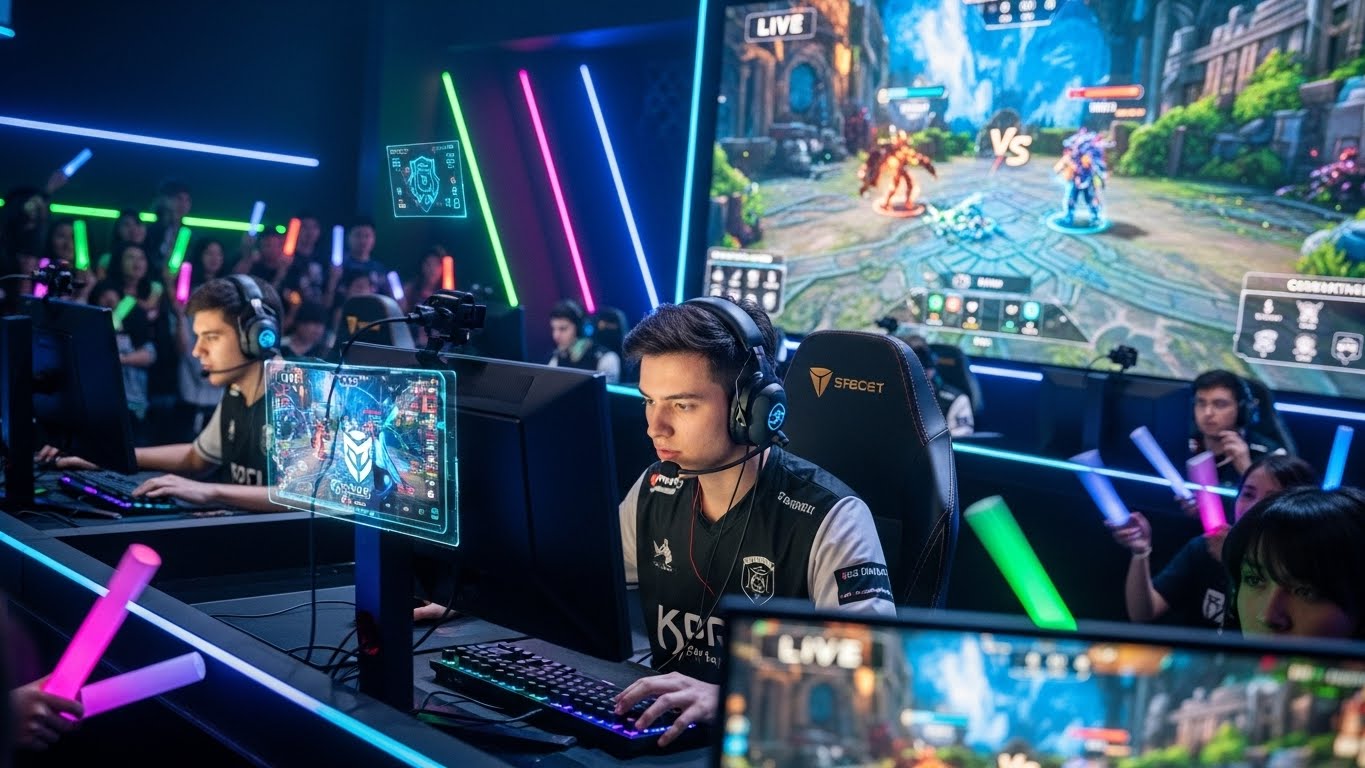
If the 2000s were the foundation, the 2010s were the explosion. This was the decade when esports went mainstream. Streaming platforms such as Twitch, launched in 2011, changed everything. For the first time, millions could watch live gaming events and follow their favorite players from anywhere in the world. The accessibility and interactivity of these platforms made esports more engaging than traditional sports broadcasts.
Games like League of Legends, Dota 2, and Counter-Strike: Global Offensive became household names. League of Legends’s annual World Championship began attracting millions of viewers, while Dota 2’s The International set new records for prize pools, reaching tens of millions of dollars through community-funded contributions.
Professional organizations, including Team Liquid, Fnatic, and Cloud9, emerged as esports powerhouses, managing players, coaches, and analysts much like traditional sports teams. Sponsorships from major companies like Coca-Cola, Intel, and Red Bull poured into the scene, signaling corporate recognition of esports’ massive market potential.
By the late 2010s, esports arenas were being built worldwide, and universities began offering scholarships to talented players. Governments, too, started recognizing esports as legitimate sports, with some even issuing visas to professional gamers.
The Technology Behind Esports
Behind every major esports event lies cutting-edge technology. High-speed internet, powerful gaming hardware, and advanced streaming platforms make modern esports possible. The shift from physical to digital has allowed for scalability beyond what traditional sports can achieve.
Cloud gaming and low-latency streaming technologies have enabled smoother gameplay and viewing experiences. Artificial intelligence (AI) and machine learning are also being used to analyze player performance and enhance broadcasting quality. In addition, virtual reality (VR) and augmented reality (AR) are beginning to influence how fans interact with esports, promising immersive future experiences.
The growth of mobile gaming has also contributed to the esports boom. Titles like PUBG Mobile, Mobile Legends, and Free Fire have brought competitive gaming to regions where PCs and consoles are less accessible. This democratization of esports has expanded the global player base dramatically.
Esports as a Career
Once dismissed as a hobby, esports has now become a legitimate career path. Professional players can earn substantial incomes from tournament winnings, sponsorships, streaming, and brand deals. Some of the top esports players today make millions of dollars annually, rivaling athletes in traditional sports.
Beyond players, the esports ecosystem supports numerous other roles. Coaches, analysts, commentators, event organizers, marketers, and content creators all play vital parts in the industry. Esports organizations operate similarly to sports franchises, complete with management teams and support staff.
Education has also entered the picture. Many universities now offer esports programs focusing on game design, business management, and digital marketing within the gaming industry. These courses prepare students for careers in this rapidly expanding field.
The Cultural Impact of Esports
Esports has reshaped global culture in profound ways. It has bridged gaps between generations and geographies, uniting people under the shared language of gaming. Esports events often bring together players and fans from across the globe, transcending national and linguistic boundaries.
Moreover, esports has influenced fashion, music, and social media. Athletes from traditional sports, such as basketball players and football stars, have invested in or collaborated with esports teams. Musicians have performed at esports tournaments, blending entertainment with competitive gaming in a way that appeals to younger audiences.
The rise of gaming influencers and streamers has also blurred the lines between athlete, entertainer, and celebrity. Platforms like YouTube and Twitch have created new forms of media consumption centered around personality-driven content.
The Global Reach of Esports
Esports has become a truly global industry. Asia leads the way, with countries like South Korea, China, and Japan dominating both participation and viewership. China’s massive gaming population and infrastructure have made it a powerhouse, hosting mega-events and producing world-class teams.
In North America and Europe, esports continues to grow steadily. Franchised leagues like the Overwatch League and Call of Duty League have introduced a more structured approach, modeled after traditional sports leagues. Meanwhile, Latin America, Africa, and the Middle East are emerging as new frontiers, fueled by improved internet access and mobile gaming.
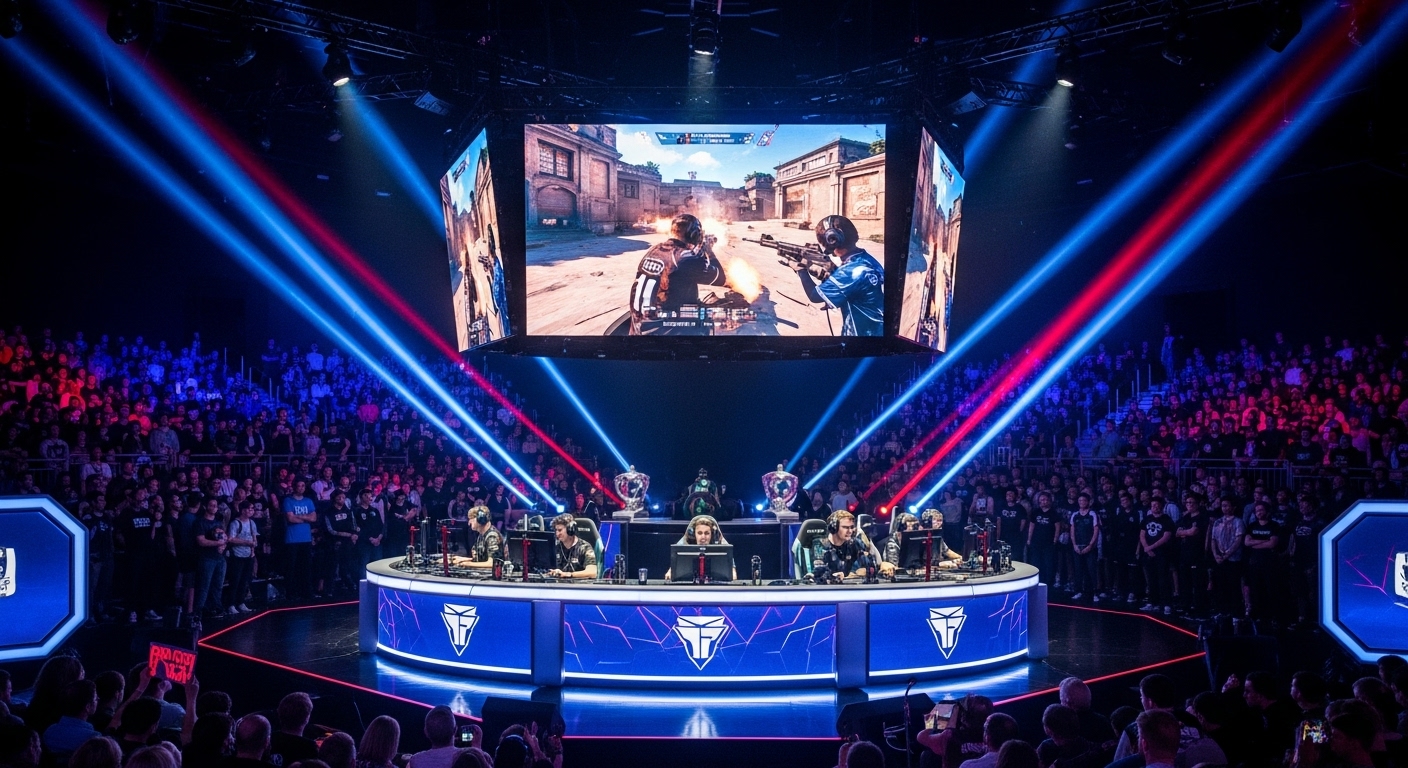
Tournaments such as The International, Fortnite World Cup, and League of Legends World Championship attract global audiences that rival major sporting events like the Super Bowl or the FIFA World Cup. The inclusion of esports as a medal event in the Asian Games further legitimizes its standing in the sporting world.
Challenges Facing the Esports Industry
Despite its rapid growth, esports faces several challenges. One major issue is player burnout. The intense schedules, long hours of practice, and constant online exposure can take a toll on mental and physical health. Many professional players retire at a young age due to these pressures.
Another concern is the lack of standardized regulation. Unlike traditional sports, esports is fragmented, with each game governed by its own developer or publisher. This can lead to inconsistencies in rules, prize distribution, and player rights.
Toxic behavior and harassment within gaming communities remain persistent issues. While many organizations are working to create more inclusive and respectful environments, there is still progress to be made.
Additionally, cheating and match-fixing pose threats to the credibility of esports. The use of unauthorized software or collusion undermines fair play. To combat this, leagues have introduced stricter anti-cheat systems and integrity commissions.
The Future of Esports
The future of esports looks brighter than ever. With advancements in technology and increasing mainstream acceptance, the industry is set for continued expansion. Virtual reality could redefine competitive gaming by making it more immersive and physical. Artificial intelligence will further enhance coaching, analytics, and audience engagement.
Esports may soon become a part of the Olympic Games. The International Olympic Committee has already expressed interest, and esports featured as a demonstration event at several global sporting competitions. Such inclusion would mark a historic milestone in the recognition of competitive gaming as a legitimate sport.
Furthermore, the integration of blockchain and digital assets could revolutionize how esports organizations manage contracts, fan engagement, and digital ownership. Tokenized economies and virtual merchandise are already emerging within gaming ecosystems.
The rise of AI-generated content and personalized viewing experiences will also shape how fans consume esports. Imagine watching a live match where you can choose camera angles, access instant player stats, and even interact with commentators in real-time — this is the future of interactive entertainment.
Esports and Society
Esports also offers social and educational benefits. Gaming encourages strategic thinking, teamwork, and problem-solving — skills valuable beyond the screen. Many schools have begun incorporating esports clubs and programs to engage students and teach digital literacy.
Esports also promotes inclusivity. While physical limitations can restrict participation in traditional sports, esports opens opportunities for anyone with passion and skill. The rise of adaptive technologies has made gaming accessible to people with disabilities, further democratizing competition.
Moreover, esports has become a powerful tool for social connection. In an increasingly digital world, gaming communities provide a sense of belonging. Players form friendships and networks that transcend national borders, fostering a spirit of unity and collaboration.
Economic Impact of Esports
The financial growth of esports is staggering. The global esports market is valued in the billions, with revenue streams including sponsorships, advertising, merchandise, media rights, and ticket sales. Streaming platforms generate additional revenue through subscriptions and donations.
Brands view esports as a gateway to the highly coveted youth demographic. Advertisers are investing heavily in esports because of its loyal, engaged audience. This has led to partnerships between gaming organizations and major corporations from industries like technology, apparel, energy drinks, and automobiles.
Esports events also boost local economies. Cities that host large tournaments experience surges in tourism, hospitality, and retail. The construction of dedicated esports arenas and training facilities contributes to job creation and urban development.
Conclusion: The Infinite Game
Esports is more than just competition; it’s a cultural revolution that reflects the spirit of the digital age. It embodies creativity, innovation, and community. What began as friendly battles in dimly lit arcades has evolved into a billion-dollar industry with global influence.
As technology continues to advance, esports will only grow more immersive, inclusive, and interconnected. It stands as a testament to how human passion and technology can come together to create something extraordinary. Whether you are a player, a fan, or an observer, esports offers a glimpse into the future of entertainment — one where everyone has a place on the digital stage.
The journey of esports is far from over. In many ways, it’s just beginning. The next generation of gamers, creators, and fans will carry this legacy forward, shaping the next chapter of a story that continues to inspire millions around the world.