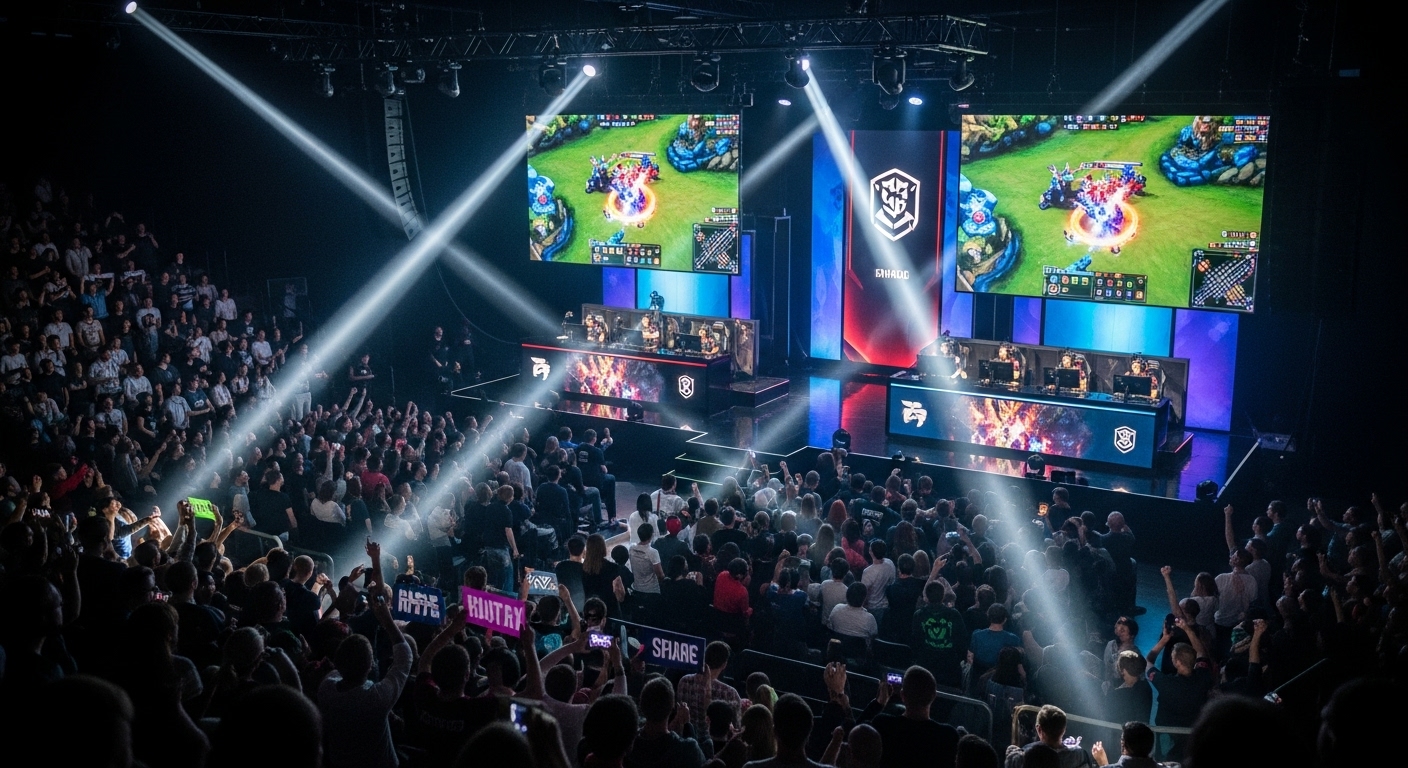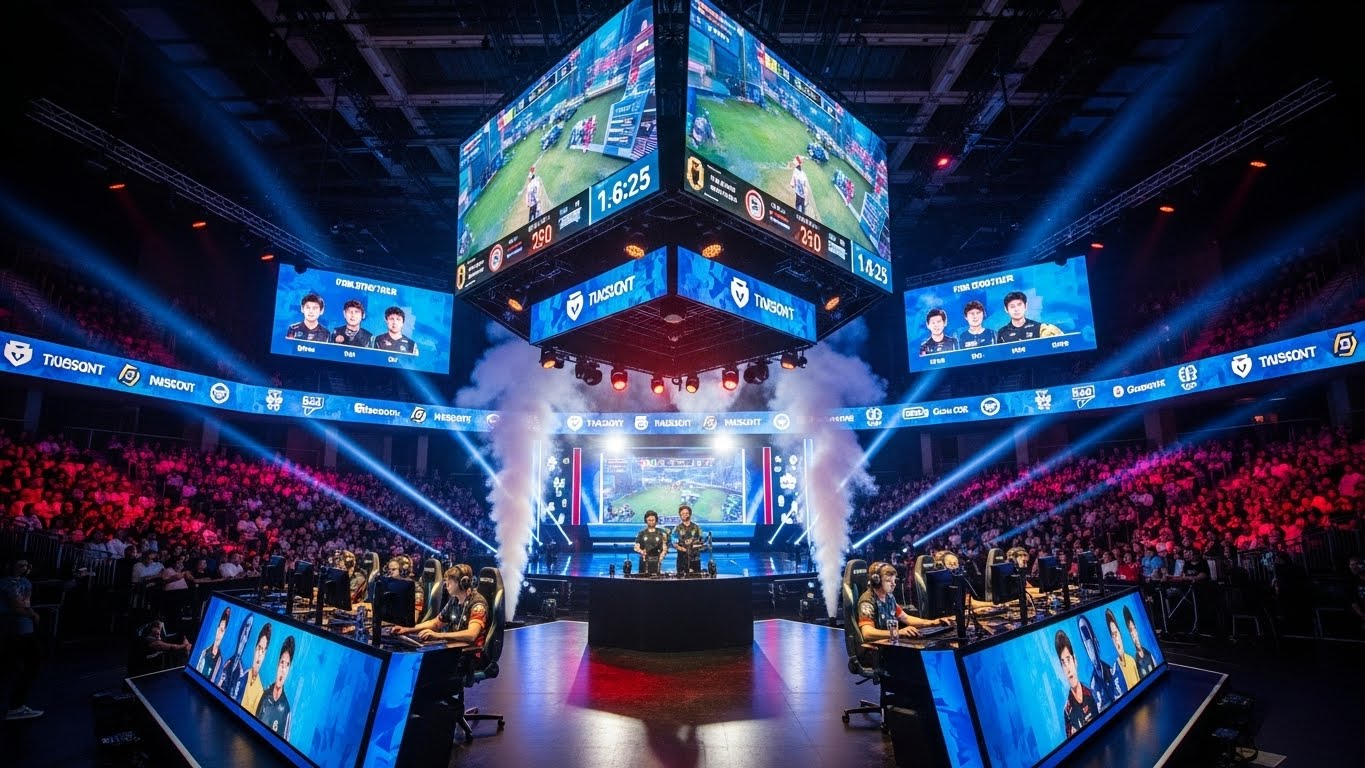






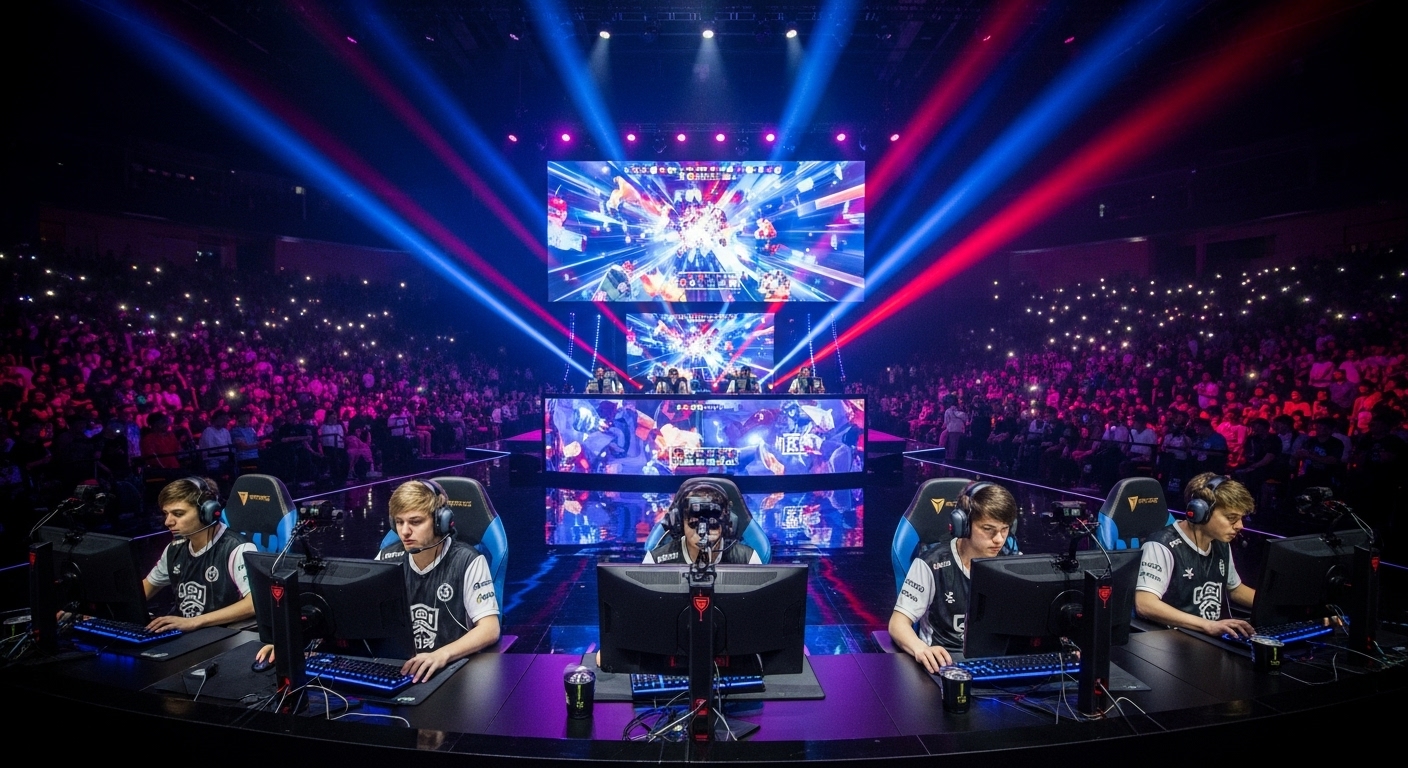
Esports, or electronic sports, has transformed from a niche hobby into a global phenomenon over the past two decades. Once seen as a pastime for teenagers in their bedrooms, esports now commands massive audiences, attracts corporate sponsorships, and even inspires collegiate programs. The evolution of competitive gaming has not only changed the way people interact with video games but has also created a unique culture that blends technology, entertainment, and sportsmanship.
The rise of esports is rooted in technological advancements. High-speed internet, powerful gaming consoles, and immersive PC setups have enabled players to compete at levels previously unimaginable. Multiplayer online battle arenas, first-person shooters, and real-time strategy games have become platforms where players showcase skill, strategy, and reflexes. These competitions are no longer casual; they are highly structured tournaments with professional rules, coaches, and analysts.
The Evolution of Esports
Esports’ journey began in the late 1970s and 1980s with small-scale competitions for arcade games like Space Invaders and Pac-Man. Players competed for high scores, and the best performers were celebrated in local arcades. By the 1990s, gaming had transitioned to personal computers, and competitive gaming expanded to titles like Quake and StarCraft. These early competitions laid the groundwork for modern esports by establishing organized leagues and cultivating fan communities.
The 2000s witnessed a major shift as online multiplayer games gained popularity. Titles like Counter-Strike and Warcraft III became staples of competitive gaming, fostering international competitions and early esports stars. Streaming technology allowed fans to watch live matches remotely, which significantly increased the accessibility and popularity of esports. With the rise of platforms like Twitch, competitive gaming evolved into a spectator sport, attracting millions of viewers worldwide.
Popular Esports Genres
Esports encompasses a wide variety of game genres, each offering unique experiences for players and audiences. First-person shooters (FPS) such as Call of Duty, Valorant, and Counter-Strike: Global Offensive emphasize reflexes, accuracy, and strategic positioning. FPS competitions often involve teams of players coordinating attacks, defending objectives, and adapting to opponents’ tactics.
Multiplayer online battle arenas (MOBAs) like League of Legends and Dota 2 focus on strategic gameplay, team coordination, and individual skill. Players select unique characters, known as heroes or champions, each with distinct abilities, and work together to achieve victory over the opposing team. MOBAs demand long-term planning, real-time decision-making, and precise execution, making them highly engaging for competitive play.
Battle royale games, including Fortnite and Apex Legends, have also gained prominence in esports. These games combine survival, exploration, and combat, often with hundreds of players competing in a single match. The unpredictability of battle royale gameplay provides thrilling moments for both players and viewers.
The Esports Ecosystem
The esports ecosystem is vast and multifaceted, involving players, teams, organizers, sponsors, and fans. Professional players often specialize in a single game, dedicating countless hours to training, strategy development, and teamwork. Top-tier players may receive salaries, prize money, and endorsement deals, similar to traditional athletes.
Teams play a crucial role in esports by providing structure, coaching, and resources to enhance player performance. Well-known teams such as Cloud9, Fnatic, and T1 have established global brands and fanbases. Teams also create content, host events, and participate in tournaments, contributing to the overall growth of esports.
Tournament organizers are responsible for creating and managing competitions. Events like The International, League of Legends World Championship, and EVO fighting game tournaments draw millions of viewers and feature multimillion-dollar prize pools. Organizers invest heavily in production quality, live streaming, and audience engagement, making esports events professional and entertaining spectacles.
Sponsors and advertisers recognize the potential of esports as a marketing platform. Brands from technology, fashion, energy drinks, and even automotive industries partner with teams, tournaments, and individual players to reach targeted audiences. Esports fans are highly engaged and diverse, providing companies with unique opportunities to connect with consumers.
The Global Impact of Esports
Esports has become a worldwide phenomenon, transcending cultural and geographical boundaries. Countries across Asia, Europe, and North America have embraced competitive gaming, creating vibrant professional scenes. South Korea is often regarded as the birthplace of modern esports, with extensive infrastructure, professional leagues, and government support. League of Legends and StarCraft competitions in Korea have drawn massive audiences and inspired aspiring players worldwide.
China has emerged as a major esports powerhouse, with significant investment in professional leagues, esports arenas, and streaming platforms. The Chinese esports market generates billions of dollars in revenue and continues to expand rapidly. Europe and North America have developed their own thriving scenes, with numerous tournaments, collegiate programs, and regional leagues.
Esports has also impacted traditional sports and entertainment industries. Many professional sports teams have invested in esports divisions, recognizing the overlap between gaming audiences and sports fans. Celebrities and influencers frequently participate in esports events, further bridging the gap between gaming and mainstream entertainment.
Esports and Technology
Technology is at the heart of esports, driving both gameplay and viewership. High-performance gaming PCs, consoles, and peripherals allow players to execute complex strategies with precision. Virtual reality and augmented reality technologies are beginning to influence competitive gaming, introducing new dimensions of immersion and interactivity.
Streaming technology has revolutionized how audiences consume esports content. Platforms like Twitch, YouTube Gaming, and TikTok Gaming provide real-time access to tournaments, player streams, and highlights. Interactive features, such as chat rooms, donations, and subscriber perks, foster community engagement and create a sense of participation for fans.
Data analytics also plays a significant role in esports. Teams use performance metrics, heat maps, and opponent analysis to optimize strategies and improve individual and team performance. Advanced tools help coaches and analysts identify strengths, weaknesses, and trends, contributing to more competitive gameplay.
The Career Path in Esports
Esports offers diverse career opportunities beyond playing professionally. Players can pursue coaching, content creation, streaming, analysis, event management, and marketing roles. Content creators and streamers engage audiences through gameplay commentary, tutorials, and entertainment, often building large followings and generating income through subscriptions, sponsorships, and donations.
Coaches and analysts provide strategic guidance, studying opponents, designing practice routines, and improving team coordination. Event organizers and production staff manage tournaments, broadcast operations, and fan engagement. Marketing professionals help promote events, secure sponsorships, and develop brand strategies.
The esports industry continues to grow, offering promising career prospects for individuals passionate about gaming, technology, and entertainment. Educational programs and universities now offer esports-related courses, preparing students for roles in management, marketing, and game development.
Challenges in Esports
Despite its growth, esports faces several challenges. Player burnout and mental health concerns are significant issues due to long practice hours, intense competition, and constant scrutiny. Organizations are increasingly recognizing the importance of psychological support, healthy routines, and work-life balance for players.
Cheating and unfair play remain concerns, requiring robust anti-cheat systems, strict rules, and vigilant monitoring. Tournament integrity and fair competition are essential for maintaining credibility and fan trust.
Additionally, the esports industry is still working to achieve mainstream recognition comparable to traditional sports. While audiences are growing, esports often faces skepticism from outsiders who view gaming as mere entertainment rather than a legitimate competitive activity.
The Future of Esports
The future of esports is bright, with continued expansion across regions, platforms, and game genres. Emerging technologies like virtual reality, cloud gaming, and AI-driven analytics will redefine gameplay and training methods. Cross-platform tournaments and mobile esports are becoming increasingly popular, broadening accessibility for players and fans alike.
Esports is also poised to integrate further with mainstream media, entertainment, and traditional sports. Collaborative events, celebrity participation, and media coverage will continue to elevate the profile of competitive gaming. As infrastructure, sponsorship, and public perception improve, esports may become a universally recognized form of competition, similar to football or basketball.
Esports and Community
One of the defining aspects of esports is its community. Fans, players, content creators, and organizers form interconnected networks that thrive on shared passion for games. Online forums, social media groups, and live streams facilitate interaction, discussion, and collaboration. Fans often form strong attachments to teams and players, creating loyalty and engagement comparable to traditional sports fandom.
Community involvement also drives innovation in esports. Feedback from players and audiences informs game updates, tournament formats, and streaming features. Grassroots tournaments and amateur leagues provide pathways for aspiring players to enter the professional scene, maintaining a dynamic and inclusive ecosystem.
Conclusion
Esports has evolved from humble beginnings into a global industry that blends competition, technology, and entertainment. It has created professional opportunities, inspired fan communities, and redefined what it means to be an athlete in the digital age. The industry continues to grow, innovate, and adapt, reflecting the passion and creativity of its participants and audiences.
As esports continues to expand, it will likely influence culture, technology, and society in ways we are only beginning to understand. Whether you are a player, fan, or industry professional, esports represents a dynamic and exciting frontier in the world of entertainment and competition.