





Esports has transformed from a curious niche hobby into a booming global phenomenon that commands the attention of millions. It is the story of players who battle with keyboards instead of swords, headsets instead of helmets, and strategy instead of brute force. In simplest terms, esports represents competitive video gaming, but that definition barely touches the excitement, culture, and enormous industry surrounding it. What started as small gatherings of gamers in dim arcade rooms has evolved into roaring arenas filled with fans, dazzling light shows, analysts debating tactics, and players who have become icons of an entirely digital generation. Esports is not just a game. It is a revolution.
A Brief History of Esports
The idea of competing in video games is not new. It can be traced back to the early days of arcade machines in the 1970s and 1980s, where high scores were the trophies and bragging rights were the ultimate reward. Yet, those early competitions were like seeds planted in unknown soil. The real spark came with the rise of home computer and console gaming. Suddenly players from different places could compete and compare skills.
As the internet connected the world, esports found its wings. No longer was gaming confined to local circles. Tournaments could be broadcast, streamed, and enjoyed worldwide. Titles like StarCraft in South Korea ignited national fandom. Later, games like Counter Strike, League of Legends, Dota 2, and Overwatch became international sensations that built a new entertainment empire.
From humble beginnings of a few friends challenging each other for fun, esports has grown into a career choice for thousands and a spectator sport for millions. Today it stands proudly beside traditional sports with sponsors, coaches, managers, and athletes who treat each match like a battle for destiny.
Esports as a Real Sport
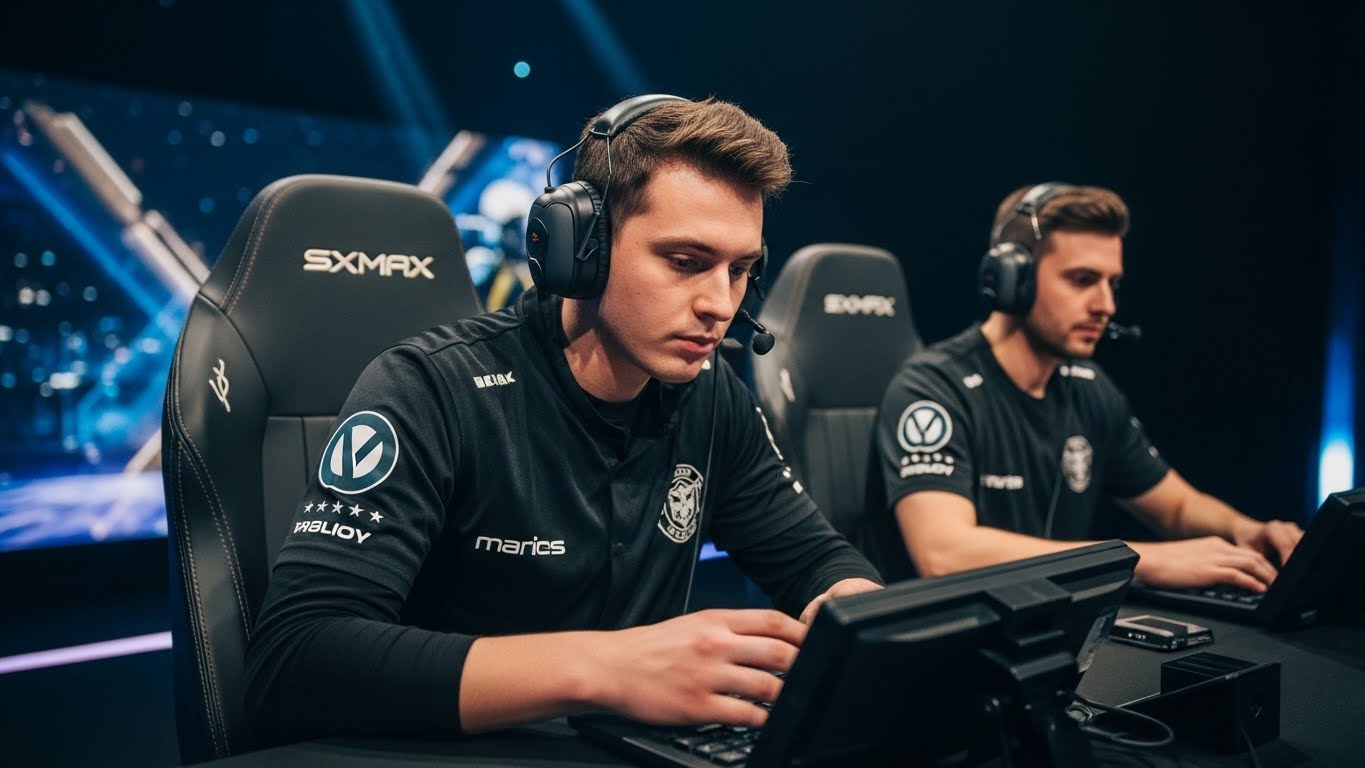
Some skeptics once questioned whether esports deserved to be called a sport. They pictured athletes running tracks or diving into pools, not sitting in gaming chairs under glowing LED lights. But look beyond the screen and you will find fierce competition, incredible coordination, tactical depth, and immense pressure. Esports athletes train for hours every day, refine their reflexes, and study opponents the same way a boxer analyzes his foe or a chess master studies strategies.
A professional gamer’s life requires discipline and sacrifice. They undergo physical training to prevent injuries like carpal tunnel syndrome or poor posture. Mental toughness is vital because every mistake can shift the momentum of a match. Esports demands precision, teamwork, and creativity at lightning-fast speeds. It is sport in a new dimension, replacing football fields with fantasy battlefields and basketball courts with futuristic arenas.
Genres That Shape the Esports Universe
Esports covers a wide variety of games, each with unique styles that attract different audiences.
Multiplayer Online Battle Arena Games
Titles like League of Legends and Dota 2 transformed esports into a strategic powerhouse. Teams of five fight to control the map, destroy structures, and outsmart opponents with layered teamwork. These games unfold like fast-paced chess matches where every move affects the battlefield.
First Person Shooters
Games such as Counter Strike Global Offensive and Valorant place players into high-stakes gunfights. Precision, reaction time, and coordination decide victory. These competitions are as tense as any penalty shootout or final-second basketball shot.
Battle Royale Games
Fortnite and Apex Legends bring massive player counts into dramatic last-player-standing contests. These games blend chaos with strategy and have gained huge popularity among younger fans.
Sports Simulations
Games like FIFA and NBA 2K allow players to step into the shoes of athletes and recreate iconic moments. These titles act as bridges between traditional sports and esports.
Each genre is a different theater of war, offering unique experiences to competitors and spectators alike. The result is a diverse digital sporting ecosystem where every gamer can find a place to shine.
The Role of Streaming in Esports Growth
Once upon a time, if you wanted to watch someone play a video game, you had to sit next to them on the couch. Today, streaming platforms have turned gamers into performers with crowds cheering from around the world. Viewers can interact live through chats, celebrations, and reactions, creating a shared experience similar to watching sports in a stadium.
Streaming turned esports players into celebrities. Their skills are on display not only during massive tournaments but also during daily streams watched by thousands or even millions. It builds community, loyalty, and a culture that keeps growing stronger.
Esports Arenas and Live Events
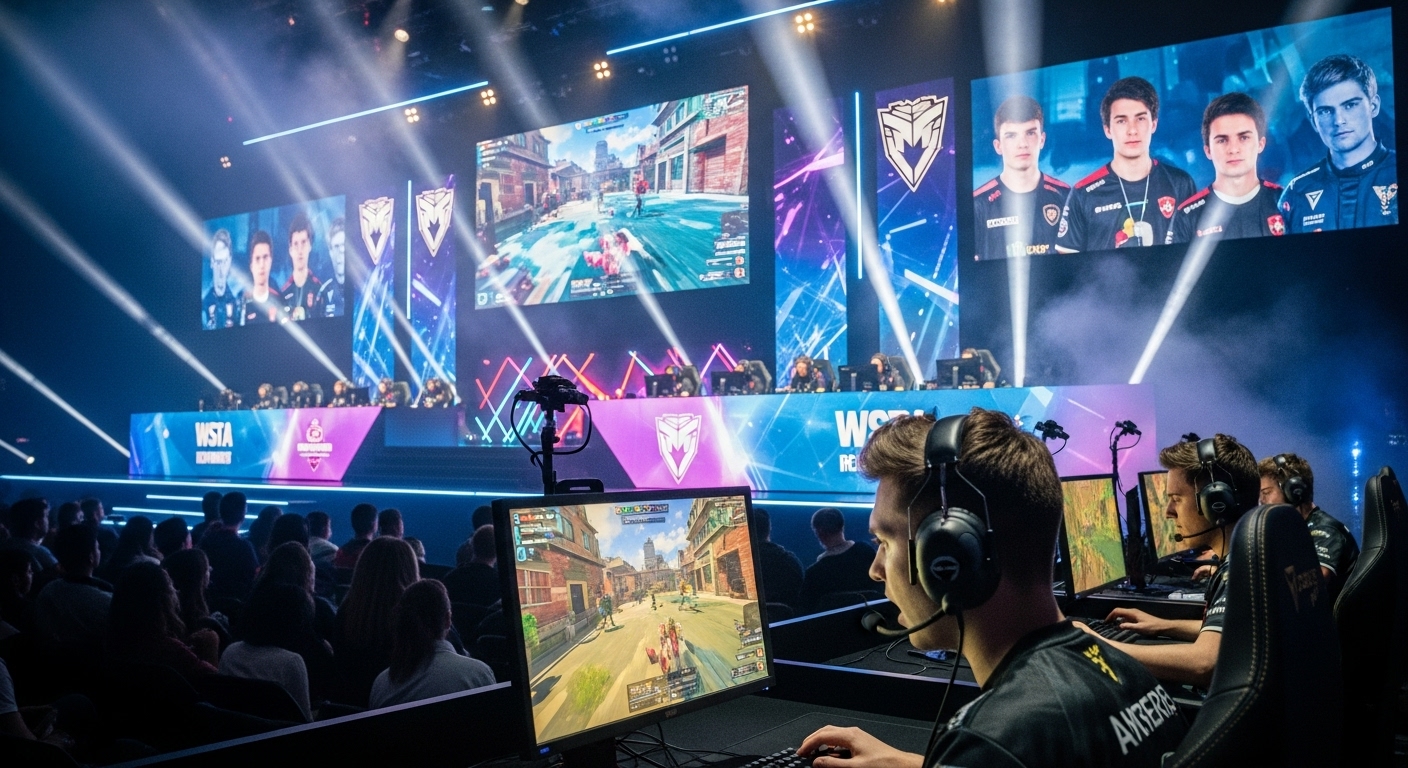
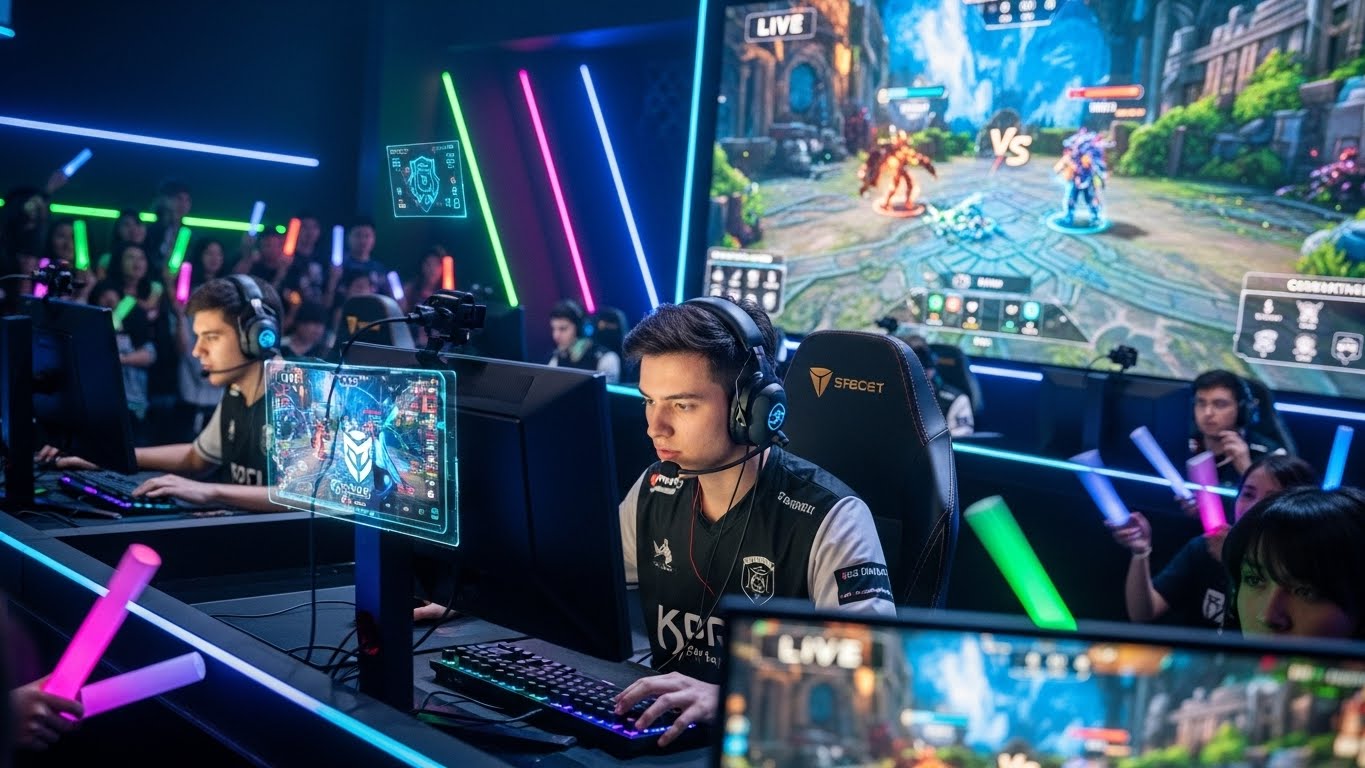
There is magic in the roar of a crowd, even when the heroes they celebrate sit behind monitors. Esports tournaments have evolved into grand spectacles with massive stages, pyrotechnic shows, and fans waving team banners. The energy is electric. Every round win sends ripples across the arena. Fans wear jerseys of their favorite teams and chant for players like rockstars.
These events prove beyond doubt that esports is more than entertainment. It is an emotion shared globally. The crowds, the lights, and the atmosphere make it a festival of passion. From arenas in Seoul to stadiums in Los Angeles, the digital battlefield is now a world stage.
Esports as a Career Path
A generation ago, parents could not imagine their children becoming professional gamers. It sounded like a wild dream with no future. Today that dream has become a viable profession. Professional players sign contracts, have support staff, earn salaries, travel the globe, and compete for prize pools that sometimes reach millions.
But esports careers extend far beyond the players themselves. The industry needs shoutcasters, analysts, coaches, content creators, event organizers, game developers, and marketing teams. Esports is an economy that constantly expands and welcomes talent from many fields.
Students enrolling in esports scholarships in universities, specialized esports training centers, and corporate sponsorships show just how seriously the world now takes competitive gaming. It has carved a place in academic structures and business sectors alike.
Training the Modern Digital Athlete
The daily life of an esports athlete is not purely play. It is practice, strategy, discipline, and the pursuit of excellence. They follow schedules similar to traditional athletes, including:
Scrimmage sessions against other teams
Replay analysis to improve performance
Individual mechanics training for sharper reflexes
Physical workouts to maintain health and stamina
Mental coaching to handle pressure
A single match can turn on one misstep or one moment of brilliance. Every detail matters. Professional trainers, nutritionists, and psychologists join teams to prepare players for the highest levels of competition.
Esports Culture and Community
Gaming once carried a stereotype of isolation, but esports shattered that narrative. Communities have blossomed around teams, characters, and gaming moments. From fan art to memes to cosplay, esports culture is a colorful celebration of creativity and belonging.
Every team has loyal supporters who track every move. Rivalries fuel excitement and discussions. Social media keeps fans connected, turning players into interactive heroes rather than distant stars. Esports is an entertainment experience powered by participation rather than mere observation.
Global Influence and International Competitions
Esports is not limited by geography. It is a universal language spoken through skill and strategy. International competitions bring together diverse cultures where everyone shares the same passion. Whether fans are from Asia, Europe, America, or beyond, they unite to cheer and dream.
These tournaments can rival traditional global sports in viewership numbers. Esports icons become ambassadors of digital unity, showing how games can bring people together rather than divide them.
Challenges Faced by the Esports Industry
Even thriving landscapes have shadows. Esports faces several challenges as it evolves.
Player burnout is a major concern. The intense schedule and emotional stress can take a toll. Stability and labor rights also continue to develop because the industry is young compared to long-established sports organizations.
Toxic behavior within gaming communities can create negative environments. Developers and leagues work constantly to promote fairness, accessibility, and positive conduct.
Financial sustainability also varies. Not every game can maintain a competitive scene forever, and some organizations struggle to survive if interest drops or sponsorship fades.
Yet every challenge pushes the industry toward growth, improvement, and maturity.
The Future of Esports: What Comes Next
The future of esports sparkles with possibility. Technological evolution never rests. Advancements such as virtual reality and augmented reality may redefine how competitions look and feel. Imagine stepping directly into a digital battlefield instead of simply watching from a seat.
Esports broadcasting may become more interactive, letting viewers switch camera angles, access player perspectives, and influence content. Artificial intelligence tools could enhance analysis, improve coaching, and create smarter training programs.
Esports may also become an official part of global sporting events like more international tournaments and wider recognition at the highest sports platforms. School programs and professional leagues will expand, making esports a pathway available to anyone talented enough to pursue it.
Whether technology leaps forward or industry systems evolve, one certainty remains: esports will continue to rise higher.
Esports and Its Social Impact
Esports has done something extraordinary. It created opportunities where none existed and allowed people with different backgrounds to find their voice and identity. It gives confidence to the shy and recognition to the overlooked. It connects friends across continents and opens career doors for those passionate about digital worlds.
It also encourages teamwork, problem solving, communication, and leadership. These skills translate into daily life, proving that gaming is not only entertainment but also education in disguise. Esports is a lesson in resilience, strategy, and pursuing dreams with fierce determination.
Esports Heroes and Role Models
Every generation seeks its champions, and esports offers new kinds of role models. They may not wear capes, but they inspire with skill, intelligence, and dedication. Fans look up to players who climb from small beginnings to global success because it shows that talent can be discovered anywhere, even behind a screen in a bedroom.
These players shape culture by promoting healthy competition, personal growth, and creativity. Their stories motivate young gamers to train harder and believe in their potential.
Why Esports Matters
At its heart, esports represents passion. It is the passion of a player who sacrifices sleep to practice. It is the passion of fans who cheer from home or attend live events. It is the passion of creators who design worlds where imagination becomes reality.
Esports matters because it brings joy. It matters because it welcomes all. It matters because it turns dreams once dismissed as fantasies into careers, communities, and global celebrations.
Conclusion The Digital Arena Expands Every Day
Esports is still climbing a mountain whose peak remains unseen. The world watches as digital warriors reshape the limits of entertainment. It is not simply a trend or phase. It is an evolution. A new wave of sport crafted for the twenty first century and beyond.
As technology grows and players continue pushing boundaries, esports will reach even grander heights. Today it fills arenas. Tomorrow, it might fill the world with a completely new form of connection, achievement, and excitement. From young gamers honing skills to legendary veterans remembered forever, the story of esports is far from over.