





Introduction to Esports
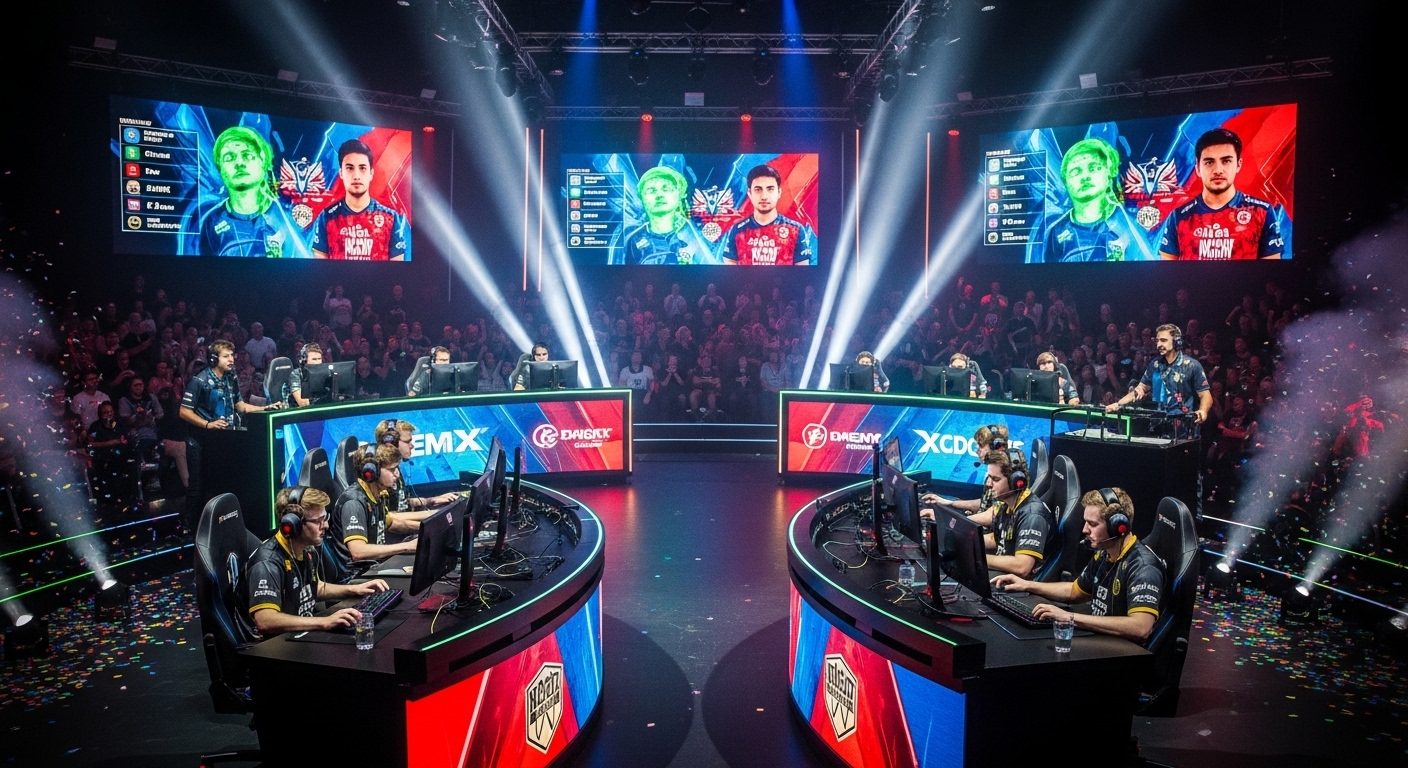
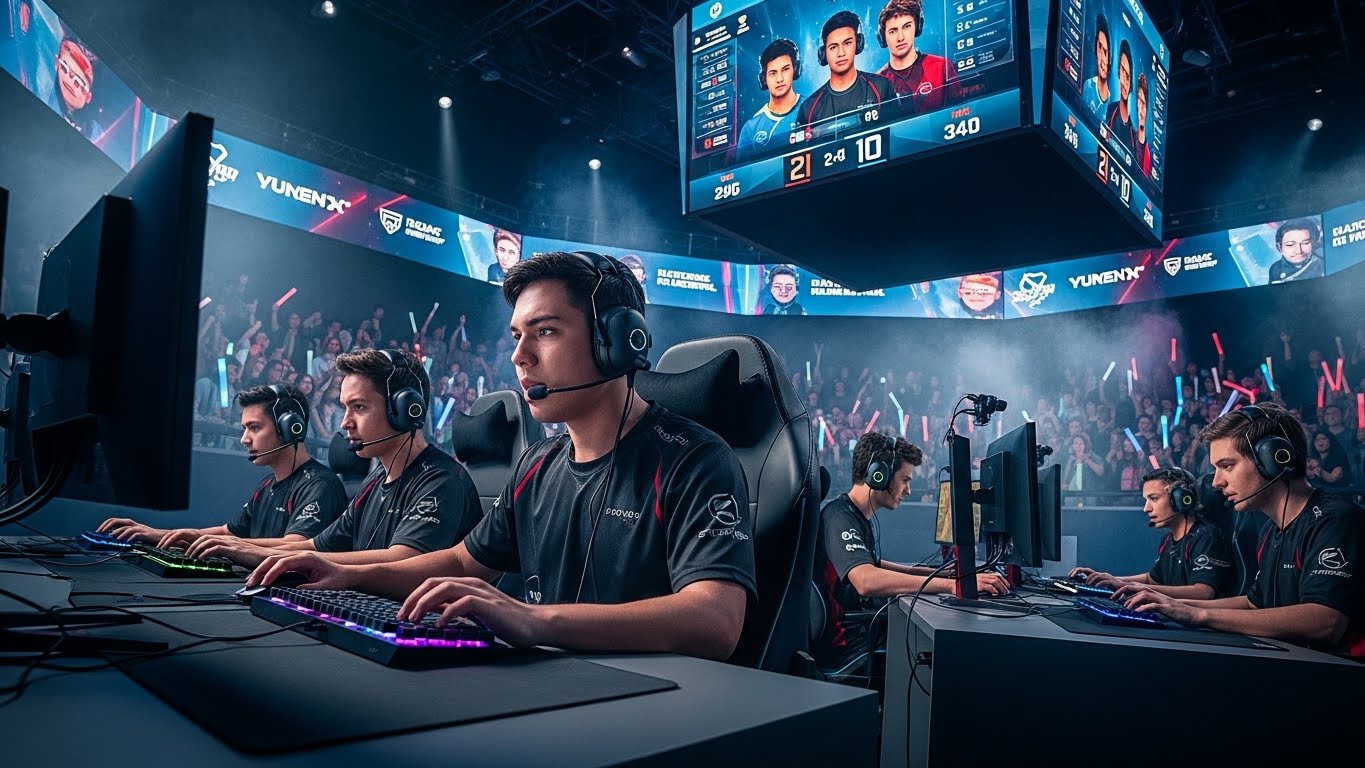
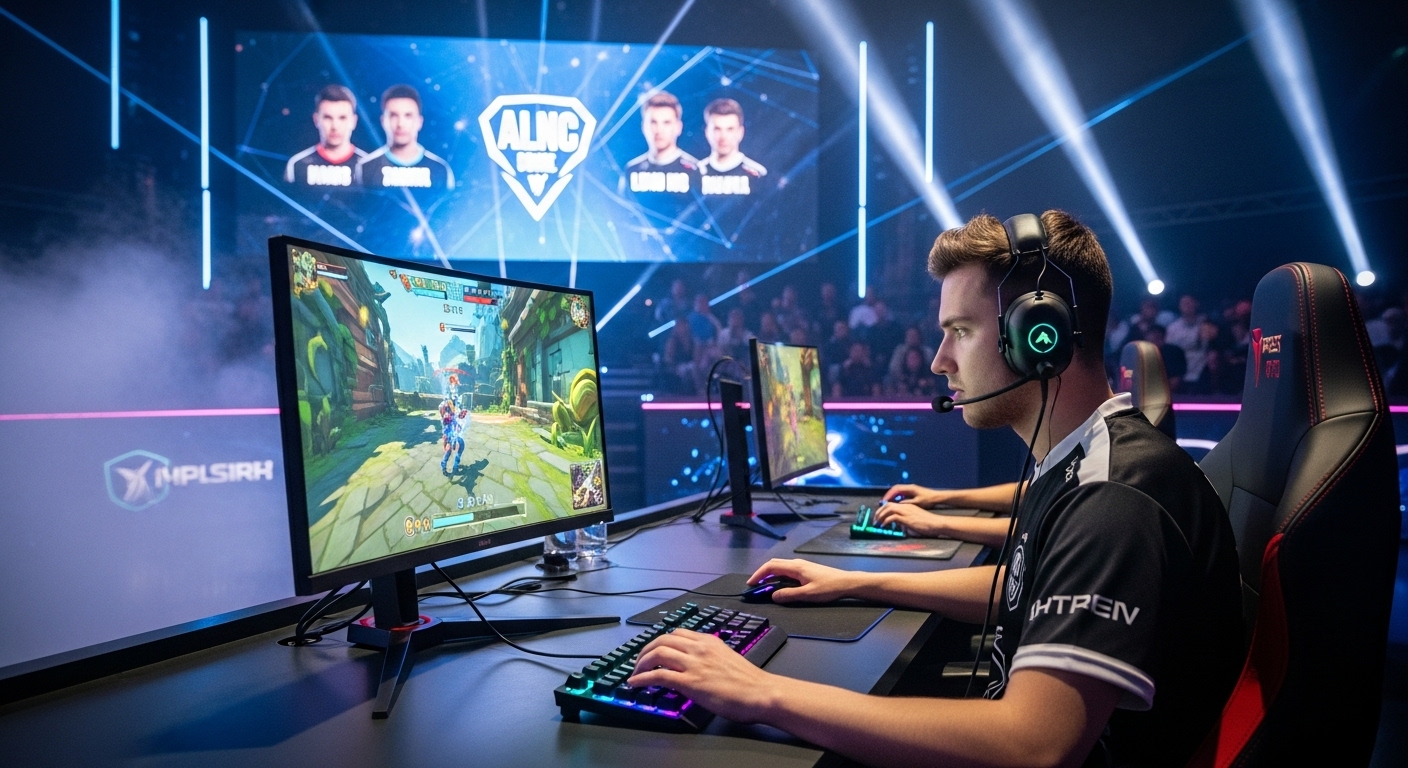
In the last two decades, the world has witnessed a tremendous transformation in the way people consume entertainment, competition, and digital interaction. Among the most revolutionary changes has been the meteoric rise of esports. Esports, or electronic sports, refers to organized, competitive gaming played at a professional level. What was once considered a niche hobby for enthusiasts has now evolved into a multi-billion-dollar global industry. It combines the thrill of competition with the accessibility of digital platforms, allowing millions of fans worldwide to watch, learn, and engage.
Esports encompasses a wide variety of video games, from first-person shooters to real-time strategy games and sports simulations. Titles such as League of Legends, Dota 2, Counter-Strike, and Fortnite have shaped an entire generation of digital athletes. These games have built passionate communities and fostered a sense of belonging for millions of people who find excitement in the digital arena.
The Origins of Competitive Gaming
The concept of competitive gaming dates back to the early days of arcade machines and home consoles. The first known video game competition took place in 1972 at Stanford University, where students competed in Spacewar. The reward for the winner was a year’s subscription to a magazine, a far cry from the multimillion-dollar prize pools that modern esports athletes compete for.
As video games evolved in the 1980s and 1990s, so did competitive play. Games like Street Fighter and Mortal Kombat drew local and national tournaments, while titles like StarCraft and Quake brought competitive gaming into the online realm. However, it was not until the 2000s, with the advent of broadband internet and streaming platforms, that esports truly began to grow into a structured, professionalized industry.
The Rise of Esports in the 21st Century
The 2000s marked the beginning of esports as we know it today. The combination of online multiplayer gaming, broadband access, and live streaming services created the perfect environment for competition to flourish. Platforms such as Twitch, YouTube Gaming, and later Facebook Gaming transformed the way audiences engaged with esports. Suddenly, anyone could watch tournaments live from anywhere in the world.
This accessibility helped esports become an international phenomenon. Major tournaments started to attract millions of viewers online, rivaling traditional sporting events. The League of Legends World Championship, for instance, regularly draws audiences comparable to those of the Super Bowl. Similarly, Dota 2’s annual “The International” tournament offers prize pools exceeding tens of millions of dollars, funded largely by player contributions through in-game purchases.
Professionalization and Structure of Esports
As the popularity of esports grew, so did its professional structure. What began as small, community-run competitions gradually evolved into a global ecosystem with professional leagues, teams, sponsors, and media rights. Players are now treated like professional athletes, complete with rigorous training regimens, nutrition plans, and psychological coaching.
Teams operate as full-fledged organizations, often owned by investors, celebrities, or traditional sports clubs. For example, well-known football clubs have established their own esports divisions, recognizing the growing crossover between gaming and mainstream sports. These organizations not only compete but also create content, engage with fans, and represent brands in the digital space.
Coaches, analysts, and strategists play vital roles in preparing players for matches. Just as in physical sports, performance analysis, teamwork, and adaptability are key to success. The infrastructure supporting esports has become vast and sophisticated, from high-end gaming arenas to sponsorship deals worth millions.
Esports as a Career Path
In the early days, few people imagined gaming could be a legitimate career. Today, it is not only possible but also highly lucrative for those who excel. Professional players can earn significant incomes from salaries, tournament winnings, endorsements, and streaming revenue. Top-tier players are treated as celebrities, with massive followings across social media and live streaming platforms.
Beyond professional play, esports has opened up countless career opportunities. There are roles in event management, broadcasting, marketing, coaching, game design, and journalism. The industry has also created a demand for professionals in data analytics, performance psychology, and player management. Universities around the world are now offering esports scholarships and degrees, further legitimizing the field as a viable professional pursuit.
The Role of Technology in Esports Growth
The expansion of esports is inseparable from technological progress. High-speed internet, advanced graphics cards, and sophisticated gaming engines have all contributed to the immersive experiences that modern games offer. Streaming technology has been particularly crucial. Without it, the reach of esports would be limited to local tournaments.
Virtual reality, augmented reality, and artificial intelligence are expected to play increasingly significant roles in the future of esports. These innovations can enhance player training, fan engagement, and game development. Cloud gaming is another emerging technology that can make esports more accessible by allowing players to compete on powerful servers without needing high-end hardware.
The influence of social media cannot be ignored either. Platforms like Twitter, TikTok, and Instagram have become vital for promoting events, sharing highlights, and building fan communities. This interconnectedness has made esports not just a form of entertainment but a lifestyle for millions.
Esports and Mainstream Acceptance
Once dismissed as mere “video games,” esports have now entered mainstream recognition. Major broadcasters have begun to feature tournaments, and global sporting bodies have acknowledged esports as an official form of competition. Some countries have even granted visas to esports athletes, treating them the same as traditional sports professionals.
The inclusion of esports in events such as the Asian Games and ongoing discussions about its potential Olympic inclusion reflect this growing legitimacy. Governments and educational institutions are also recognizing esports’ potential for promoting digital literacy, teamwork, and cognitive development.
Traditional sports franchises have embraced esports as a way to reach younger audiences. This crossover has helped bridge the gap between older generations of sports fans and the digital-native generation of gamers.
The Global Esports Community
One of the most remarkable aspects of esports is its global nature. Unlike many traditional sports, which can be regionally dominant, esports transcends borders and languages. Players from South Korea, China, Europe, North America, and beyond compete on an equal footing. Each region brings its own playstyle, strategies, and fan culture.
South Korea, for instance, is often regarded as the birthplace of modern esports. The country’s dedication to professional gaming, infrastructure, and player discipline set the standard for others to follow. Meanwhile, China has developed massive audiences and sponsorship ecosystems, contributing significantly to the industry’s revenue. Western countries have also made their mark through strong teams, innovative production, and passionate fan bases.
The Economics of Esports
Esports is not just entertainment—it is a thriving business. The industry generates billions annually through sponsorships, media rights, merchandise, ticket sales, and in-game purchases. Major brands from various sectors, including technology, energy drinks, apparel, and automotive, have invested heavily in esports sponsorships.
Prize pools have grown exponentially, attracting top talent and fostering intense competition. Revenue models are evolving, with organizations exploring new ways to engage audiences, such as subscription-based content, exclusive merchandise, and fan memberships. The rise of digital currencies and NFTs has also influenced how esports interacts with fan engagement and digital ownership.
However, the business side of esports is not without challenges. Maintaining profitability for teams and organizers remains complex, given the high operational costs. Balancing competitive integrity with commercial interests is an ongoing discussion within the industry.
Esports and Education
Esports is finding a place in educational systems around the world. Schools and universities are creating esports programs to teach students about teamwork, leadership, and digital skills. These programs also focus on healthy gaming habits, time management, and the importance of physical well-being.
Many institutions now host intercollegiate tournaments, offering scholarships to talented players. This has opened doors for students who are passionate about gaming but also value education. The integration of esports into education is helping reshape perceptions about gaming and its role in youth development.
Challenges Faced by the Esports Industry
Despite its tremendous growth, esports faces several challenges. Player burnout is one of the most pressing issues. The demanding training schedules and mental pressure can lead to exhaustion and early retirements. Establishing better support systems and mental health resources is crucial for the industry’s sustainability.
Another concern is the stability of organizations and tournament structures. Since many games are owned by private companies, the lifespan of an esports title can depend on the developer’s decisions. Sudden changes in rules, updates, or even the discontinuation of a game can disrupt entire ecosystems.
Issues like cheating, match-fixing, and online harassment also plague the industry. Ensuring fair play and maintaining ethical standards are ongoing battles for esports governing bodies.
The Cultural Impact of Esports
Beyond competition, esports has significantly influenced global culture. Gaming has become a central form of entertainment for young generations, shaping fashion, music, and online communities. Streamers and content creators have become influential figures, blurring the lines between professional players and entertainers.
Esports has also become a platform for diversity and inclusion. Players and fans from all backgrounds can participate, fostering a sense of global unity. Women’s participation in esports is increasing, though challenges remain in terms of representation and equality. The push for inclusivity continues to grow, with more initiatives encouraging diverse participation.
The Future of Esports
The future of esports looks incredibly promising. As technology continues to advance, the boundaries between physical and digital sports may become even more blurred. Virtual arenas, holographic displays, and real-time analytics could redefine the viewing experience.
More games will likely join the competitive scene, while existing ones will continue to evolve. The integration of AI for training and analysis could elevate the strategic depth of professional play. Additionally, the line between esports and entertainment will continue to merge as virtual concerts, digital avatars, and interactive broadcasts become common.
Esports could also play a major role in shaping the metaverse—a shared digital space where users interact, compete, and socialize. Within this realm, gaming will be at the heart of cultural and economic exchange.
Conclusion
Esports represents more than just gaming; it symbolizes the intersection of technology, culture, and competition in the modern age. What started as small tournaments among friends has evolved into a global industry commanding millions of fans, massive investments, and international recognition.
Its rise reflects the changing nature of entertainment and the growing importance of digital communities. Esports has created opportunities for individuals, inspired innovation, and bridged cultures around the world. While challenges remain, the momentum shows no sign of slowing.
The journey of esports is a testament to how human creativity and passion can transform simple pastimes into professional endeavors that capture the imagination of generations. As we move forward, esports will continue to redefine not only how we play but also how we connect, compete, and celebrate excellence in the digital age.