





In recent years, the world of sports has witnessed a dramatic shift. Traditional games and physical competitions are no longer the only forms of entertainment that capture the attention of millions. Enter esports — the world of competitive video gaming, where individuals and teams face off in virtual arenas for glory, fame, and significant cash prizes. What was once a niche hobby has exploded into a global industry worth billions of dollars, with professional players, major sponsors, and international tournaments.
Esports has evolved from a pastime enjoyed by gamers to a highly organized, professional, and culturally significant sector. From virtual arenas to the streaming platforms where fans cheer on their favorite players, esports has become an integral part of the entertainment landscape. This post delves into the rapid rise of esports, its evolution from casual gaming to professional leagues, its economic impact, and what the future holds for this burgeoning industry.
What is Esports? A New Era of Competition
Esports, short for electronic sports, refers to organized, multiplayer video game competitions, particularly between professional players, individually or as teams. Unlike casual gaming, esports is competitive by design, often featuring highly skilled players who train for years to hone their craft in specific games. It includes a wide array of genres, from real-time strategy games like StarCraft to first-person shooters like Call of Duty and Counter-Strike, and multiplayer online battle arenas (MOBAs) like Dota 2 and League of Legends.
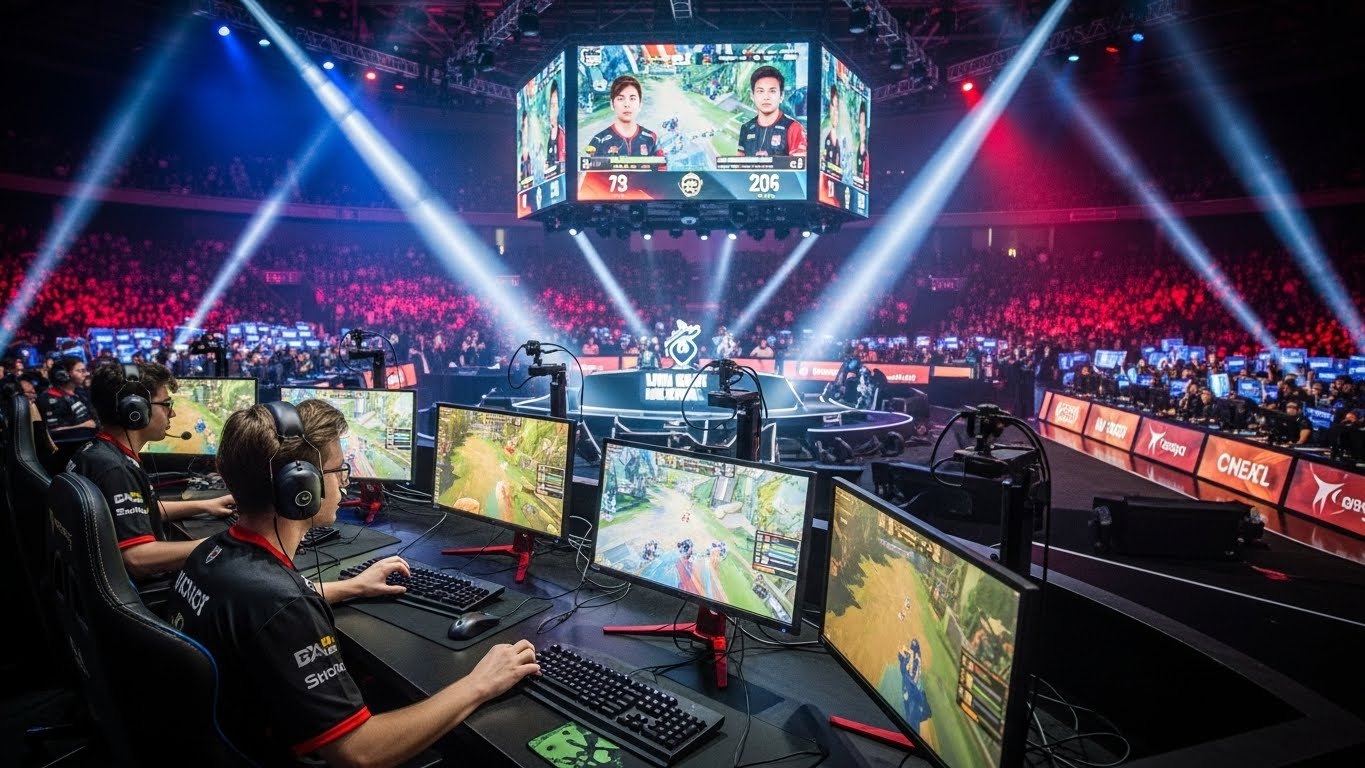
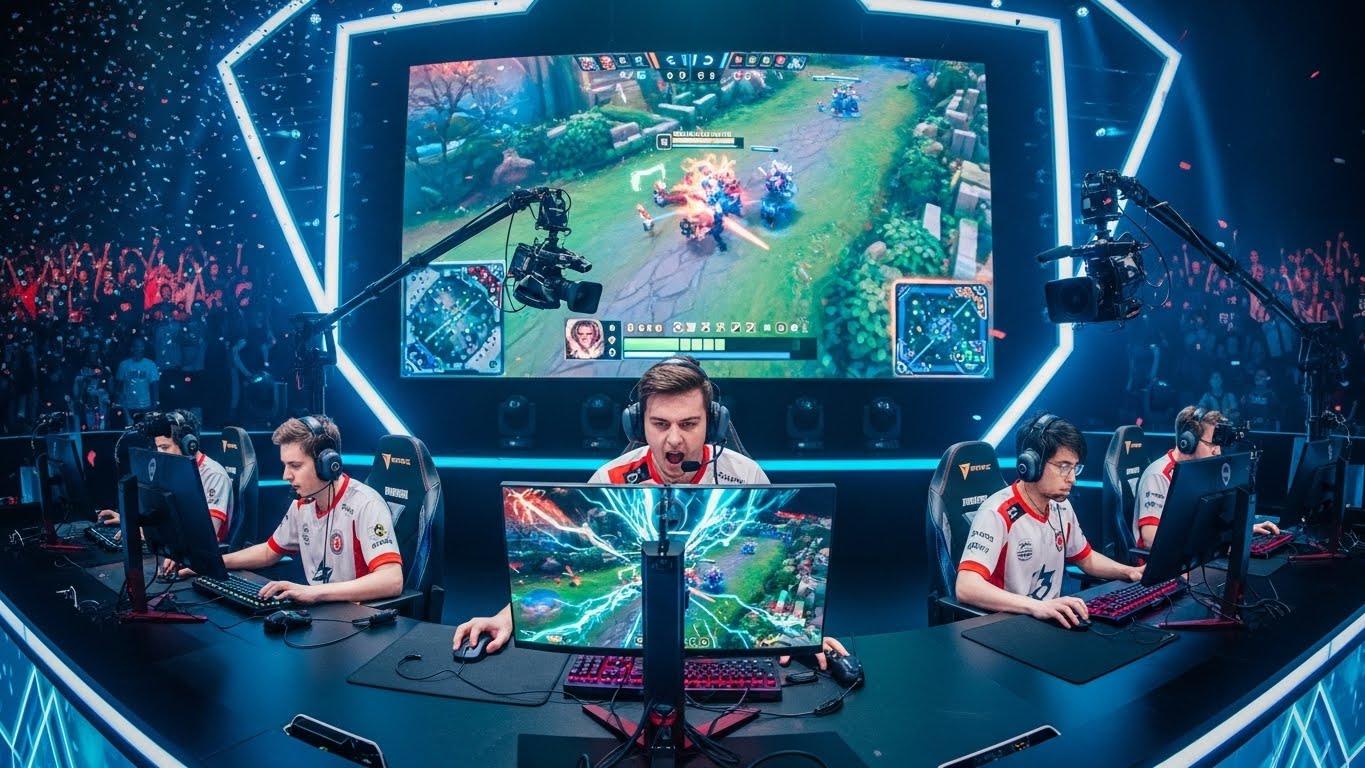
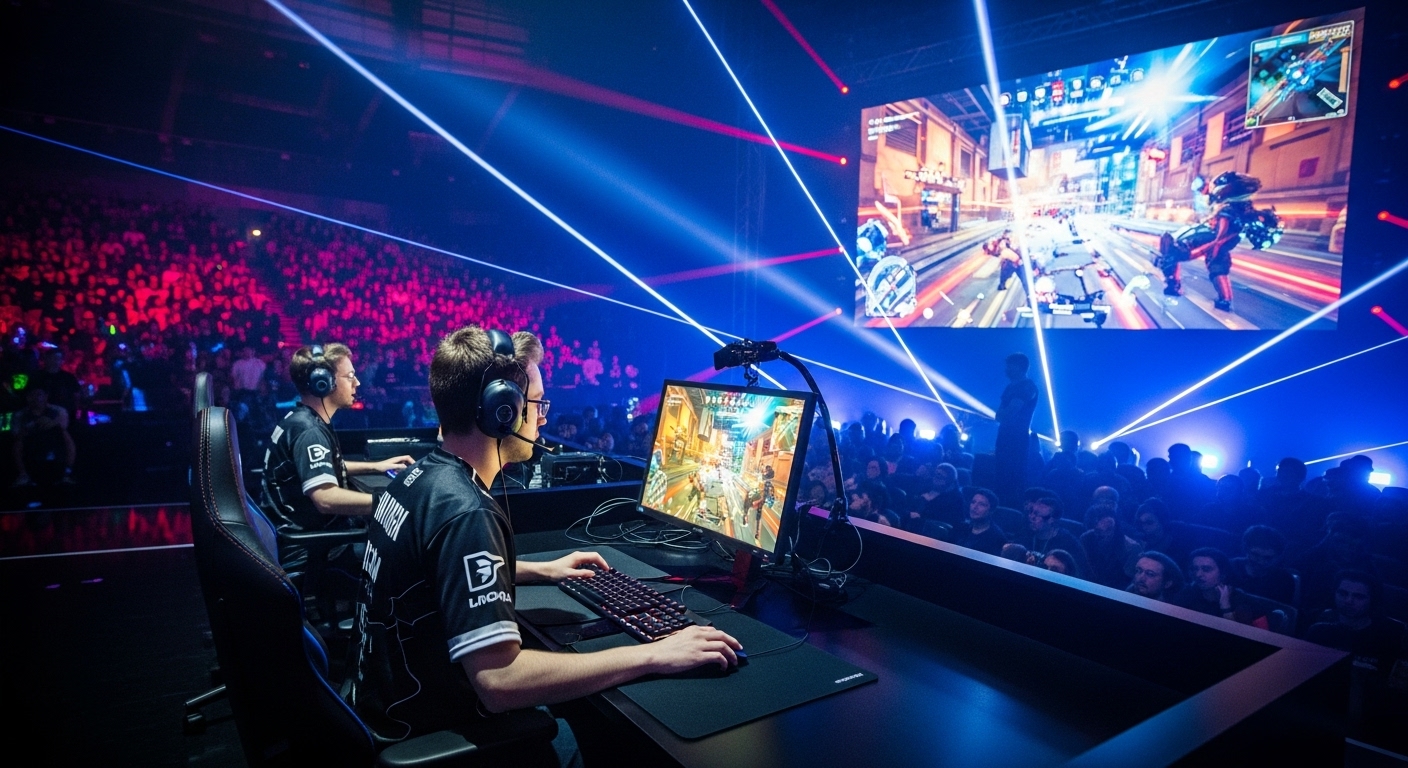
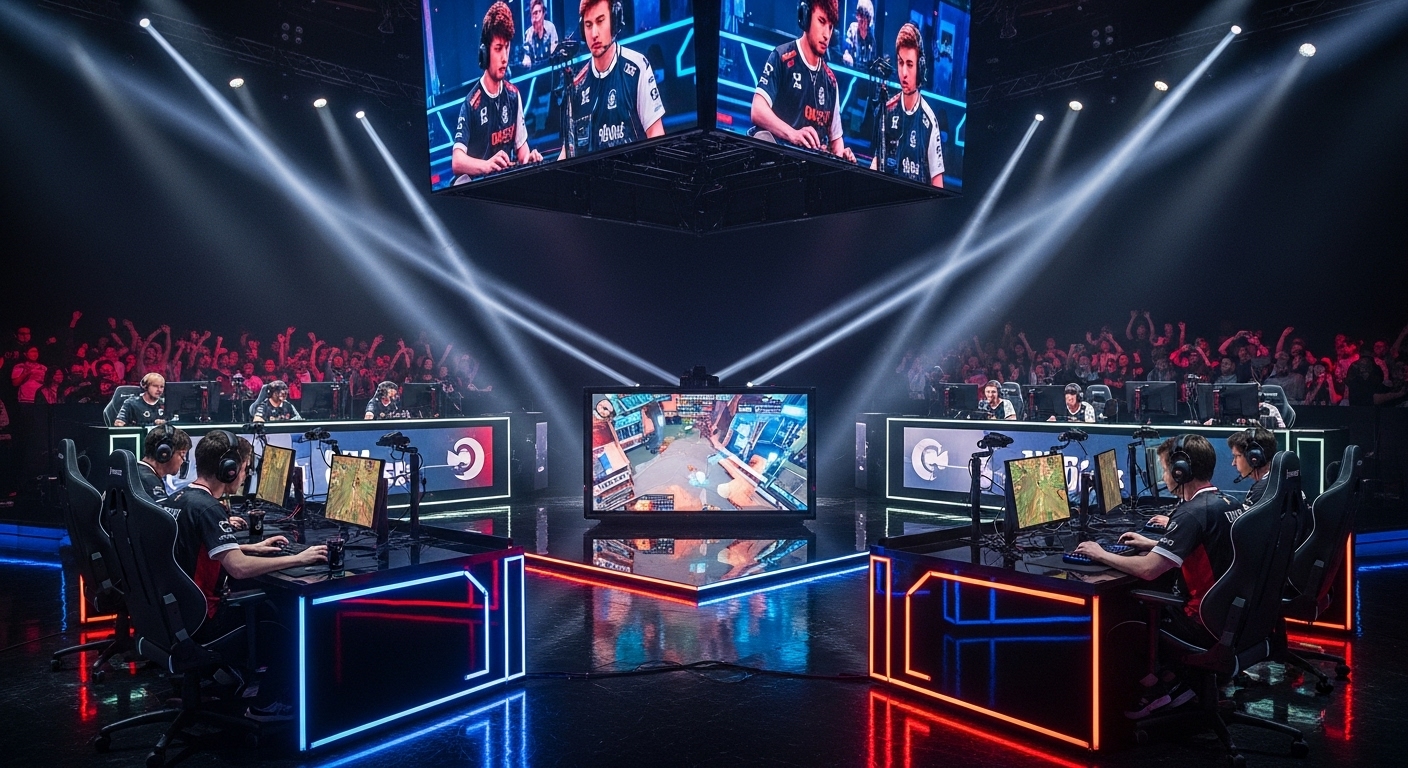
Esports competitions can take many forms, from online tournaments to large-scale events held in packed arenas, often streamed to millions of viewers across the globe. Professional esports players are treated similarly to athletes in traditional sports, with sponsors, contracts, and prize pools that can reach millions of dollars. With the advent of streaming platforms like Twitch and YouTube Gaming, esports events have grown exponentially, and competitive gaming is now firmly entrenched as a mainstream form of entertainment.
The Evolution of Esports: From Hobby to Global Industry
In its early days, esports existed primarily in local gaming communities. Competitions were informal, often taking place at LAN (local area network) parties or small online tournaments. The first major esports tournaments were held in the late 1990s and early 2000s, but it wasn’t until the mid-2000s that the industry began to see significant growth. This was when games like StarCraft in South Korea began to gain a professional following, and gaming tournaments such as the World Cyber Games and Electronic Sports World Cup began to make a name for themselves globally.
As internet speeds improved and online gaming became more accessible, esports found a global audience. Platforms like Twitch, which launched in 2011, revolutionized the way fans consumed esports content. Players and teams could stream their games live, attracting followers who would tune in to watch competitions in real-time. The rise of streaming platforms created a new breed of esports celebrities — popular streamers and professional gamers who could amass huge audiences and generate significant income through sponsorships and donations.
One of the defining moments for esports came in 2011 with the launch of League of Legends, a multiplayer online battle arena (MOBA) game that has since become one of the most popular esports titles in the world. Its massive following and frequent updates helped maintain its position as a staple in the esports community, while also encouraging the development of other games and their competitive scenes.
By the mid-2010s, major brands, from Coca-Cola to Intel, started investing in esports, and massive tournaments with million-dollar prize pools began to dominate the scene. This transformation culminated in the arrival of multi-million-dollar franchises like the Overwatch League and the League of Legends Championship Series, which solidified esports as a viable professional sport with a global audience.
The Business Side of Esports: Sponsorships, Revenue, and Growth
One of the key factors that has contributed to the growth of esports is its enormous financial backing. Sponsorships and advertising have become a central pillar of the esports economy, with large brands looking to tap into the highly coveted, tech-savvy, and largely youthful audience that esports commands.
Sponsorships and Partnerships
Esports has attracted significant investment from a wide range of industries, particularly tech, gaming, energy drinks, and even apparel. Sponsorships come in many forms, such as team endorsements, event sponsorships, and even in-game advertisements. Companies like Red Bull, Alienware, and Logitech have sponsored professional players and tournaments, while gaming hardware manufacturers such as Intel and NVIDIA play a crucial role in supporting the infrastructure of esports events.
Esports has also caught the attention of mainstream sports organizations. The NBA, NFL, and FIFA have all ventured into esports, either by supporting tournaments based on their own sports or by sponsoring esports teams. The increasing involvement of large corporations is a clear sign of the potential profitability and reach of the esports industry.
Prize Money and Player Earnings
Prize pools for major esports tournaments can rival those of traditional sports events. For instance, The International, the world championship for Dota 2, regularly boasts a prize pool of over $30 million, much of which is funded by player-driven crowd funding through the game’s community. This incredible sum makes it one of the largest prize pools in the history of competitive gaming.
Top players, who make up professional teams, earn significant salaries as well as additional income from sponsorships and streaming. While the earnings are still not on par with mainstream sports, they are steadily increasing, and many esports players can earn more than traditional athletes in certain cases, particularly in the online streaming domain.
Furthermore, as esports grows globally, more job opportunities are created. Beyond players, coaches, analysts, casters, content creators, and social media managers are now integral parts of the esports ecosystem, further boosting the financial potential of the industry.
The Esports Ecosystem: Teams, Players, and Competitions
The world of esports is highly structured, with professional players, teams, coaches, analysts, and broadcasters all contributing to the competitive environment. The esports ecosystem mirrors that of traditional sports, with leagues, tournaments, and team organizations operating on an international scale.
Teams and Players
Esports teams are made up of highly skilled players who focus on specific games. These teams are typically organized into leagues and play regularly in competitions across the globe. The best teams in the world represent their respective countries or regions, with some players earning recognition as stars in their games. For instance, players like Faker (League of Legends) and s1mple (Counter-Strike: Global Offensive) have become household names, with legions of fans who follow their every move.
Just like in traditional sports, esports teams hire coaches, analysts, and even psychologists to improve their players’ performance. Professional esports players spend hours each day practicing and analyzing game mechanics, strategies, and opponent tactics to maintain their edge. Their training and commitment to the game resemble the discipline seen in traditional sports.
Leagues and Tournaments
Esports leagues and tournaments are held on local, regional, and international levels. Major tournaments like The International (Dota 2), League of Legends World Championship, and Call of Duty World League attract millions of viewers and offer prize pools in the millions. These events are typically broadcast live on streaming platforms like Twitch, where fans can watch the action unfold in real time, interact with other viewers, and even participate in live discussions.
The competitive structure of esports is unique because it has the ability to support a large number of professional players across different games simultaneously. Unlike traditional sports, where only a few games dominate the landscape, esports features a wide variety of titles, all offering their own tournaments and competitive scenes.
The Social Impact of Esports: Changing the Way We See Gaming
One of the most fascinating aspects of the rise of esports is its impact on the gaming culture. What was once seen as a solitary or even antisocial activity is now regarded as a legitimate form of competition and entertainment. Gaming communities have become global hubs for interaction, and esports has helped redefine the social aspects of gaming.
Esports has helped break down barriers by fostering a sense of community among gamers. Fans from different parts of the world, regardless of nationality, language, or background, can come together to cheer for their favorite teams or players. Events like The International bring thousands of fans to live venues and millions more to watch online, creating a global sense of unity among fans of all ages.
In addition, esports has brought gaming into the mainstream, dispelling stereotypes about gamers being isolated or disengaged. Esports athletes, who are often as famous as traditional sports stars, are admired for their skill, dedication, and achievements, making gaming a more accepted and respected activity in society.
The Future of Esports: Where is the Industry Heading?
As esports continues to grow, the future looks incredibly bright. The industry is expected to generate billions in revenue over the next decade, with new innovations in virtual reality (VR) and augmented reality (AR) making the experience more immersive. Mobile esports is also a rapidly growing segment, particularly in regions like Southeast Asia, where mobile gaming is immensely popular.
Additionally, the potential for esports to become a part of the Olympic Games has been discussed in recent years, with esports being included as a demonstration event in the 2022 Asian Games. Although the road to Olympic inclusion is still uncertain, the growing recognition of esports as a legitimate sport is undeniable.
The rise of esports also presents opportunities for education and career development. Esports scholarships are becoming increasingly common at colleges and universities, allowing students to pursue their passion for gaming while obtaining a degree. This further cements esports’ place as a legitimate career path.