





Introduction: From Pixels to Prestige
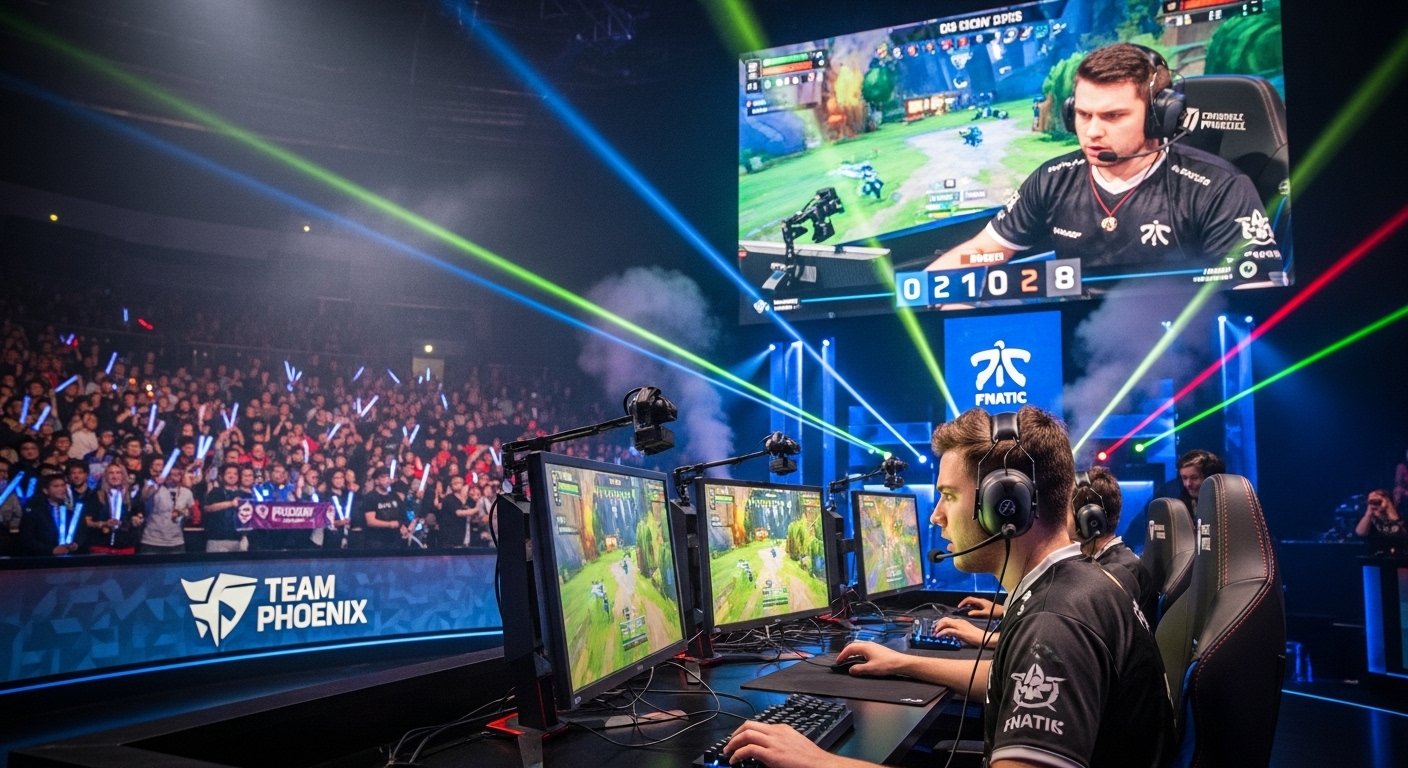
In recent years, the world of competitive gaming has transformed from a niche pastime into a global phenomenon. Once dismissed as a hobby for teenagers in their bedrooms, esports has now become a legitimate form of entertainment, attracting millions of viewers, professional players, and investors worldwide. Unlike traditional sports, esports thrives entirely in the digital realm, yet it mirrors many of the same principles—dedication, strategy, teamwork, and resilience. This blog explores how esports has evolved, its cultural and economic impact, and why it is here to stay as a major force in entertainment.
Understanding Esports: More Than Just Gaming
Esports, short for electronic sports, refers to organized competitive video gaming. It involves professional players competing individually or in teams to achieve victory in a structured format. Popular esports genres include first-person shooters, real-time strategy games, multiplayer online battle arenas, fighting games, and sports simulations. Each game requires unique skills, such as reflexes, coordination, decision-making, and strategic thinking. What sets esports apart from casual gaming is its competitive intensity, professional infrastructure, and the growing global community that supports it.
The Evolution of Esports: From LAN Parties to Global Tournaments
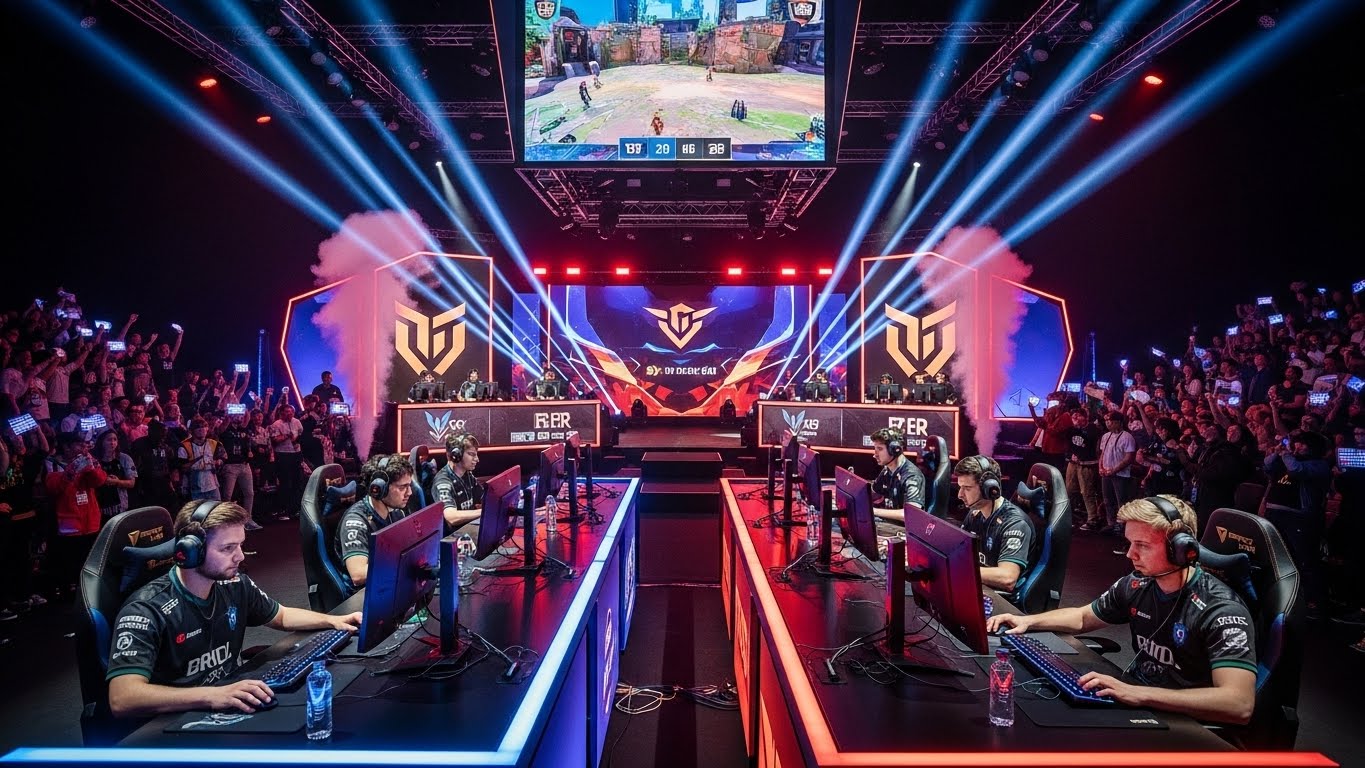
The journey of esports began in the 1970s and 1980s, with small-scale arcade competitions and local gaming tournaments. By the 1990s, games like StarCraft, Quake, and Counter-Strike laid the foundation for competitive gaming as we know it today. The emergence of high-speed internet in the 2000s allowed players from different regions to compete online, transforming local competitions into global events. Modern esports now attracts audiences that rival major sports leagues, with events held in arenas, broadcasted on television, and streamed online to millions of viewers simultaneously.
Professionalization of Esports: Players, Teams, and Infrastructure
Professional esports mirrors traditional sports in many ways. Players are scouted, trained, and managed by organizations that handle everything from contracts and sponsorships to media appearances. Teams often consist of multiple players, coaches, analysts, and support staff, all working to maximize performance. Esports players dedicate hours daily to practice, studying strategies, improving reflexes, and maintaining mental focus. Many top-level tournaments offer prize pools in the millions, creating viable careers for individuals who excel in this digital arena.
Training Regimens: Discipline Beyond the Screen
Contrary to common misconceptions, esports requires intense discipline. Professional players often follow strict daily routines that include practice, review sessions, strategy meetings, physical exercise, and mental conditioning. Physical health is crucial as long gaming sessions can lead to strain, fatigue, and posture-related issues. Teams may hire fitness trainers, nutritionists, and psychologists to ensure players maintain peak performance. Just like athletes in traditional sports, esports players understand that talent alone is insufficient—success depends on preparation, teamwork, and mental resilience.
The Role of Technology in Esports Growth
Technology has been a key driver behind the meteoric rise of esports. High-performance gaming PCs, consoles, and peripherals allow players to execute strategies with precision. Streaming platforms have revolutionized how audiences engage with esports, providing live coverage, interactive experiences, and global access. Advances in virtual reality and augmented reality are beginning to expand the potential of esports even further, creating immersive experiences that blur the lines between reality and the digital world.
Esports as a Global Community
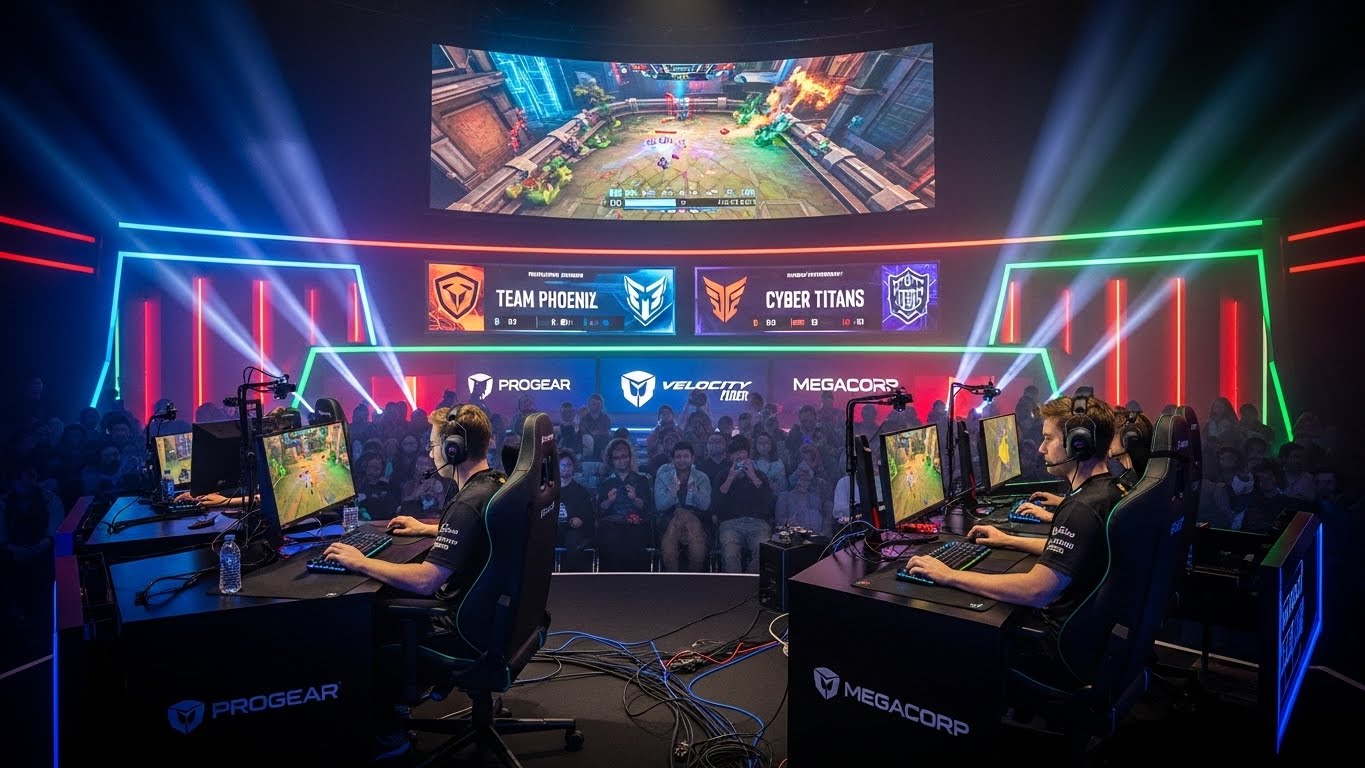
One of the most fascinating aspects of esports is its ability to connect people across continents. Unlike traditional sports, esports can be played and watched by anyone with an internet connection. Communities form around games, with fans discussing strategies, analyzing matches, and supporting their favorite teams. Tournaments often feel like festivals, combining music, cosplay, and entertainment with intense gameplay. The global nature of esports allows diverse cultures and languages to coexist within the same space, creating a unique digital community that transcends borders.
Economic Impact: The Business of Competitive Gaming
The esports industry is a multi-billion-dollar enterprise. Revenue streams include tournament prize money, sponsorships, advertising, merchandise sales, and media rights. Brands are eager to connect with esports audiences, which are often younger, digitally engaged, and highly interactive. The industry also offers career opportunities beyond players, including content creation, event management, marketing, game development, and broadcasting. This economic ecosystem ensures that esports is more than just entertainment—it is a serious business with long-term growth potential.
Esports in Education: Scholarships and Skill Development
Educational institutions have begun to recognize esports as a legitimate avenue for student development. Schools, colleges, and universities now offer esports programs that teach teamwork, leadership, strategic thinking, and communication skills. Scholarships are available for talented players, allowing them to pursue higher education while continuing their competitive careers. Additionally, esports can be integrated into academic learning, with games being used to teach problem-solving, coding, and even mathematics. These programs illustrate how esports is gradually being embraced as both an educational and professional opportunity.
Challenges in the Esports Industry
Despite its growth, esports faces challenges that must be addressed for long-term sustainability. Player burnout is a common issue due to long hours of practice and intense competition. Mental health support is increasingly important as players face public scrutiny and high expectations. Fair competition is another concern, with cheating, hacking, and match-fixing occasionally threatening the integrity of tournaments. Additionally, as the industry grows, regulatory frameworks, standardized rules, and player protections will be essential to maintain fairness and credibility.
The Future of Esports: Innovation and Expansion
The future of esports promises even more innovation. Emerging technologies like virtual reality, cloud gaming, and AI-assisted training tools are poised to revolutionize gameplay and viewing experiences. Global tournaments may become more inclusive, integrating cross-platform play and reaching previously untapped audiences. Collaboration with traditional sports leagues could create hybrid events that attract fans from both domains. As esports continues to evolve, it will redefine entertainment, influence culture, and offer opportunities that extend far beyond gaming itself.
Conclusion: The Digital Frontier of Competitive Entertainment
Esports has grown from humble beginnings into a thriving industry that blends competition, technology, and culture. It challenges traditional notions of sports while offering unique opportunities for players, fans, and businesses alike. With professional infrastructure, global communities, and innovative technology driving growth, esports is more than just a passing trend—it is a defining aspect of modern entertainment. As the digital frontier continues to expand, esports will play a central role in shaping how we engage with games, culture, and competition.