





Introduction: The Rise of a Digital Phenomenon
In the modern era, sports are no longer confined to physical arenas, courts, or fields. A new type of competition has emerged, one that thrives in the digital world and draws millions of fans worldwide. This is the world of esports, or electronic sports, where video games are played competitively at a professional level. What began as casual gaming in the arcades of the 1970s and 1980s has transformed into a billion-dollar industry with professional teams, high-stakes tournaments, and a global audience rivaling that of traditional sports.
Esports is more than just gaming; it is a cultural movement, an entertainment industry, and a career path for millions of people. It combines strategic thinking, lightning-fast reflexes, teamwork, and mental endurance, creating a unique competitive ecosystem. In this blog, we will explore the origins of esports, its growth into a professional industry, the games that defined it, and the challenges and opportunities it faces today.
The Origins of Esports: From Arcades to Early Competitions
The roots of competitive gaming can be traced back to the 1970s, when simple video games like Pong and Space Invaders captured the imagination of players around the world. The first known video game competition was held at Stanford University in 1972, where students competed in Spacewar! for a modest prize of a magazine subscription. This event, though small in scale, marked the beginning of organized gaming competitions.
Throughout the 1980s, arcades became the central hub for competitive gaming. Games like Pac-Man, Donkey Kong, and Tetris introduced local leaderboards, which allowed players to compete for high scores and bragging rights. These competitions were the early seeds of what would evolve into professional esports.
The 1990s brought personal computers and home gaming consoles into the spotlight. Multiplayer modes in games like Doom and Quake enabled players to connect over local networks and later the internet. These early online competitions helped cultivate global communities and laid the groundwork for modern esports.
The Internet Revolution: Connecting Players Worldwide
The late 1990s and early 2000s marked a pivotal period for esports with the expansion of the internet. Online connectivity allowed gamers to compete with each other across continents in real time, transforming casual play into organized competitions.
Games such as StarCraft, Warcraft III, and Counter-Strike became pioneers of professional esports. South Korea, in particular, played a critical role in developing competitive gaming as a mainstream sport. The nation’s robust internet infrastructure and gaming culture gave rise to professional leagues, televised tournaments, and dedicated gaming arenas. Players trained full-time, often living in team houses to maximize practice and teamwork.
This era demonstrated the potential for esports as both entertainment and a career, attracting sponsors and media attention. As the industry expanded globally, the foundation was set for the modern esports ecosystem.
Games That Shaped the Esports Landscape
Esports is not limited to a single game; it encompasses multiple genres, each with its own competitive scene, fan base, and tournament structure.
First-Person Shooters (FPS)
FPS games like Counter-Strike: Global Offensive, Call of Duty, and Overwatch test players’ reflexes, precision, and tactical coordination. FPS tournaments remain among the most popular and profitable competitions in esports, attracting large audiences both online and in live arenas.
Multiplayer Online Battle Arenas (MOBA)
Games such as League of Legends and Dota 2 have redefined team-based competitive gaming. Players must execute complex strategies, communicate efficiently, and adapt to ever-changing situations on the virtual battlefield. Annual tournaments like The International and the League of Legends World Championship offer massive prize pools and draw millions of viewers.
Battle Royale Games
With games like Fortnite and PUBG, battle royale introduced survival mechanics and large-scale competition to esports. These games have captured the attention of younger audiences and brought gaming into mainstream pop culture, with high-profile tournaments broadcast globally.
Sports Simulation Games
Titles such as FIFA, NBA 2K, and Rocket League bridge the gap between traditional sports and digital competition. These games attract fans who appreciate both the authenticity of the sport and the skill required to compete virtually.
Fighting Games
Games like Street Fighter, Tekken, and Super Smash Bros. highlight individual skill, reflexes, and mental fortitude. Fighting game tournaments continue to thrive with dedicated fan bases worldwide, showcasing one-on-one competition at its finest.
From Hobbyists to Professionals: The Life of an Esports Athlete
Becoming a professional esports player requires far more than casual gaming. Players dedicate countless hours to honing their skills, analyzing strategies, and working with coaches to improve performance. Professional esports teams often operate like traditional sports organizations, with managers, nutritionists, psychologists, and training facilities.
A typical day for a professional player might include hours of practice, strategy discussions, scrimmages with other teams, and fitness training to maintain physical health. Hand-eye coordination, quick decision-making, and communication skills are critical, and even minor mistakes can impact the outcome of a match.
Top players can earn substantial incomes through tournament winnings, salaries, streaming, and sponsorships. Beyond individual players, careers in esports have expanded to include coaches, analysts, event organizers, content creators, and technical specialists.
The Economics of Esports: A Billion-Dollar Industry
Esports has grown into a multi-billion-dollar industry with diverse revenue streams. Sponsorships, media rights, advertising, merchandise, ticket sales, and game publisher support all contribute to the financial ecosystem. Brands from outside gaming, including tech companies, beverage corporations, and automotive brands, sponsor tournaments and teams, recognizing the value of esports’ younger and digitally connected audience.
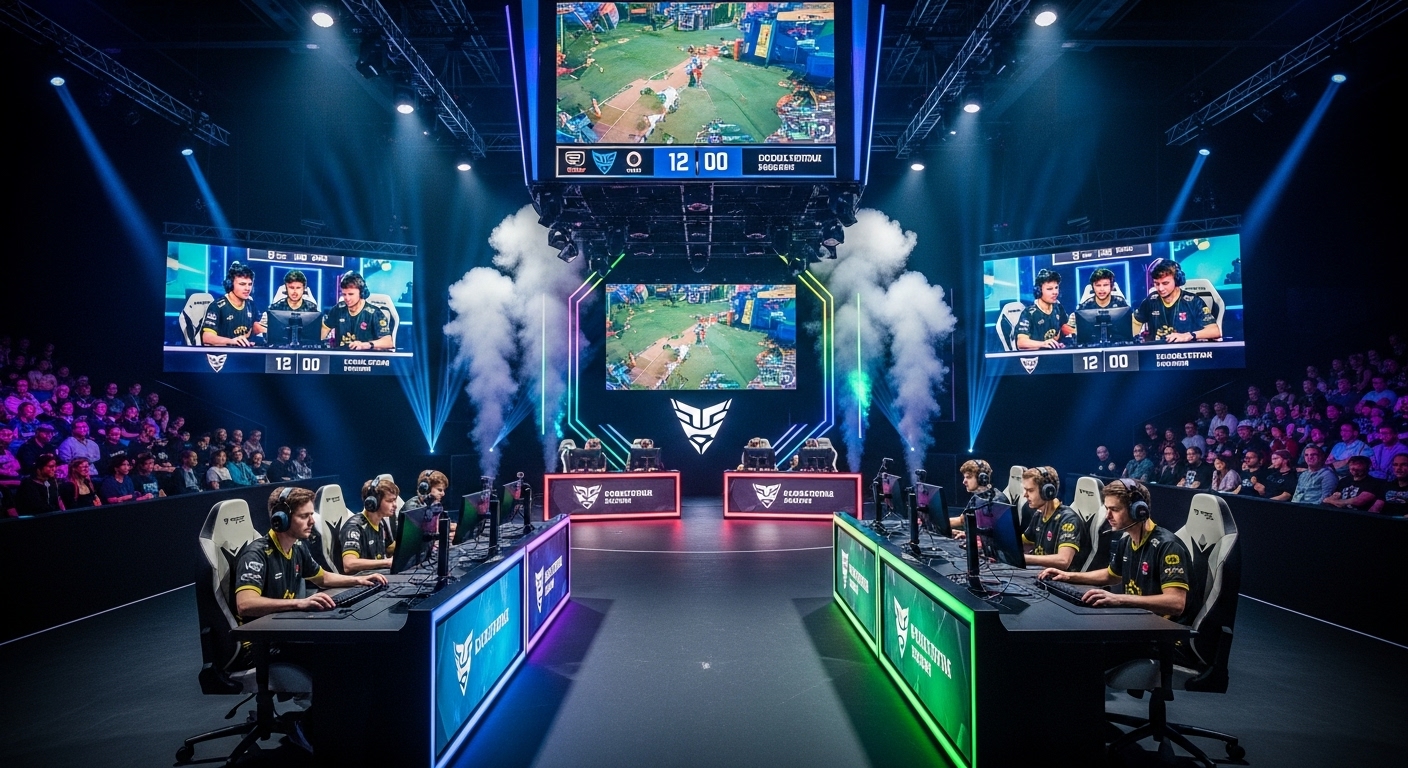
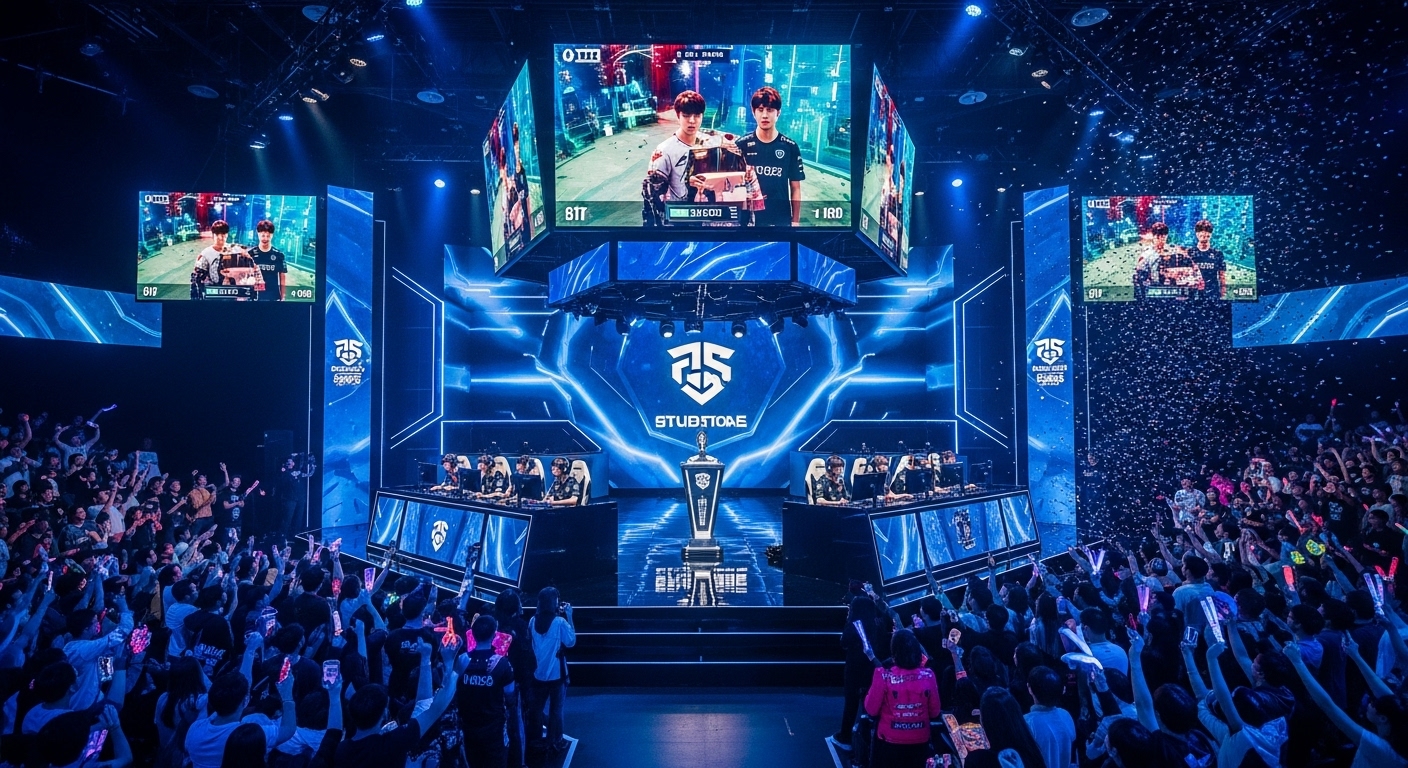
Major tournaments now rival traditional sporting events in scale and production quality. Arenas are filled with cheering fans, and live streams attract millions of viewers worldwide. Esports organizations operate with business models similar to professional sports franchises, emphasizing brand building, fan engagement, and long-term growth.
Streaming and the Digital Fan Experience
Streaming platforms such as Twitch and YouTube Gaming have revolutionized how fans consume esports. Viewers can watch live matches, interact with players through chat, and even participate in online communities. This level of engagement creates a highly interactive fan experience, different from traditional broadcast sports.
Streaming has also created alternative career paths for gamers. Many players who are not part of professional teams can build followings and monetize their content through subscriptions, donations, and sponsorships. This accessibility has contributed significantly to the popularity and growth of esports as a cultural phenomenon.
Education and Esports: New Opportunities for Students
Educational institutions are increasingly embracing esports as both an academic and extracurricular activity. Colleges and universities now offer esports scholarships, degree programs in game design, digital media, and esports management, and competitive collegiate leagues.
Participation in esports at the educational level teaches valuable skills such as teamwork, leadership, communication, strategic thinking, and problem-solving. Schools and colleges act as breeding grounds for the next generation of professional players, coaches, and esports professionals.
Mental and Physical Health in Esports
The competitive nature of esports can exert significant pressure on players. Long practice hours, performance anxiety, and public scrutiny can contribute to mental fatigue and burnout. To address this, professional organizations now emphasize mental health support, including counseling, mindfulness training, and structured rest periods.
Physical health is also essential, as repetitive motions and sedentary lifestyles can lead to injuries such as carpal tunnel syndrome, eye strain, and posture-related issues. Maintaining fitness, proper nutrition, and ergonomic setups helps extend players’ careers and enhances overall performance.
Global Influence and Cultural Impact
Esports has become a cultural force, influencing fashion, music, entertainment, and technology. Major events attract international audiences and showcase gaming as a legitimate and respected pursuit. Esports has created global communities that transcend language, geography, and cultural differences, uniting people through shared passion.
Countries like South Korea, China, and the United States have embraced esports at a national level, providing infrastructure, professional leagues, and governmental recognition. This global reach highlights esports’ potential to shape not only entertainment but also social interaction and cultural exchange.
Challenges Facing Esports
Despite its rapid growth, esports faces several challenges.
1. Regulation and Standardization
The absence of a unified global governing body leads to inconsistent rules, tournament formats, and contract management. This can result in disputes and ethical concerns.
2. Player Burnout
Intense training schedules and high expectations can shorten career longevity, highlighting the need for sustainable practices in professional gaming.
3. Diversity and Inclusion
While progress has been made, gender imbalance and toxic behavior in some online communities remain challenges. Promoting inclusivity is essential for the industry’s long-term growth.
4. Financial Sustainability
While top-tier teams thrive, smaller organizations may struggle to remain profitable. Balancing opportunity, investment, and accessibility is crucial for a healthy ecosystem.
Technology as a Driving Force
Technology is central to the esports experience. High-performance computers, fast internet, streaming platforms, and advanced gaming peripherals enable professional play and global connectivity. Emerging technologies such as virtual reality, augmented reality, and cloud gaming promise to create even more immersive and interactive esports experiences.
Artificial intelligence is also transforming the industry by analyzing gameplay, enhancing training methods, and assisting in tournament organization. As technology evolves, esports will continue to push the boundaries of what is possible in competition and entertainment.
The Future of Esports
The future of esports is bright. With continuous technological advancement, mainstream acceptance, and increasing investment, the industry is poised for even greater growth. Esports may one day be included in global sporting events, including the Olympics, as it meets the criteria of skill, discipline, and international competition.
Hybrid events combining live and digital participation will likely become more common, further expanding audience engagement. The integration of esports into education, media, and entertainment ensures that it will remain a major cultural and economic force in the years to come.
Conclusion: A New Era of Competition
Esports has redefined what it means to compete, entertain, and connect in the digital age. From humble beginnings in arcades to international stadiums filled with cheering fans, esports represents the fusion of technology, culture, and human ambition.
For players, it offers the chance to turn passion into profession. For fans, it provides immersive entertainment and community. And for society, it challenges traditional notions of sport and achievement. Esports is no longer the future; it is the present, shaping how we understand competition in a digital world.
As the industry continues to evolve, one thing is clear: the world of esports is leveling up reality itself, creating a global stage where skill, strategy, and dedication know no boundaries.