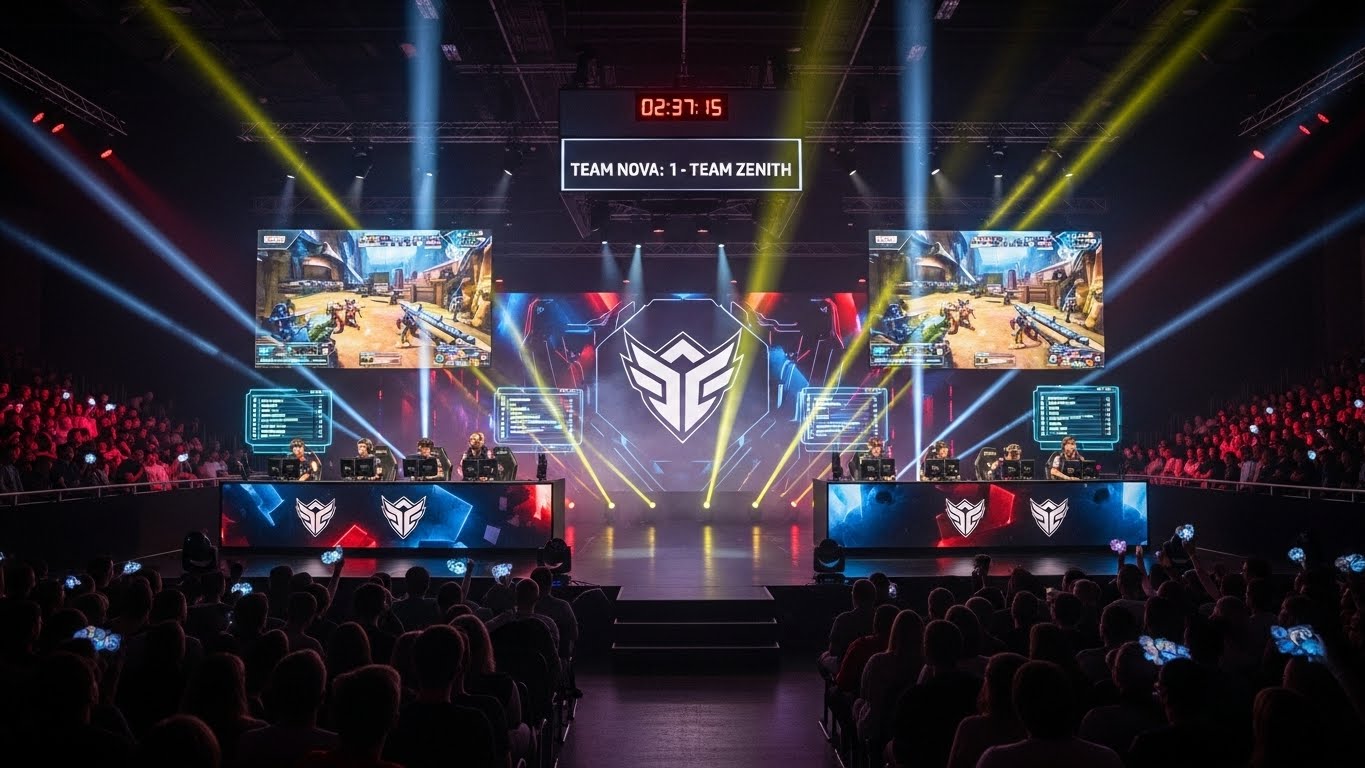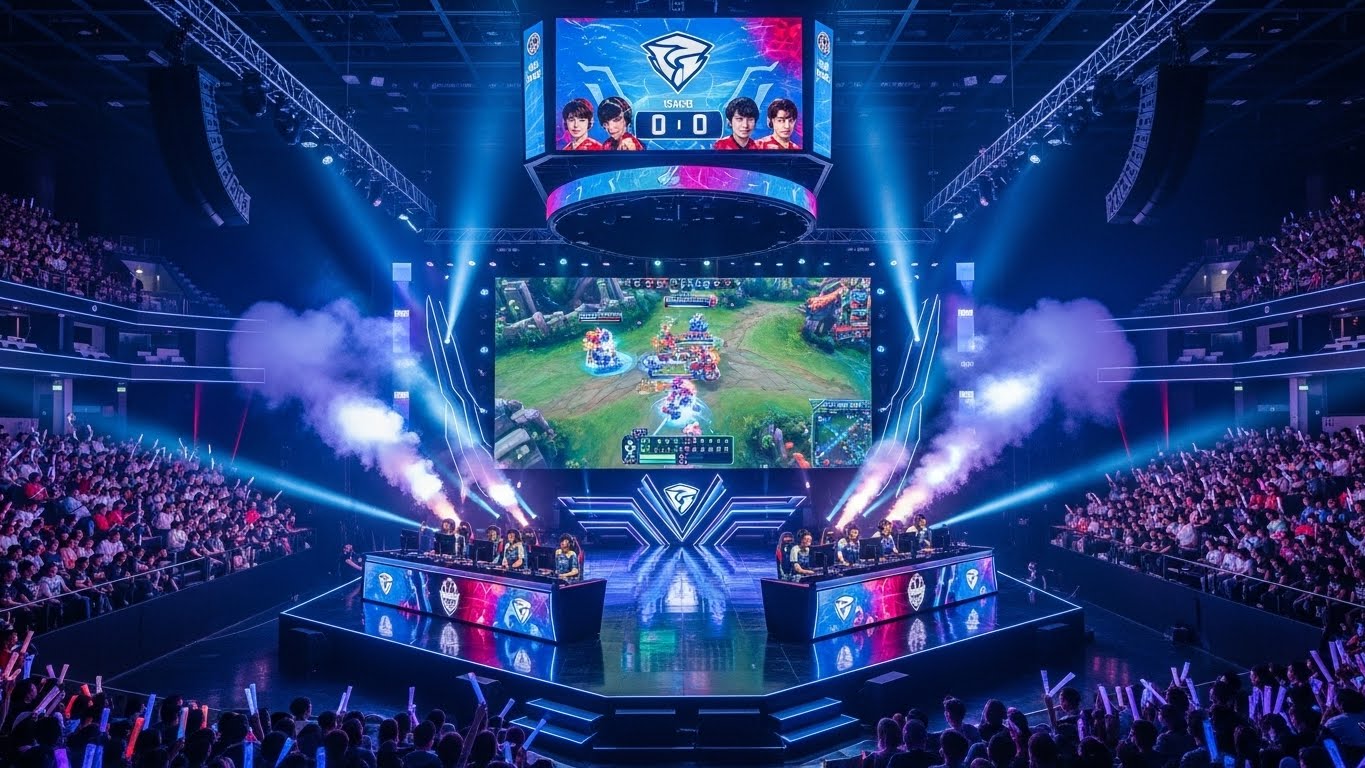







Esports has transformed the way people view gaming. What started as casual competitions among friends has now evolved into a global phenomenon with professional players, massive tournaments, and millions of passionate fans. Esports is not just a game—it’s a thriving industry that combines skill, strategy, and entertainment in an exciting digital arena.
The Growth of Esports
Over the last decade, esports has seen exponential growth. Local competitions have expanded into international tournaments with massive audiences. Games such as League of Legends, Counter-Strike, Dota 2, and Fortnite have become the pillars of professional esports, turning players into celebrities and inspiring new generations of gamers. Sponsorships, streaming platforms, and tournament prize pools have all contributed to making esports a serious career path.
Key Esports Game Genres
Esports spans a wide variety of genres, each offering unique challenges and gameplay experiences:
- Multiplayer Online Battle Arenas (MOBAs): Teams strategize and compete to control objectives and defeat opponents.
- First-Person Shooters (FPS): Fast-paced games requiring precision, reflexes, and tactical thinking.
- Real-Time Strategy (RTS): Players focus on resource management, planning, and strategy execution.
- Battle Royale: Survival-based games where players compete to be the last one standing.
Technology Driving Esports
The esports industry relies heavily on advanced technology. High-performance hardware, fast internet connections, and professional gaming setups allow players to perform at peak levels. Live streaming platforms have revolutionized viewership, connecting millions of fans worldwide. Performance analytics tools provide teams with valuable insights, helping players improve strategies and coordination.
Social and Cultural Impact
Esports is more than just a competition; it’s a community. Players and fans connect through forums, live streams, and social media, creating a shared passion that crosses borders. Esports also bridges the gap between traditional sports and digital gaming, showing that teamwork, skill, and dedication are just as relevant in virtual arenas as they are on physical fields.
The Future of Esports
The future of esports is promising. Emerging technologies like virtual reality, augmented reality, and artificial intelligence will redefine how players compete and how audiences engage with tournaments. With continued growth in global recognition, esports is set to become an integral part of the entertainment industry, offering new experiences for players and fans alike.
Conclusion
Esports has evolved from a hobby into a powerful cultural and technological phenomenon. By combining skill, strategy, and technology, it has created a dynamic world where players and fans can thrive together. As the industry continues to expand, esports will redefine the boundaries of competitive gaming and digital entertainment for years to come.