





Introduction: Entering the World of Esports
In the last decade, the world has witnessed the rise of a new form of competitive entertainment that blends technology, skill, and global fandom—esports. What began as casual video gaming in living rooms and arcades has transformed into a professional, billion-dollar industry. Today, esports tournaments attract millions of viewers worldwide, offer substantial prize money, and feature players who train as rigorously as traditional athletes.
Esports is not just about playing games; it is a fusion of strategy, teamwork, reflexes, and mental strength. It has become a cultural phenomenon, influencing entertainment, education, and even social interactions. In this blog, we will explore the journey of esports, its key players and games, the professional ecosystem, the role of spectators, and its impact on global culture.
The Origins and Evolution of Esports
Competitive gaming has existed for decades, although it was not always recognized as a professional sport. The earliest forms of esports can be traced back to arcade tournaments in the 1970s and 1980s. Players competed for high scores on games such as Space Invaders and Pac-Man, often with little recognition beyond local communities.
The 1990s marked the beginning of online multiplayer games, where players could connect and compete against each other across distances. Titles like Quake and StarCraft became popular for organized competitions, laying the foundation for modern esports.
The early 2000s saw the rise of professional leagues such as the Cyberathlete Professional League and Major League Gaming. These organizations standardized competitions, introduced official tournaments, and created a structure similar to traditional sports leagues. Broadband internet and streaming platforms further accelerated the growth of esports, making it accessible to millions worldwide.
Today, esports has matured into a professional industry with global tournaments, celebrity players, sponsorships, and media coverage. The evolution from small gatherings to massive events illustrates how digital technology has redefined competitive entertainment.
Popular Esports Genres and Games
Esports covers a wide range of games, each requiring distinct skills and attracting different audiences. The diversity of esports genres has contributed to its rapid growth and widespread appeal.
Multiplayer Online Battle Arena (MOBA) Games
MOBA games, such as League of Legends and Dota 2, are among the most popular in esports. These games involve two teams competing to destroy each other’s base while managing resources, coordinating strategies, and mastering individual characters. MOBAs require teamwork, strategy, and quick decision-making, making them ideal for high-level competitive play.
First-Person Shooter (FPS) Games
FPS games like Counter-Strike, Call of Duty, and Overwatch focus on reflexes, aiming accuracy, and team communication. Matches are fast-paced, making them exciting for both players and spectators. FPS games also often feature tactical elements, where positioning, timing, and coordination can determine the outcome of the game.
Battle Royale Games
The rise of battle royale games such as Fortnite and Apex Legends has brought a new dynamic to esports. These games involve large numbers of players competing in shrinking arenas until only one player or team remains. The unpredictability and high-stakes action of battle royale games make them thrilling for viewers and challenging for players.
Sports Simulation and Fighting Games
Sports simulation games like FIFA and NBA 2K bring the excitement of traditional sports to a digital platform, while fighting games such as Street Fighter and Tekken emphasize one-on-one skill and strategy. These genres often appeal to audiences who appreciate the familiarity of sports or enjoy competitive dueling mechanics.
Each of these genres contributes uniquely to esports culture, attracting diverse audiences and building specialized communities.
The Professional Ecosystem of Esports
Esports today is highly structured and professionalized. Behind the scenes of every tournament are teams, organizations, coaches, analysts, and support staff. The ecosystem mirrors traditional sports in many ways, reflecting the growing seriousness and legitimacy of competitive gaming.
Professional Teams and Organizations
Esports teams operate similarly to traditional sports clubs. They recruit top talent, provide training facilities, and maintain dedicated support staff. Teams often have contracts for players, set performance expectations, and invest in their development through academies or training programs.
Coaches, Analysts, and Support Staff
Coaches play a vital role in esports, guiding players through strategies, analyzing opponents, and improving team coordination. Analysts break down gameplay data to identify patterns and develop winning tactics. Physical therapists, nutritionists, and psychologists are increasingly part of esports organizations, recognizing the importance of mental and physical well-being for high-level performance.
Tournaments and Leagues
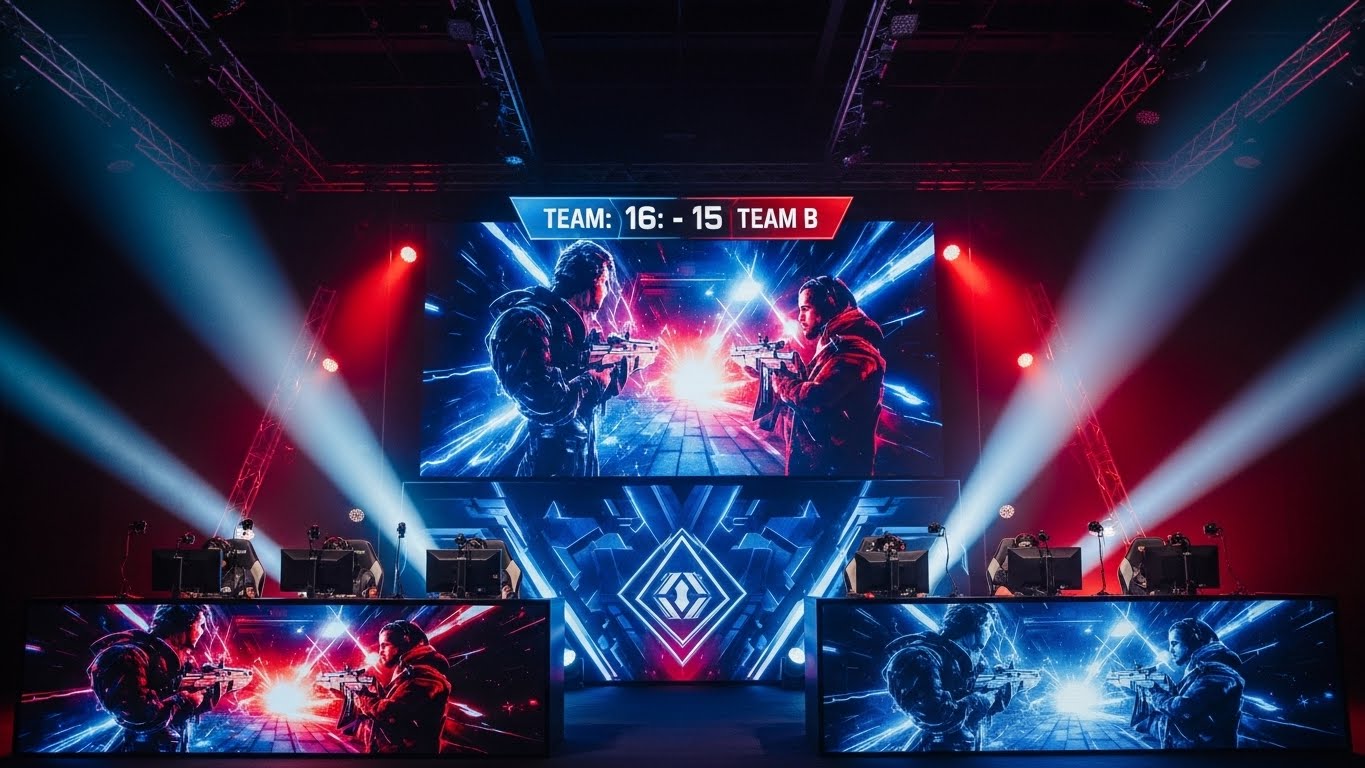
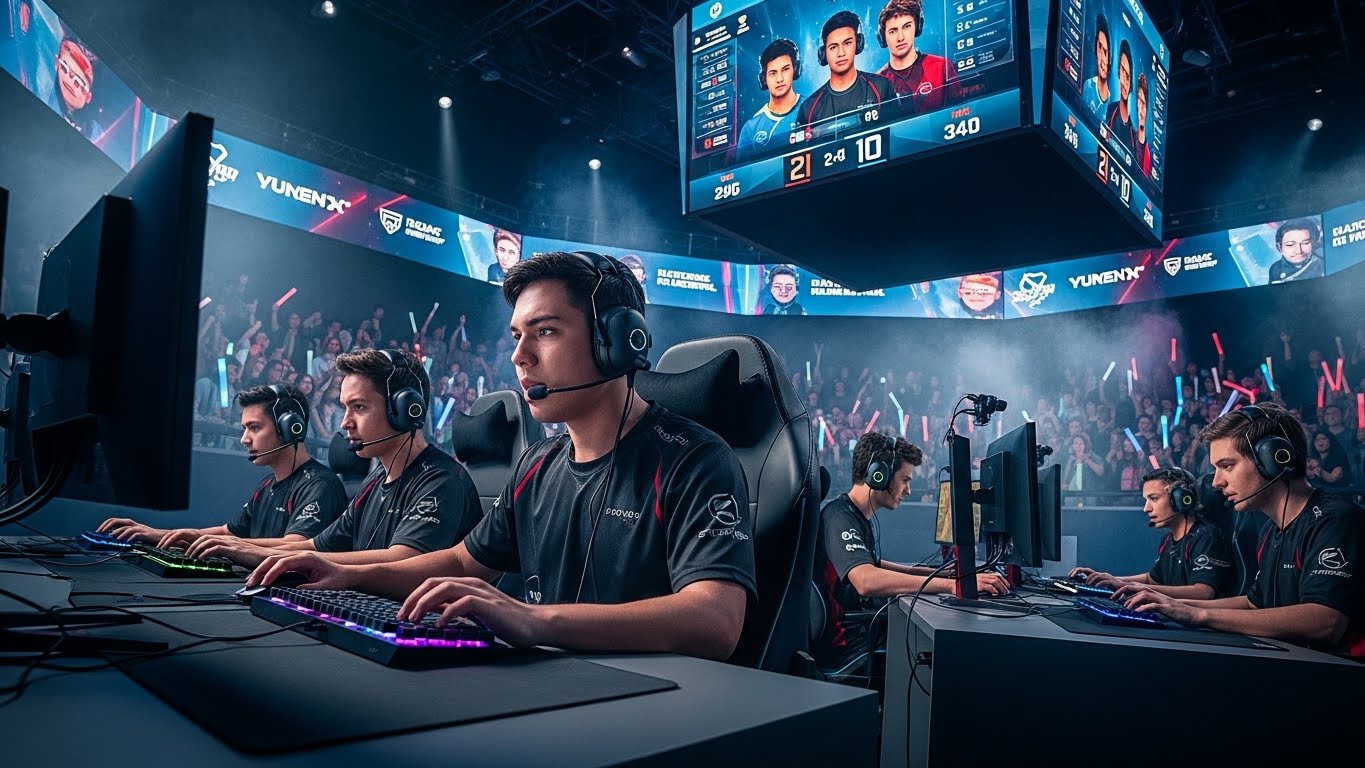
Esports tournaments are held globally, with major events broadcast to millions of viewers online and in stadiums. Regional leagues act as qualifiers for world championships, while prize pools often reach millions of dollars. This competitive infrastructure has created a sustainable career path for players and a thriving industry for organizers, sponsors, and broadcasters.
The Life of an Esports Athlete
Becoming a professional esports player requires dedication, discipline, and skill. Players often train for long hours each day, focusing on mechanics, strategies, and teamwork. Hand-eye coordination, reflexes, and mental resilience are crucial to success.
Unlike casual gamers, esports athletes must balance intense training with proper rest, nutrition, and physical exercise. The pressure to perform on international stages can be intense, and mental health support has become an essential aspect of the profession. Many organizations now employ psychologists and wellness coaches to ensure players maintain both performance and well-being.
Esports careers often start at a young age, and the path to success can be competitive and demanding. The dedication of these athletes reflects the same level of commitment seen in traditional sports.
The Role of Spectatorship
Spectatorship is a defining feature of esports, contributing significantly to its popularity and cultural impact. Millions of fans watch live streams and tournament broadcasts, cheering for their favorite teams and players. Esports commentary adds depth and excitement, with analysts breaking down strategies and highlighting crucial moments.
The spectator experience is highly interactive, with viewers participating in chats, polls, and fan communities. Watching a perfectly executed play or a clutch performance evokes the same thrill as attending traditional sports events. This emotional engagement strengthens the connection between players and fans, creating a vibrant and loyal global community.
Mainstream Acceptance and Cultural Influence
Esports has achieved mainstream recognition in ways that were unimaginable a decade ago. Universities now offer esports scholarships, and many schools have competitive teams. Major media outlets broadcast tournaments, while global brands sponsor players and events.
Traditional sports organizations have also embraced esports, creating teams and leagues that merge digital and physical athletic cultures. This mainstream acceptance has helped esports gain credibility and reach audiences beyond core gaming communities.
Moreover, esports influences fashion, music, entertainment, and social media, becoming a significant part of contemporary culture. The community-driven creativity surrounding esports—from fan art to memes and cosplay—further reinforces its cultural impact.
Economic Impact and Career Opportunities
Esports is more than a competitive pastime; it is a booming industry that generates significant economic activity. Professional players earn salaries, prize money, and sponsorships, while tournaments create revenue through ticket sales, merchandise, and broadcasting rights.
The industry has also created diverse career opportunities beyond playing. Game development, broadcasting, event management, marketing, coaching, and analysis are just a few fields where esports professionals can thrive. Content creators and streamers further expand the ecosystem, engaging audiences and generating revenue from platforms, donations, and sponsorships.
The economic impact of esports is global, offering career opportunities and entrepreneurial potential for millions of people worldwide.
Challenges Facing Esports
Despite its growth, esports faces several challenges. Player burnout, career longevity, and fair compensation remain significant concerns. High-level competition can be mentally and physically exhausting, and young players may struggle with balancing their careers and personal lives.
Regulation and standardization of contracts, player rights, and tournament operations are ongoing issues. Ensuring a fair and healthy competitive environment is essential for the sustainability of the industry.
Additionally, inclusivity and diversity remain areas for improvement. Esports organizations are increasingly working to create welcoming spaces for players of all backgrounds, recognizing that the industry thrives on talent from every corner of the world.
The Future of Esports
The future of esports looks bright and full of innovation. Advancements in virtual reality, artificial intelligence, and streaming technology promise to transform how games are played, watched, and experienced.
As esports continues to professionalize, it is likely to become more integrated with traditional sports, entertainment, and education. New genres, interactive experiences, and global competitions will further expand the reach of esports, creating opportunities for players, fans, and businesses alike.
The growth of esports also signals a cultural shift, where digital skill and strategy are recognized alongside traditional athleticism. This evolution highlights how technology and human creativity can merge to create entirely new forms of competition and entertainment.
Conclusion: Esports as a Modern Arena
Esports has transcended its origins as casual gaming to become a global phenomenon that blends technology, skill, and culture. It embodies the spirit of competition, teamwork, and innovation, attracting millions of players and fans around the world.
From professional athletes to passionate spectators, esports is a thriving ecosystem that continues to grow and evolve. It challenges our perceptions of sports, entertainment, and culture while offering opportunities for careers, creativity, and community building.
In the digital era, esports is more than a game—it is a modern arena where talent, strategy, and passion converge. Its story is far from finished, and as technology and human ingenuity advance, esports will continue to redefine what it means to compete, inspire, and succeed in the 21st century.