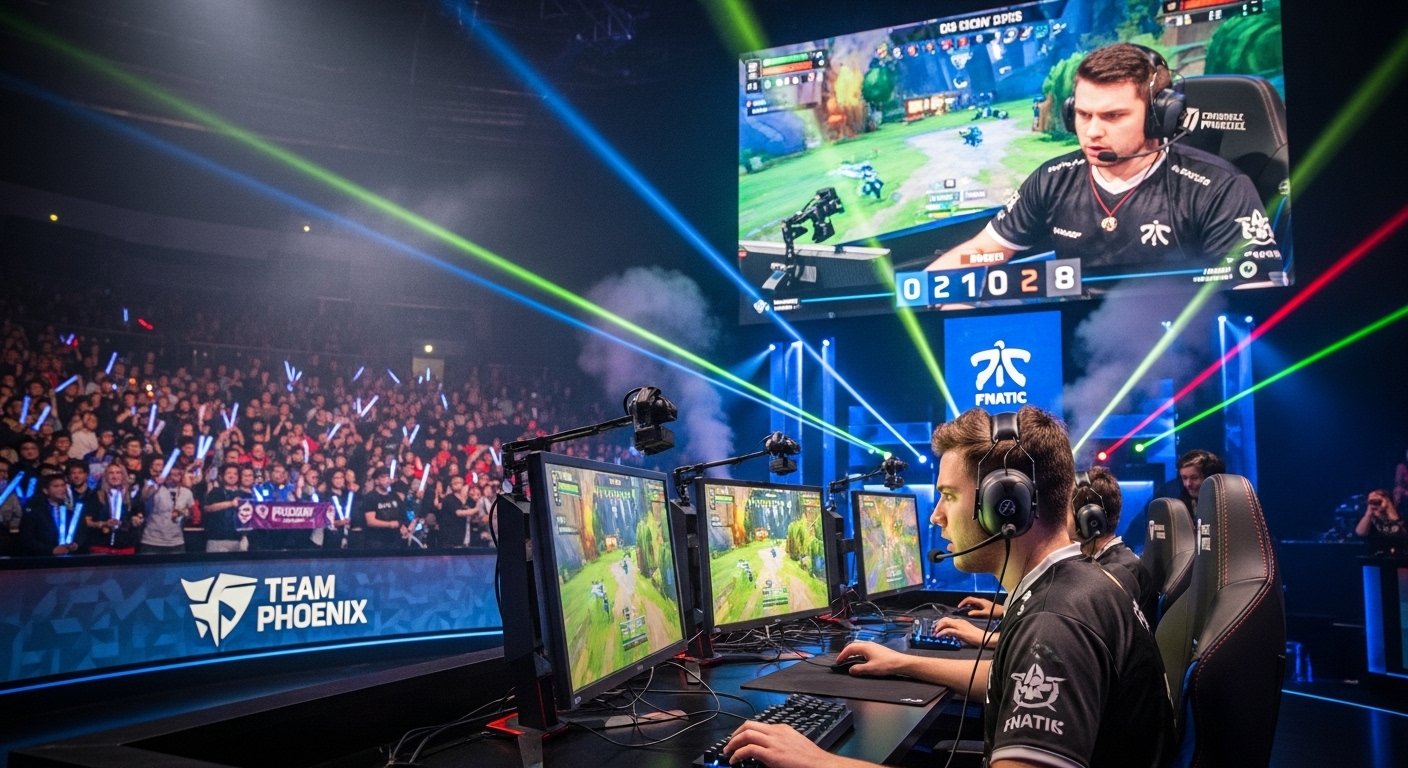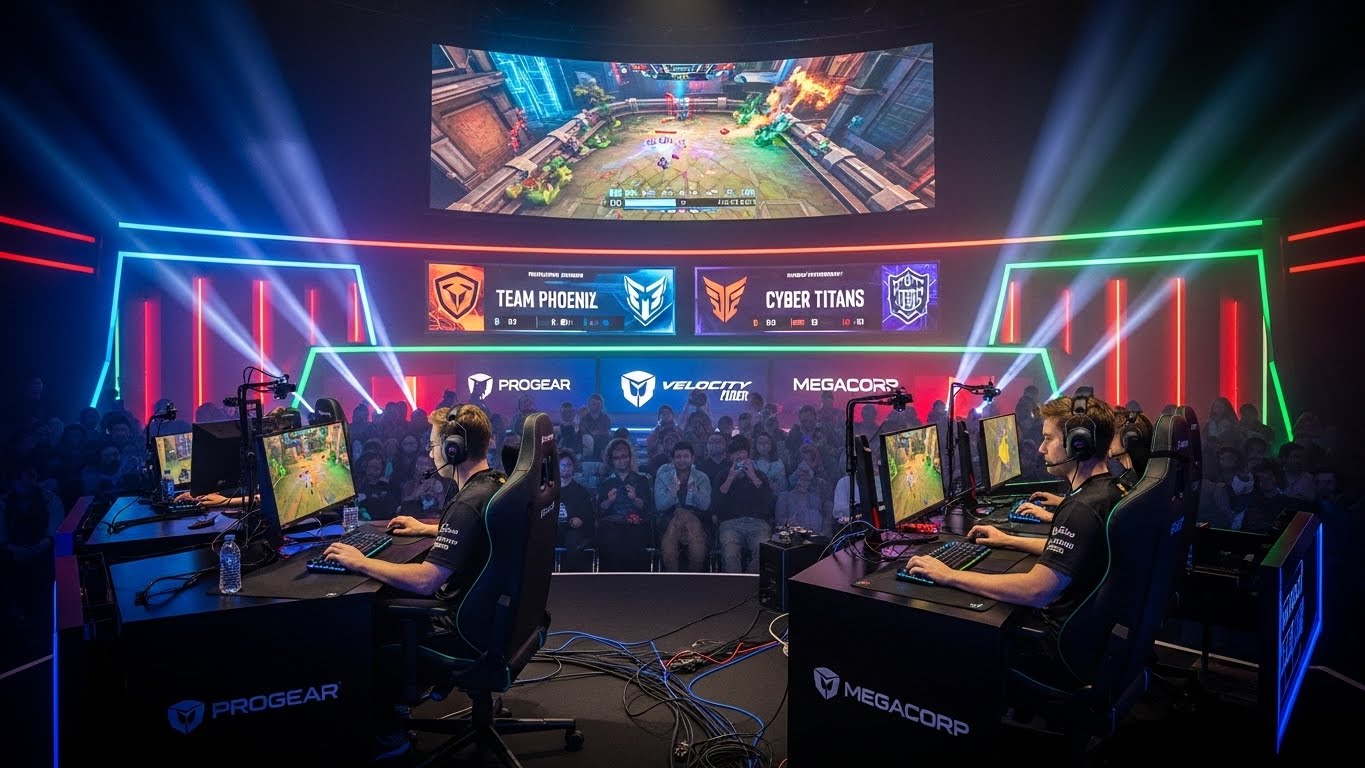






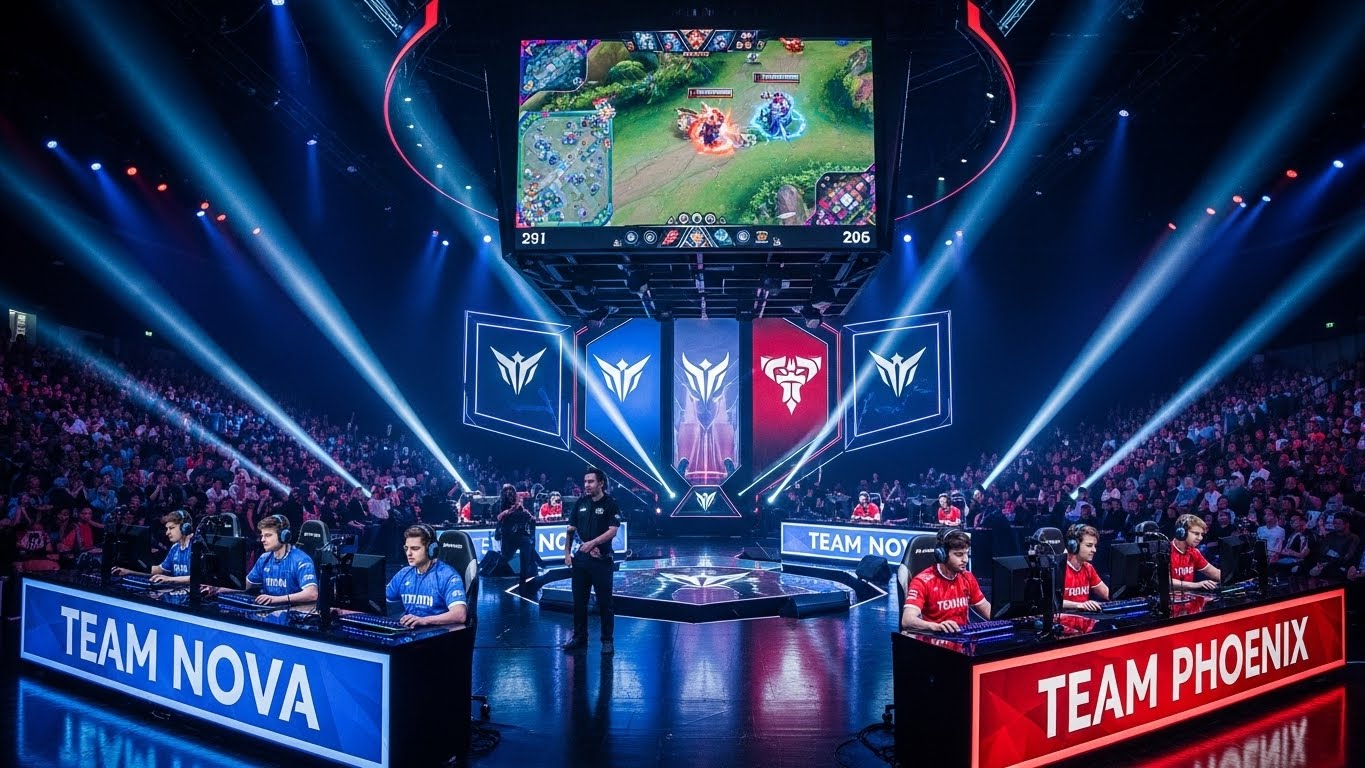
Esports, or electronic sports, has emerged as one of the most influential and rapidly growing sectors in the entertainment and gaming industries. What started as informal video game competitions among friends has transformed into a global phenomenon, attracting millions of players, fans, and investors. Esports is not only reshaping the gaming landscape but also redefining what it means to be a professional athlete in the digital age.
Understanding Esports
At its core, esports refers to organized, competitive video gaming. Players or teams compete in tournaments for prizes, recognition, and professional careers. Esports encompasses a wide variety of genres, including first-person shooters, multiplayer online battle arenas, real-time strategy games, and sports simulations. Popular titles like League of Legends, Dota 2, Counter-Strike, and Fortnite have become household names due to their competitive scenes.
Unlike casual gaming, esports requires intense skill, strategy, and teamwork. Professional players dedicate hours each day to practice, refining their reflexes, game sense, and coordination. This level of commitment has elevated esports to a serious professional pursuit comparable to traditional sports.
The Evolution of Esports
Esports traces its roots to the early days of competitive gaming in arcades and on personal computers. The 1990s saw the rise of LAN tournaments and early online competitions, laying the foundation for today’s global esports ecosystem. As internet connectivity improved and live streaming platforms emerged, esports gained broader visibility, attracting audiences far beyond local communities.
The 2010s marked a turning point, with major tournaments offering multi-million-dollar prize pools and attracting sponsorships from leading brands. Professional leagues, franchised teams, and structured seasons brought esports closer to the traditional sports model, enhancing legitimacy and stability for players and organizations alike.
Popular Esports Genres and Games
Esports spans multiple genres, each requiring different skills and strategies. First-person shooters (FPS) like Counter-Strike: Global Offensive and Call of Duty emphasize precision, reflexes, and tactical coordination. Multiplayer online battle arenas (MOBA) such as League of Legends and Dota 2 require teamwork, strategic planning, and real-time decision-making.
Real-time strategy (RTS) games challenge players to manage resources, units, and battlefield positioning simultaneously. Sports simulations like FIFA and NBA 2K bring traditional sports into the digital arena, allowing players to compete virtually in familiar competitive environments. Each genre appeals to different audiences, contributing to esports’ broad global reach.
The Role of Streaming in Esports Growth
Streaming platforms have been instrumental in the rise of esports. Platforms that allow live broadcasts of gameplay have transformed how audiences consume competitive gaming. Fans can watch tournaments, follow professional players, and engage in real-time chat with other viewers.
Streaming has also created new revenue opportunities for esports athletes and organizations. Through subscriptions, donations, and sponsorship deals, players can earn a living while building their personal brand. The accessibility of streaming has democratized esports viewership, enabling millions of fans worldwide to participate in the culture without leaving their homes.
Esports as a Professional Career
The concept of a professional esports player has gained legitimacy in recent years. Top players often train like traditional athletes, with structured practice schedules, coaching, nutrition plans, and performance analytics. Major teams offer salaries, contracts, and sponsorship deals, making esports a viable career path for skilled players.
Beyond playing, esports offers numerous career opportunities. Commentators, analysts, coaches, event organizers, content creators, and marketing professionals all contribute to the ecosystem. The industry’s growth ensures that aspiring professionals have multiple ways to build a sustainable career within esports.
Esports Tournaments and Leagues
Tournaments are the backbone of esports. From small local competitions to international championships, tournaments attract players and audiences alike. Major events, such as The International for Dota 2 or the League of Legends World Championship, offer multi-million-dollar prize pools and draw millions of viewers worldwide.
Leagues and franchised systems provide a structured competitive environment, similar to traditional sports leagues. These leagues establish regular seasons, team rankings, and playoff structures, enhancing spectator engagement and providing long-term stability for organizations.
Economic Impact of Esports
Esports is not just a cultural phenomenon; it is also a significant economic force. Revenue streams include ticket sales, merchandise, sponsorships, advertising, broadcasting rights, and in-game purchases. The industry generates billions of dollars annually and continues to grow at an impressive rate.
Investment from traditional sports organizations, tech companies, and venture capitalists has accelerated the expansion of esports infrastructure, including dedicated arenas, training facilities, and production studios. This growth stimulates related industries, from gaming hardware and software to digital marketing and media production.
The Social and Cultural Significance of Esports
Esports has created a global community that transcends geographic, linguistic, and cultural boundaries. Fans connect online, share experiences, and celebrate their favorite players and teams. Esports culture promotes teamwork, strategic thinking, and problem-solving while providing a platform for social interaction and collaboration.
Moreover, esports has influenced mainstream culture, inspiring music, fashion, and media content. Professional players have become celebrities, streaming personalities, and brand ambassadors, showcasing the cultural reach and impact of competitive gaming.
Challenges in the Esports Industry
Despite its rapid growth, esports faces several challenges. Competitive integrity, including cheating and match-fixing, remains a concern that organizers must continually address. Ensuring fair play and transparency is critical for maintaining audience trust.
Health and well-being of players are also important issues. Long hours of practice, high stress, and repetitive movements can lead to physical and mental health challenges. Teams and organizations increasingly implement wellness programs, including exercise routines, therapy, and mental health support, to address these concerns.
The industry also faces regulatory and legal hurdles, particularly regarding age restrictions, gambling integration, and international competition. Navigating these complexities requires collaboration between developers, teams, governing bodies, and regulators.
The Future of Esports
The future of esports promises further innovation, growth, and mainstream integration. Virtual reality and augmented reality may redefine competitive gaming, offering immersive experiences for players and spectators alike. Artificial intelligence can enhance gameplay analytics, coaching, and audience engagement.
Esports is likely to expand its presence in education, with programs teaching game strategy, digital skills, teamwork, and media production. High schools and universities worldwide are establishing esports teams, scholarships, and curricula, reflecting the industry’s growing legitimacy.
Cross-platform play and mobile esports will continue to broaden accessibility, allowing more players and fans to engage with competitive gaming. As technology, infrastructure, and investment continue to evolve, esports will become an even more integrated part of the global entertainment landscape.
Esports and Traditional Sports Convergence
Esports and traditional sports are increasingly interconnected. Professional sports organizations are investing in esports teams, while esports competitions borrow elements from traditional sports in terms of branding, sponsorships, and league structures. This convergence provides new opportunities for fan engagement, marketing, and global exposure.
The collaboration between esports and traditional sports also encourages physical activity, strategic thinking, and media literacy among younger audiences. Esports is not replacing traditional sports but complementing them by offering alternative avenues for competition, entertainment, and cultural participation.
Conclusion
Esports has evolved from informal gaming competitions to a global, multi-billion-dollar industry. With professional players, international tournaments, and passionate communities, competitive gaming has redefined what it means to be entertained and engaged in the digital age.
The industry’s growth is fueled by technology, social connectivity, and cultural relevance. Streaming platforms, immersive gameplay, and interactive experiences have made esports more accessible and engaging than ever before. Beyond entertainment, esports provides career opportunities, educational pathways, and economic benefits, solidifying its role in modern society.
Challenges remain, including player well-being, regulatory oversight, and competitive integrity. However, the future of esports is bright, with emerging technologies, expanded accessibility, and mainstream recognition driving continued innovation. Esports represents not only the evolution of gaming but also a broader shift in how people interact, compete, and experience entertainment in the 21st century.