





Introduction: The Digital Era of Competition
In the last two decades, esports has transformed from a niche hobby into a global cultural phenomenon. Once considered a pastime for casual gamers, competitive gaming now rivals traditional sports in terms of viewership, sponsorship, and economic impact. Esports is unique because it exists entirely in the digital realm, yet it has the power to unite communities, inspire careers, and captivate millions worldwide.
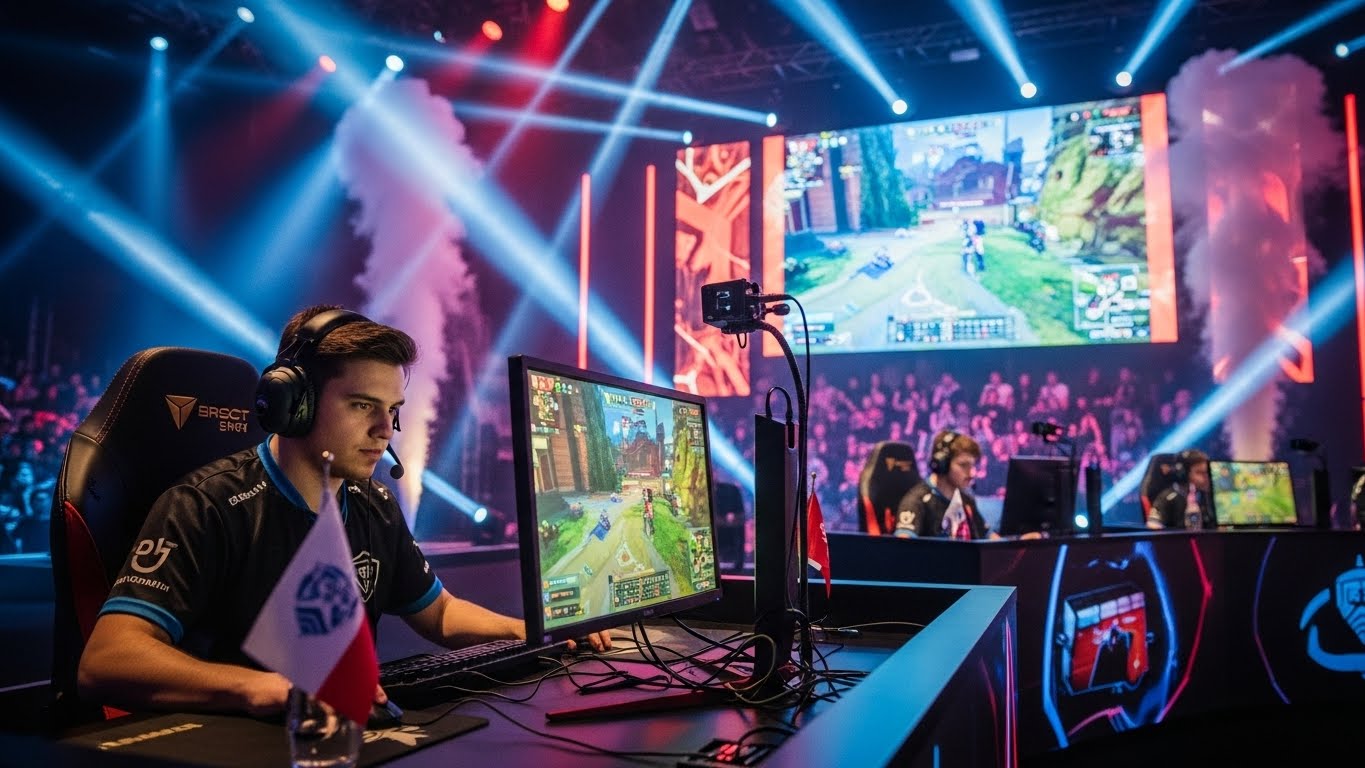
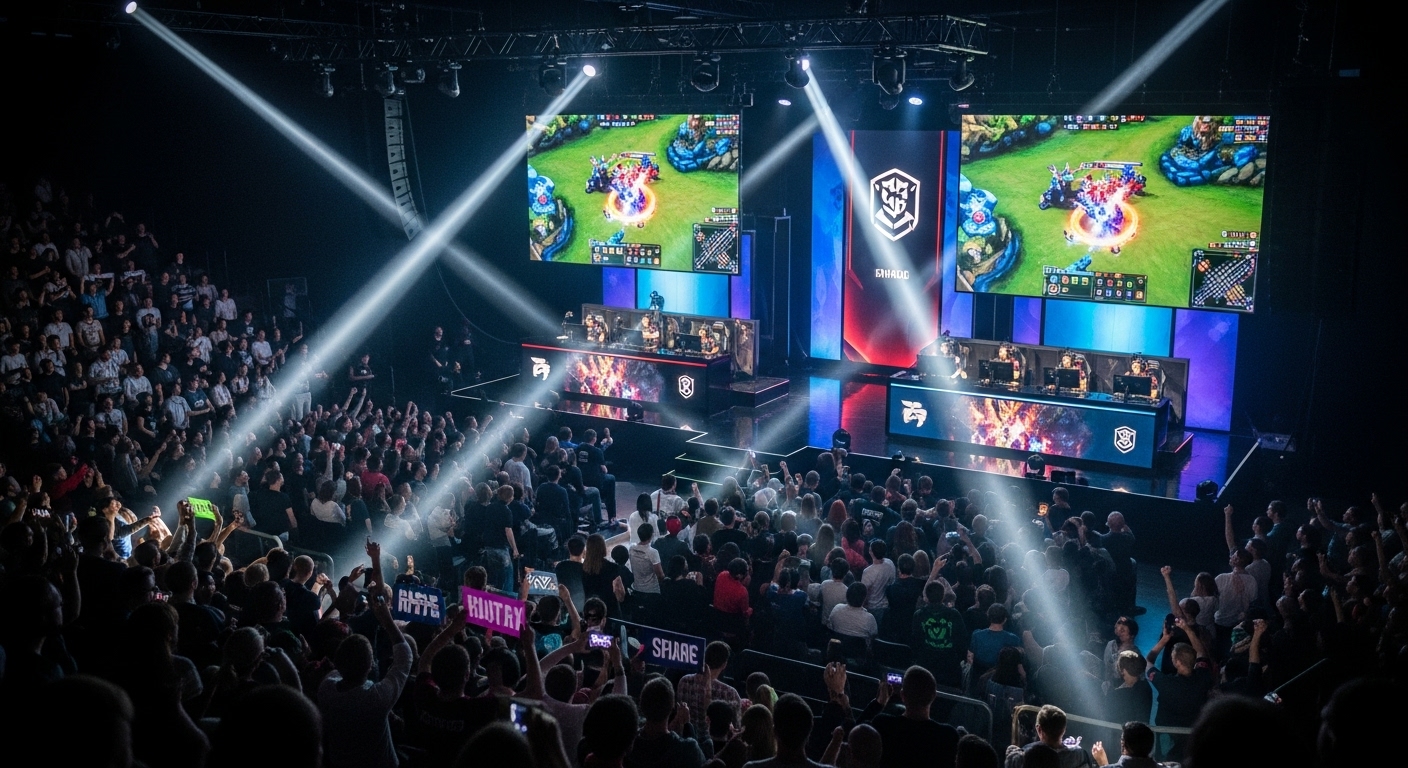
From local tournaments held in small gaming centers to international competitions in arenas filled with tens of thousands of spectators, esports has evolved into a professional, organized, and highly profitable industry. The rise of esports demonstrates how technology and human creativity converge to redefine competition, entertainment, and professional opportunities.
The Origins of Esports: From Arcades to Online Leagues
The roots of esports trace back to the early days of video gaming. In the 1970s and 1980s, arcades introduced competitive gaming to the public. Players competed in titles like “Space Invaders,” “Pac-Man,” and “Donkey Kong,” striving to achieve the highest scores. These early competitions laid the groundwork for organized tournaments and the culture of competitive gaming.
In the 1990s, multiplayer games such as “Quake,” “StarCraft,” and “Counter-Strike” allowed players from different regions to compete online. This era marked the beginning of esports leagues, creating structured competitions and bringing together talented gamers from around the world. Over time, esports evolved from small-scale tournaments into large-scale international events with professional teams, sponsorships, and global audiences.
The Appeal of Esports: Why Millions Tune In
Esports has captured global attention due to several factors that set it apart from traditional entertainment:
Accessibility: Unlike traditional sports, esports requires minimal physical infrastructure. Anyone with a computer, console, or mobile device can participate, making it accessible to people worldwide.
Diverse Game Genres: Esports includes first-person shooters, multiplayer online battle arenas, fighting games, sports simulations, and battle royale games. This variety ensures there is something for every type of player and fan.
Community Engagement: Online streaming and social media platforms allow fans to interact with players, teams, and other enthusiasts. Esports fosters a strong sense of community and belonging.
High-Stakes Competition: Professional esports tournaments feature massive prize pools, often reaching millions of dollars. This high level of competition attracts elite players and generates intense excitement among fans.
Major Esports Games and Genres
Esports is not a single activity but a collection of competitive game genres, each with its own fan base, strategies, and tournaments.
First-Person Shooters (FPS): Games such as “Counter-Strike: Global Offensive” and “Call of Duty” require precision, reflexes, and teamwork. FPS tournaments are fast-paced and visually engaging, attracting large audiences worldwide.
Multiplayer Online Battle Arenas (MOBA): “League of Legends” and “Dota 2” are examples of strategy-heavy games that emphasize coordination, planning, and execution. MOBA tournaments draw millions of viewers, with prize pools often exceeding several million dollars.
Fighting Games: Titles like “Street Fighter” and “Tekken” focus on one-on-one combat, requiring skill, timing, and mental agility. The fighting game community thrives on both local and international competitions.
Sports Simulations: “FIFA” and “NBA 2K” merge traditional sports with digital gameplay, appealing to gamers and sports fans alike.
Battle Royale Games: “Fortnite” and “PUBG” emphasize survival and adaptability, combining strategy, creativity, and skill. These games attract younger audiences and feature some of the largest online tournament formats.
Esports as a Professional Career
Esports has become a viable career path, providing professional opportunities for skilled gamers worldwide.
Professional Teams: Teams function like traditional sports franchises, recruiting talent, providing coaching, and competing in regional and international leagues. Successful teams also develop global fanbases and generate revenue through sponsorships and merchandise.
Sponsorships and Endorsements: Top players earn income through brand partnerships, sponsorships, and collaborations with gaming companies. These opportunities enhance visibility and financial stability for professional gamers.
Careers Beyond Playing: Esports offers roles for coaches, analysts, commentators, event organizers, and content creators, all contributing to the growth and professionalism of the industry.
The Role of Streaming Platforms
Streaming platforms have been central to esports’ rise. Services like Twitch, YouTube Gaming, and Facebook Gaming allow players to broadcast gameplay to millions of viewers globally.
Fan Engagement: Live streaming enables interaction between players and fans through chat, donations, and live reactions, creating strong communities.
Content Creation: Beyond tournaments, players produce highlight reels, tutorials, and entertainment content, expanding their audience reach.
Monetization: Streamers generate revenue from subscriptions, advertisements, and sponsorships, making esports a sustainable profession for many individuals.
Mental and Physical Demands of Esports
While esports is digital, it requires substantial mental focus, strategic thinking, and hand-eye coordination.
Cognitive Skills: Players must analyze the game environment, anticipate opponents’ moves, and make rapid decisions under pressure.
Physical Health: Long gaming sessions can lead to eye strain, posture issues, and repetitive stress injuries. Professional players often incorporate exercise and ergonomic practices to maintain health.
Teamwork and Communication: Success in team-based games depends on effective communication, leadership, and collaboration among players.
The Business of Esports
Esports has developed into a multi-billion-dollar industry with diverse revenue streams.
Tournament Prize Pools: Competitions now feature multi-million-dollar rewards, attracting top-tier talent and global attention.
Sponsorship and Advertising: Brands invest in teams, tournaments, and players to reach younger, digitally active audiences.
Media and Broadcasting: Streaming platforms and networks compete for broadcasting rights, transforming esports into mainstream entertainment.
Merchandise and In-Game Purchases: Teams and developers profit from branded merchandise and digital items, creating additional revenue streams.
Community and Global Influence
Esports fosters global communities and cultural exchange.
Cultural Exchange: Players and fans from diverse backgrounds connect through shared gaming experiences, promoting understanding and collaboration.
Youth Engagement: Esports offers young people opportunities to develop skills, socialize, and participate in competitive activities in a digital environment.
Inclusivity: Esports is accessible to individuals with varying physical abilities, making it a more inclusive form of competition compared to traditional sports.
Challenges in Esports
Despite its rapid growth, esports faces challenges that require attention.
Health Risks: Extended gameplay can lead to mental and physical strain, highlighting the need for wellness programs.
Standardization: Esports lacks consistent global regulations, resulting in variations in tournament rules and player protections.
Public Perception: Some still view esports as casual gaming, underestimating the skill, strategy, and dedication required.
Sustainability: Maintaining ethical practices, fair competition, and long-term viability is critical for the future of esports.
The Future of Esports
Esports is poised for continued growth and innovation.
Technology Advancements: Virtual reality, augmented reality, and artificial intelligence will revolutionize gameplay, training, and fan engagement.
Global Expansion: New regions are adopting esports, creating localized leagues and fan bases.
Integration with Traditional Sports: Traditional sports organizations are investing in esports, merging physical and digital competitions.
Education and Scholarships: Universities now offer esports scholarships and degree programs, recognizing it as a legitimate career path.
Conclusion: Esports as a Cultural and Professional Force
Esports is more than gaming; it is a cultural, professional, and social phenomenon reshaping entertainment and career opportunities worldwide. It combines skill, strategy, mental agility, and community engagement in ways that rival traditional sports. From grassroots tournaments to international championships, esports has created careers, built communities, and captivated audiences globally.
The rise of esports demonstrates the transformative power of technology, creativity, and ambition. Digital arenas now host rivalries, stories of perseverance, and moments of brilliance that inspire millions. Esports is not just a pastime—it is a revolution that reflects the evolving nature of competition, entertainment, and human potential in the digital age.