





Introduction: The Digital Sports Revolution
The world of competitive gaming, commonly known as esports, has transformed dramatically over the past two decades. What once started as a niche hobby for a few enthusiastic gamers has now evolved into a global entertainment phenomenon. Esports encompasses professional gaming competitions, live streaming, massive tournaments, and a dedicated fanbase that rivals traditional sports. With technological advancements, strategic gameplay, and international participation, esports has become a mainstream cultural and economic force, redefining how people experience competition in the digital age.
The Birth of Competitive Gaming
Esports did not appear overnight. Its origins trace back to the 1970s and 1980s when arcade tournaments began attracting players eager to prove their skills. Early competitions were local, informal, and often focused on high scores rather than team-based strategy. With the advent of personal computers and online connectivity in the 1990s, multiplayer games began to emerge, enabling gamers from different regions to compete virtually. Titles like Counter-Strike, StarCraft, and Quake laid the foundation for organized competitive gaming, setting the stage for what we now recognize as professional esports.
Why Esports Captivates Audiences
Esports attracts millions of fans globally due to its combination of skill, strategy, and entertainment. Unlike traditional sports, esports offers a variety of games that appeal to diverse interests, ranging from first-person shooters and real-time strategy games to battle royales and sports simulations. Fans are drawn to the unpredictability of matches, the personalities of professional players, and the intricate strategies teams employ. The interactive nature of esports, where audiences can watch live streams, chat with commentators, and participate in fan communities, creates an immersive viewing experience unlike any traditional sport.
The Professionalization of Players and Teams
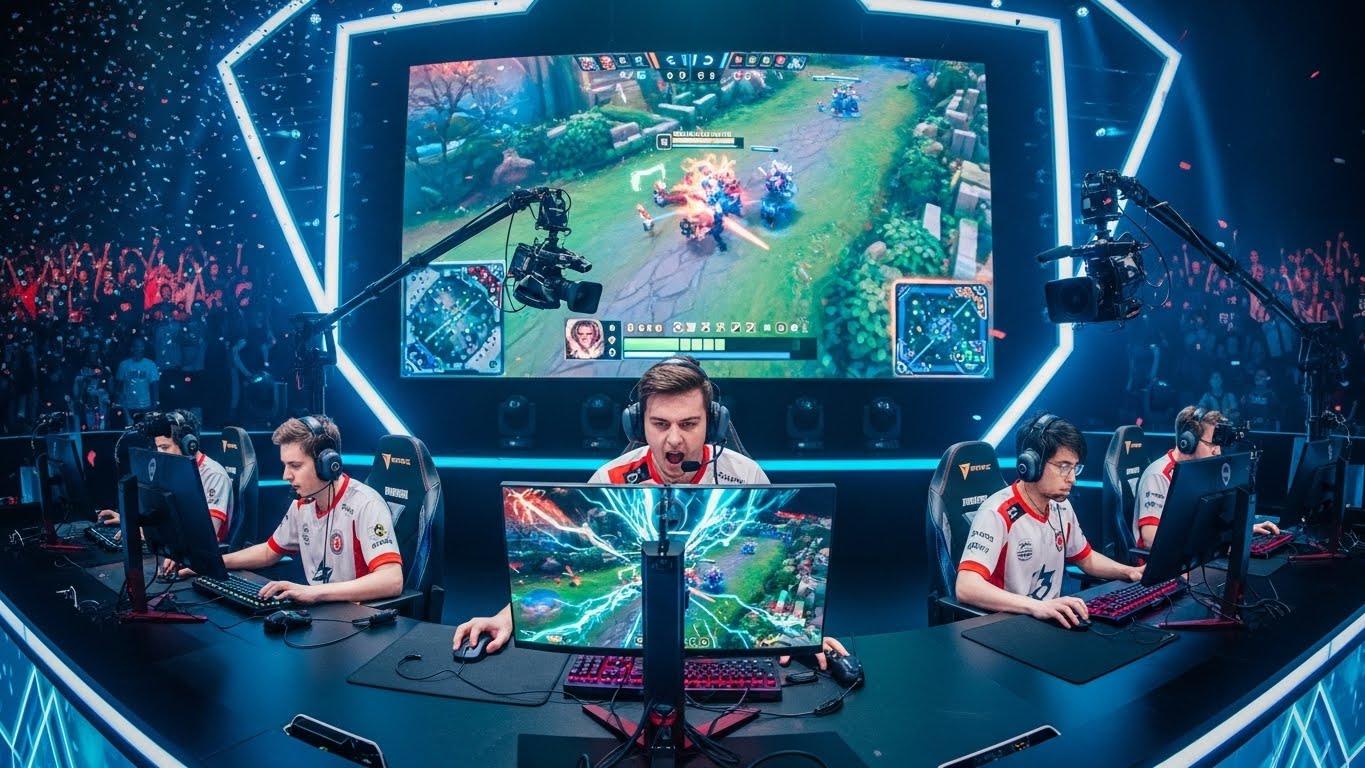
Professional esports players are more than talented gamers; they are athletes in their own right. They adhere to rigorous training routines, analyze gameplay footage, and often collaborate with coaches and analysts to enhance performance. Esports teams operate like professional sports franchises, providing salaries, sponsorships, and specialized support for players. Many young talents rise to prominence through online rankings and amateur tournaments, quickly moving into international competitions. The professionalization of esports has created career opportunities not only for players but also for managers, coaches, content creators, and event organizers, contributing to the industry’s rapid growth.
Esports Tournaments and Live Events
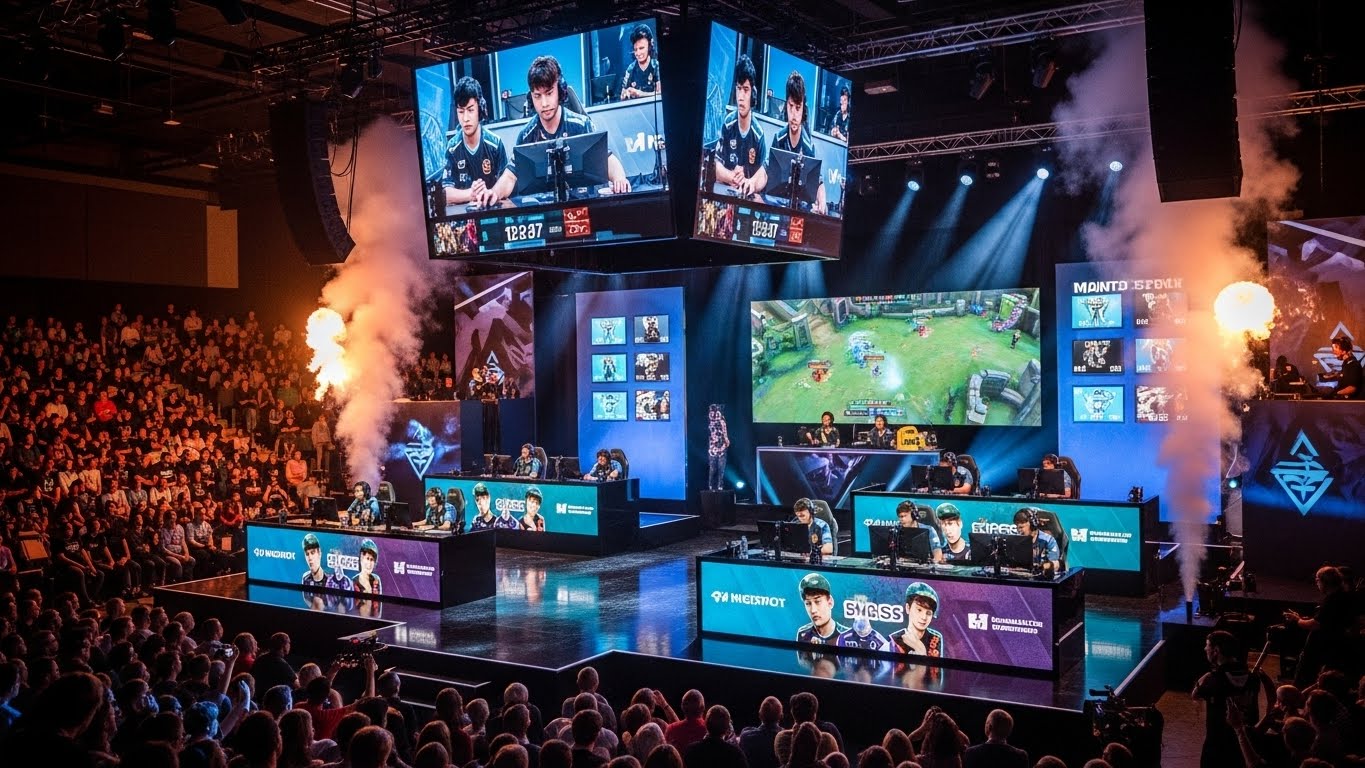
One of the most exciting aspects of esports is the live experience. Tournaments attract thousands of fans to arenas worldwide, creating electric atmospheres filled with energy, lights, and music. Major events like The International, League of Legends World Championship, and Fortnite World Cup draw millions of viewers online and in-person, rivaling the viewership of traditional sports championships. Live events provide fans with the thrill of cheering for their favorite teams, interacting with other enthusiasts, and immersing themselves in the culture of competitive gaming. These tournaments have elevated esports from online play to a highly social, globally celebrated phenomenon.
The Impact of Streaming Platforms
Streaming platforms have revolutionized the esports industry by making it accessible to millions of viewers worldwide. Gamers can broadcast live gameplay, interact with audiences, and build personal brands that extend beyond competitive play. Streaming has also given rise to new forms of entertainment, including tutorials, commentary, and behind-the-scenes content. Many professional players start as streamers, gradually developing fan followings before joining professional teams. The interactivity of streaming platforms has created a community-driven ecosystem that supports both players and fans, fostering engagement and loyalty.
Economic Significance of Esports
Esports has become a significant economic force, generating billions of dollars annually through prize money, sponsorships, advertising, media rights, and merchandising. Major brands and corporations invest heavily in esports to reach younger, tech-savvy audiences. Universities now offer esports scholarships, while professional players can earn lucrative salaries and endorsements. The economic impact extends beyond players and teams, providing opportunities for game developers, marketers, broadcasters, and tournament organizers. This economic growth demonstrates that esports is not just a passing trend but a sustainable and influential industry.
Community and Social Dynamics in Esports
Esports is as much about community as it is about competition. Online and offline communities allow fans and players to connect, share experiences, and collaborate in various gaming activities. These communities promote social interaction, teamwork, and personal development, challenging traditional stereotypes about gamers. For many, esports provides a sense of belonging, identity, and purpose, while also offering platforms for creative expression, leadership, and problem-solving. The communal aspect of esports has played a pivotal role in shaping its popularity and cultural significance.
Diversity and Inclusion in Competitive Gaming
Esports has historically been dominated by male players, but the industry is gradually embracing diversity and inclusion. Female gamers, non-binary players, and individuals from various cultural backgrounds are gaining recognition and opportunities in professional competitions. Event organizers and organizations are actively working to create safe and inclusive environments, addressing issues like harassment and underrepresentation. Embracing diversity strengthens the industry, promotes creativity, and ensures that esports continues to appeal to a broad global audience.
Challenges Facing the Esports Industry
Despite its success, esports faces significant challenges. Player burnout, intense schedules, and mental health concerns are prevalent issues due to the high-pressure environment of competitive gaming. The industry also struggles with inconsistent regulations, lack of standardized career paths, and occasional disputes over tournament integrity. Additionally, balancing commercial interests with fair competition remains a concern. Addressing these challenges is essential to sustaining the growth, credibility, and overall well-being of the esports ecosystem.
Technological Innovations Shaping Esports
The future of esports is closely tied to technological advancements. Virtual reality, augmented reality, and artificial intelligence are poised to enhance gameplay experiences, spectator engagement, and training methods for professional players. Advanced analytics and game engines allow teams to study opponents and optimize strategies, while interactive viewing options make tournaments more immersive for audiences. As technology continues to evolve, esports will become increasingly sophisticated, attracting new participants and expanding its global reach.
The Global Expansion of Esports
Esports is no longer confined to traditional gaming hubs in North America, Europe, and East Asia. Emerging regions in South America, Africa, and Southeast Asia are producing talented players and expanding the global fanbase. The accessibility of online gaming and streaming platforms has facilitated international participation, fostering cross-cultural exchange and collaboration. This global expansion not only diversifies competition but also strengthens esports as a truly worldwide phenomenon with universal appeal.
Conclusion: Esports as a Cultural and Economic Force
Esports has emerged as a revolutionary force in entertainment, culture, and the economy. From its humble beginnings in arcades to its current status as a professional, global industry, esports demonstrates the transformative power of technology, community, and passion. The combination of professional players, live events, streaming platforms, and dedicated fan communities has created an ecosystem that is sustainable, dynamic, and influential. As esports continues to evolve, it will redefine the boundaries of competition, entertainment, and social interaction, proving that the digital arena is not just a game—it is a cultural movement shaping the future.