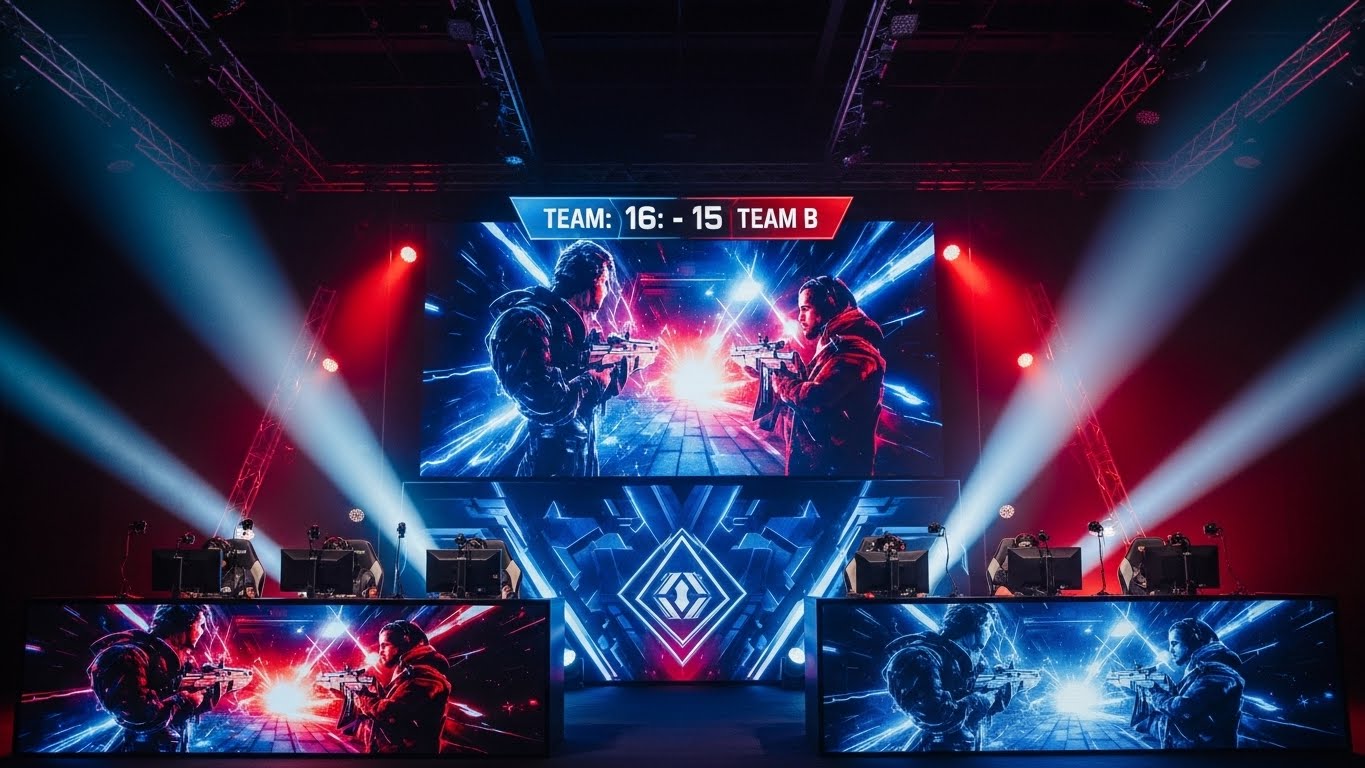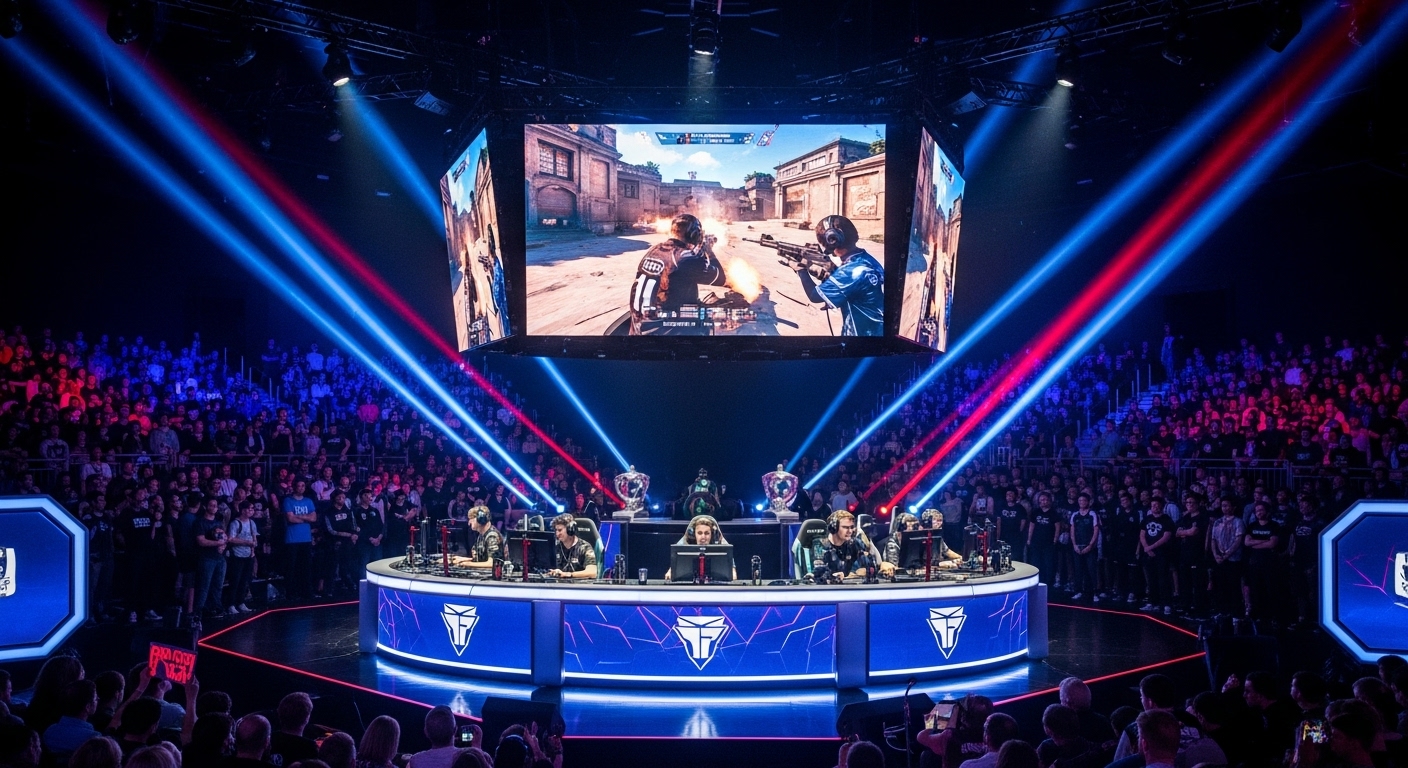






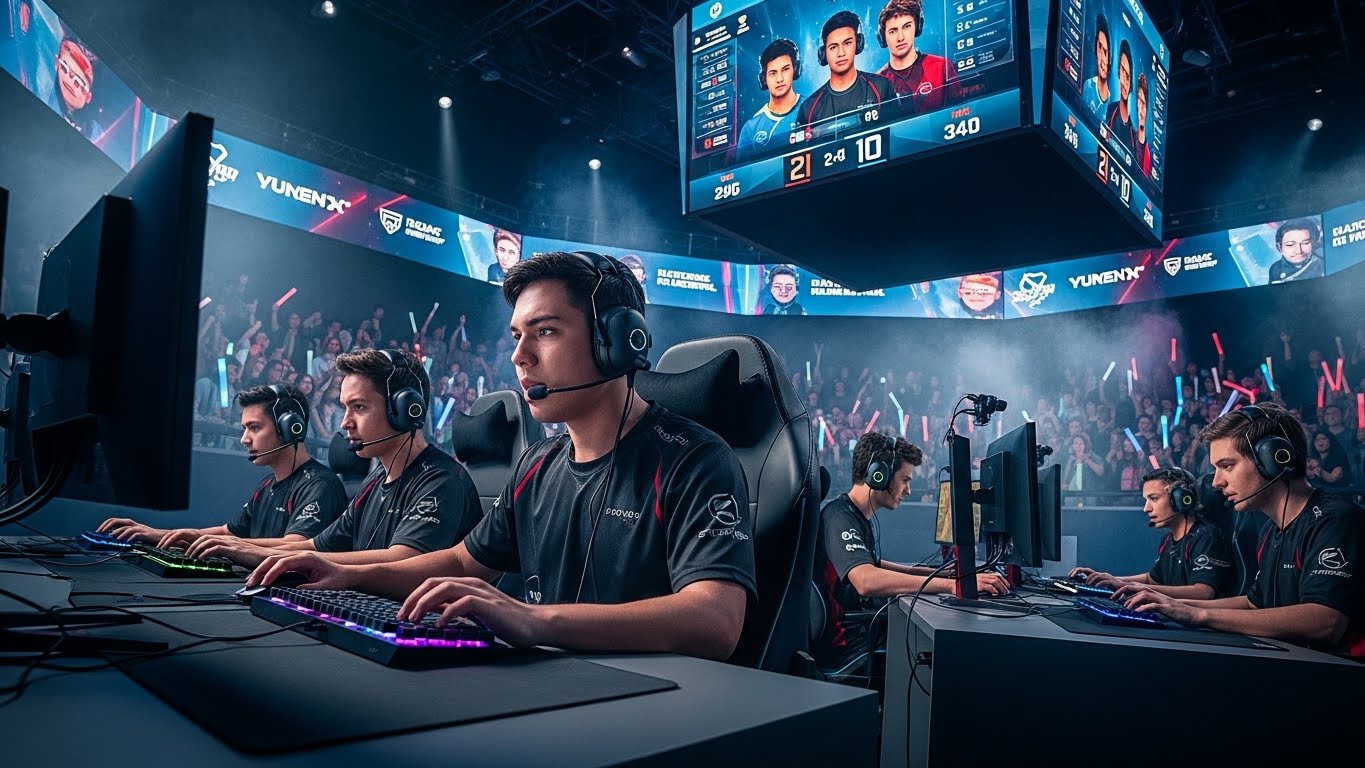
In the past decade, esports has transformed from a niche hobby into a global phenomenon. What was once dismissed as children playing video games for hours has now become a multi-billion-dollar industry attracting millions of viewers worldwide. The evolution of esports reflects not only technological advancements but also a shift in entertainment, sports culture, and professional opportunities. This blog delves into the origins of esports, its economic and social impact, challenges, and what the future holds for competitive gaming.
The Origins of Competitive Gaming
The roots of esports can be traced back to the early days of arcade and console gaming. In the 1970s and 1980s, video game competitions were mostly local or national events, often organized by game developers or enthusiast communities. Classic games like Space Invaders, Pac-Man, and Street Fighter laid the groundwork for competitive play. However, the turning point came with the rise of the internet in the late 1990s, which enabled gamers from across the globe to compete in real time. Games such as StarCraft in South Korea and Counter-Strike in Western countries became the pillars of early esports communities, fostering dedicated fan bases and professional players.
The Explosion of Esports Popularity
Esports truly entered mainstream consciousness in the 2010s. The proliferation of streaming platforms made it possible for millions of people to watch live tournaments from their homes. Events like the League of Legends World Championship and The International for Dota 2 drew massive audiences, rivaling traditional sports in viewership. Unlike conventional sports, esports is accessible to anyone with a gaming console or PC, breaking down geographic and social barriers. This accessibility has been a key driver in its meteoric growth, attracting not only players but also sponsors, advertisers, and investors eager to capitalize on the trend.
Economic Impact of Esports
The financial scale of esports is staggering. The industry now generates billions of dollars annually through tournament prize pools, sponsorships, merchandise, streaming rights, and advertising. Professional players can earn significant salaries, while top-tier competitors win millions in tournament winnings. Esports organizations function similarly to traditional sports clubs, complete with management teams, coaches, analysts, and training facilities. Sponsorship deals from major brands are commonplace, reflecting the marketing potential of esports to reach a young, tech-savvy audience. The financial opportunities extend beyond players, creating jobs in content creation, event management, marketing, and software development.
The Role of Technology in Esports
Technology is at the heart of esports. High-speed internet, powerful gaming PCs, and advanced streaming platforms have all contributed to the growth of competitive gaming. Innovations like virtual reality, augmented reality, and cloud gaming are poised to further revolutionize the industry. Esports also drives technological advancements, as developers seek to create games that are fair, engaging, and spectator-friendly. The relationship between technology and esports is symbiotic: as technology improves, esports becomes more immersive and accessible, while esports pushes the boundaries of what technology can achieve in entertainment and communication.
Esports as a Career Path
Becoming a professional esports player is now a viable career path, but it requires dedication, strategy, and discipline. Players spend hours training daily, analyzing opponents, and refining their skills. Unlike traditional sports, esports careers tend to peak early, with many players retiring in their mid-20s to pursue coaching, streaming, or content creation. The rise of collegiate esports programs and scholarship opportunities has also provided structured pathways for aspiring professionals. Beyond playing, careers in esports include team management, event organization, broadcasting, journalism, marketing, and game development. This diversification ensures that even those who do not compete professionally can find meaningful work within the ecosystem.
The Social and Cultural Impact of Esports
Esports has not only changed entertainment but also reshaped social and cultural dynamics. It fosters communities where people share experiences, strategies, and creativity. Online and offline tournaments encourage teamwork, communication, and leadership skills. Moreover, esports provides a platform for inclusivity, allowing players from diverse backgrounds to compete and gain recognition. This global reach helps break down cultural barriers, with players and fans forming connections across continents. Additionally, esports has influenced fashion, music, and popular media, integrating gaming culture into mainstream society in unprecedented ways.
Health and Wellness in Esports
Despite its many benefits, esports also presents unique health challenges. Long hours of practice can lead to physical strain, eye fatigue, and repetitive stress injuries. Mental health concerns, including stress, anxiety, and burnout, are prevalent among professional players. Recognizing these risks, esports organizations are increasingly emphasizing wellness programs, fitness routines, and psychological support for players. Proper ergonomics, scheduled breaks, and mental health resources are becoming standard practices, highlighting the importance of balancing competition with health.
The Global Esports Landscape
Esports is a truly global phenomenon, with strong hubs in regions like South Korea, China, North America, and Europe. South Korea pioneered professional esports infrastructure, making competitive gaming a respected career. China’s esports market has expanded rapidly due to government support, technological investment, and cultural enthusiasm. North America and Europe have developed large-scale tournaments, media coverage, and collegiate esports programs. Each region contributes its own style, games, and strategies, creating a diverse and dynamic global ecosystem.
Challenges Facing Esports
Despite its growth, esports faces several challenges. Regulation remains inconsistent across countries, affecting player contracts, prize distributions, and age restrictions. Cheating and match-fixing scandals occasionally undermine the integrity of competitions. Furthermore, there is ongoing debate about classifying esports as “real sports” due to differences in physical activity compared to traditional athletics. Balancing commercial interests with the authentic spirit of gaming is another hurdle, as corporate sponsorships can influence game design and tournament rules. Addressing these challenges is crucial to ensuring the sustainability and credibility of esports.
The Future of Esports
Looking ahead, esports is poised to continue its upward trajectory. Technological innovations will create more immersive experiences for both players and viewers, including virtual stadiums, augmented reality overlays, and interactive broadcasts. Integration with traditional sports may become more common, with esports tournaments held alongside major athletic events. As esports gains further recognition, educational institutions, governments, and corporations are likely to invest more heavily in infrastructure, training programs, and research. The future of esports promises not only bigger tournaments and larger audiences but also deeper cultural and economic integration into society.
Conclusion: More Than Just a Game
Esports has evolved far beyond its origins as a hobbyist activity. It has become a legitimate form of competition, a career opportunity, and a cultural phenomenon. With its economic impact, technological innovation, and global reach, esports is shaping the future of entertainment and sports. While challenges exist, the potential for growth, creativity, and community is immense. Whether one is a player, fan, or industry professional, the world of esports offers exciting possibilities that continue to redefine how we think about games, competition, and digital culture.
In the end, esports is more than just a game. It is a testament to human creativity, dedication, and the ability to connect across borders through shared passion. As the industry evolves, one thing is certain: esports is here to stay, and its influence will only grow stronger in the years to come.