





In the last two decades, few industries have evolved as dramatically as esports. What began as casual video game competitions among friends has turned into one of the most influential entertainment phenomena in the world. Esports—short for electronic sports—represents the organized, competitive side of video gaming. But beyond just being games, it’s become a cultural shift, a professional ecosystem, and a lifestyle for millions.
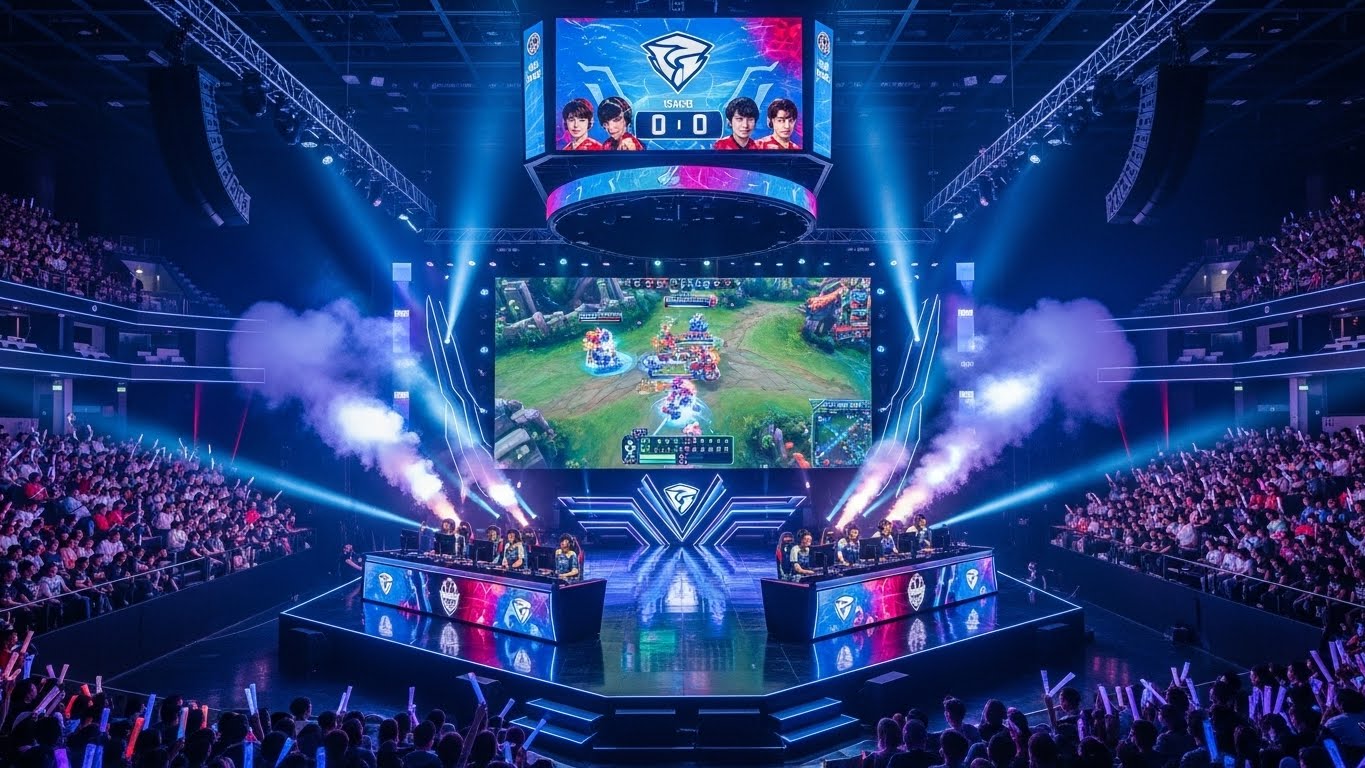
Today, esports fills stadiums, drives billion-dollar investments, and attracts audiences that rival traditional sports. Its journey from basements and internet cafés to massive arenas has been nothing short of remarkable. To understand the rise of esports, it’s important to look at how it all began, what fueled its rapid growth, and how it continues to shape the future of entertainment.
The Humble Beginnings
The story of esports starts long before Twitch streams and million-dollar tournaments. Back in the 1970s and 1980s, competitive gaming was more about bragging rights than prize money. The first known video game competition took place in 1972 at Stanford University, where students competed in the game Spacewar. The grand prize? A year’s subscription to a magazine.
As the arcade culture boomed in the 1980s, players began competing to achieve the highest scores on games like Pac-Man and Donkey Kong. Magazines such as Twin Galaxies and events like the Video Game Masters Tournament began recognizing top players. Still, gaming was seen as a pastime, not a professional pursuit.
Things started to shift in the 1990s when the rise of home consoles and PC gaming allowed players to connect more easily. LAN (Local Area Network) parties became the first battlegrounds for competitive gaming, particularly with games like Doom, Quake, and StarCraft. Players lugged heavy monitors and towers to basements or community centers to battle it out. Though the internet was slow and connections unreliable, it was the start of something big.
The 2000s: The Birth of Modern Esports
The 2000s marked the beginning of what we now recognize as esports. The launch of broadband internet made online multiplayer gaming accessible to the masses. Titles like Counter-Strike, Warcraft III, and StarCraft: Brood War became the cornerstones of competitive gaming communities.
South Korea played a crucial role in shaping esports during this period. After the Asian financial crisis in the late 1990s, the South Korean government invested heavily in broadband infrastructure, leading to the birth of internet cafés known as “PC bangs.” These became the training grounds for professional players. Television channels began broadcasting matches, and players became celebrities. Teams were sponsored by major corporations, transforming gaming into a legitimate profession.
Meanwhile, in the West, esports began to find its footing with the establishment of professional leagues like the Cyberathlete Professional League (CPL) and Major League Gaming (MLG). These organizations brought structure, tournaments, and sponsorships, helping gaming step out of the shadows and into mainstream culture.
By the mid-2000s, esports had fans, stars, sponsors, and serious money on the line. What was once considered a niche hobby was rapidly turning into a global spectacle.
The Streaming Revolution
If the 2000s built the foundation, the 2010s catapulted esports into mainstream entertainment. A major catalyst for this shift was streaming. Platforms like Twitch, launched in 2011, gave gamers a way to broadcast matches to millions of viewers around the world. Suddenly, anyone could tune in and watch professionals play in real time, complete with commentary, interviews, and production quality comparable to traditional sports broadcasts.
Streaming democratized esports. Players no longer needed TV deals or massive sponsors to reach audiences. Communities formed around games, personalities, and teams. The accessibility of streaming turned gaming into a shared social experience rather than an isolated one.
Games like League of Legends, Dota 2, and Counter-Strike: Global Offensive became esports staples. Developers began investing heavily in competitive ecosystems, creating global leagues, structured tournaments, and annual world championships. Events like The International for Dota 2 and the League of Legends World Championship became global festivals, offering multi-million-dollar prize pools and attracting viewership numbers rivaling the Super Bowl.
The Business of Esports
As esports audiences grew, so did the business behind it. Sponsorships, advertising, media rights, and merchandise sales became major revenue streams. Big brands—from energy drinks to automobile manufacturers—began investing in teams and tournaments.
Esports organizations started functioning much like traditional sports franchises. They had players, coaches, analysts, marketing teams, and management. Teams like Fnatic, Cloud9, T1, and Team Liquid became household names within gaming circles. Players signed contracts, earned salaries, and in some cases, endorsements that rivaled those of professional athletes.
The growth also attracted investors from traditional sports and entertainment. NBA teams, soccer clubs, and even celebrities began buying stakes in esports organizations. This crossover lent credibility to the industry and brought in new audiences who might not have otherwise paid attention to competitive gaming.
However, esports is not without its challenges. Despite impressive revenue numbers, profitability has been a hurdle for many organizations. Running teams, producing content, and managing large-scale tournaments require significant investment. While sponsorship remains the main income source, finding sustainable models is an ongoing discussion in the industry.
The Players: New-Age Athletes
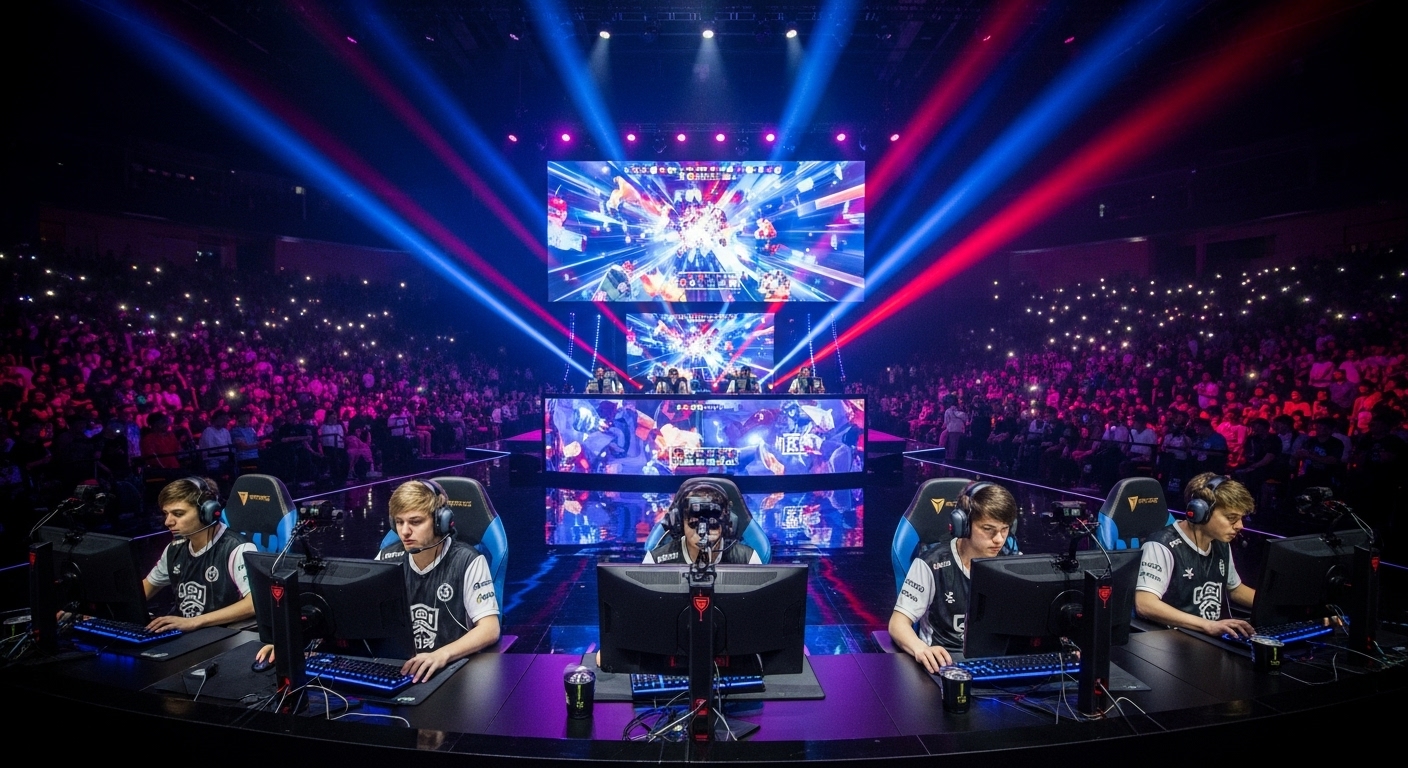
One of the most fascinating aspects of esports is the rise of professional players as global icons. These are not the stereotypical gamers of old, but disciplined athletes who train rigorously, maintain strict schedules, and compete under intense pressure.
A professional esports player’s life is demanding. They often practice for eight to twelve hours a day, refining strategies, analyzing opponents, and maintaining peak mental and physical condition. Reaction times, communication, and teamwork are critical, just as they are in traditional sports.
The average career span of an esports player is short—often just five to seven years—due to the intense demands on reflexes and focus. After retirement, many move into coaching, content creation, or broadcasting. The best players become legends, their plays analyzed and celebrated like those of star athletes in basketball or football.
Importantly, esports has also challenged traditional notions of what it means to be an athlete. It’s expanded the definition to include digital competition and mental agility, emphasizing that dedication and excellence can take many forms.
The Culture Around Esports
Esports isn’t just about the games or the players—it’s about the community that surrounds them. Fans are deeply engaged, loyal, and passionate. Online forums, social media, and streaming chats are constantly buzzing with analysis, memes, and discussions.
Conventions and fan events like BlizzCon and EVO bring people together from across the world to celebrate shared interests. Cosplayers, artists, streamers, and fans all contribute to a vibrant culture that thrives on creativity and participation.
Esports has also influenced fashion, music, and media. Gaming-inspired apparel lines, theme songs, and documentaries have entered mainstream culture. The once-clear divide between gaming and entertainment has blurred. Today, it’s common to see music artists performing at esports finals or streaming their own gameplay online.
Esports Education and Careers
As esports became more professional, education began catching up. Universities and colleges around the world now offer esports programs, scholarships, and degrees focused on game design, event management, marketing, and even player psychology.
High schools have started forming esports clubs and teams, providing young players with structured environments to develop their skills. This mirrors the traditional path of athletes in sports like basketball or soccer, where early development programs prepare future professionals.
Beyond players, esports has created a vast network of career opportunities. From broadcasters, commentators, and event organizers to software developers, data analysts, and marketing professionals—the industry now supports a wide range of roles.
The Global Impact
Esports is truly global. While South Korea pioneered professional gaming, regions like North America, Europe, China, and Southeast Asia have become major players. Countries such as China and the United States regularly host massive tournaments, while emerging regions like Latin America and the Middle East are rapidly growing their competitive scenes.
This international reach has helped esports break cultural and linguistic barriers. Games have become a universal language, uniting people across continents. Major tournaments are broadcast in multiple languages, and fanbases stretch far beyond national borders.
Governments have taken notice too. Several countries recognize esports players as professional athletes, allowing them to travel on sports visas. Some nations even include esports as part of their national sporting associations.
The Challenges and Criticisms
Despite its success, esports faces real challenges. One of the biggest is sustainability. While audience growth is steady, converting that into long-term profitability remains complex. Prize pools are often massive, but the ecosystem relies heavily on sponsorship and investment rather than consistent revenue streams.
Player burnout is another issue. The competitive nature and demanding schedules lead to physical and mental strain. Conversations about health, work-life balance, and mental wellness are becoming increasingly important within the esports community.
Cheating, match-fixing, and doping (yes, even in gaming) have also made headlines. Organizations have been working to improve regulation and transparency, ensuring fair competition.
Gender diversity is another area under scrutiny. Though gaming is inclusive by nature, female representation in professional esports remains low. However, more initiatives are emerging to support women and marginalized groups in competitive gaming.
The Role of Technology
Esports thrives on technology. Advancements in hardware, graphics, and internet infrastructure have all contributed to its growth. High-refresh-rate monitors, low-latency networks, and powerful PCs allow players to compete at the highest level.
Streaming platforms and social media amplify exposure. Fans can interact with their favorite players directly, and games are updated frequently to keep content fresh. Developers now design with competition in mind, ensuring balance, spectator tools, and replay systems that enhance the viewing experience.
Virtual reality (VR) and augmented reality (AR) also hint at the future of esports. As these technologies mature, we may see new genres of competitive gaming that blend physical and digital experiences.
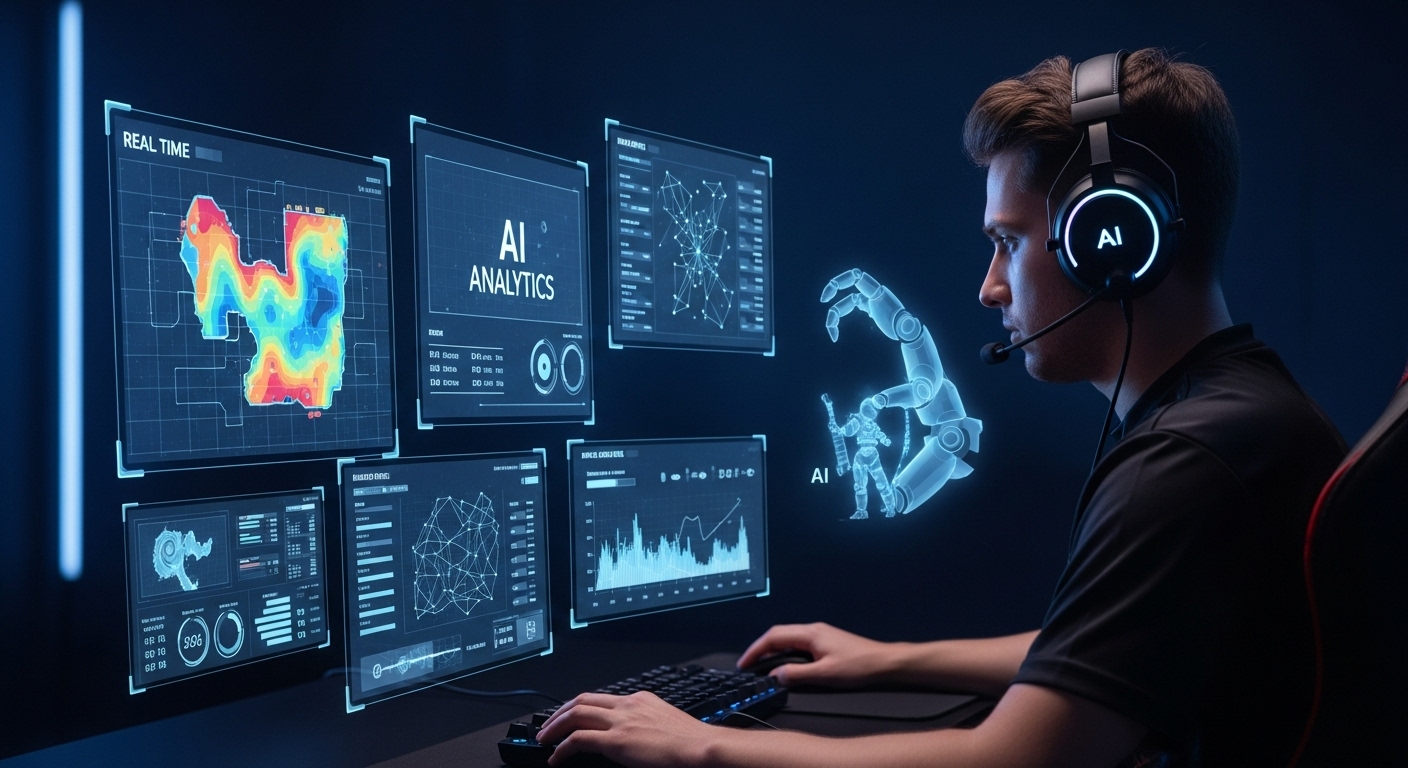
Artificial intelligence plays a growing role too—analyzing player behavior, predicting outcomes, and even assisting in coaching by providing data-driven insights. The synergy between gaming and tech continues to push boundaries in both fields.
The Pandemic Effect
When the world shut down during the COVID-19 pandemic, traditional sports were forced to pause. Stadiums went silent, and leagues postponed their seasons. Esports, however, adapted almost instantly. Since it already existed in digital spaces, competitions continued online with minimal disruption.
This period became a defining moment for esports. Viewership surged as people sought entertainment and connection from home. Traditional sports organizations even turned to esports versions of their own games—like virtual Formula 1 and FIFA tournaments—to keep fans engaged.
While the pandemic brought its own challenges, such as production limitations and time zone issues, it also proved that esports is resilient, adaptable, and capable of thriving in a digital-first world.
The Future of Esports
Looking ahead, esports shows no signs of slowing down. Analysts predict that global revenues will continue to grow as streaming platforms expand, media deals mature, and audiences diversify. The next decade is likely to see deeper integration with mainstream media, more crossovers with traditional sports, and even Olympic recognition—a topic that continues to spark debate.
We can also expect a stronger emphasis on sustainability and player welfare. Teams and organizers are increasingly aware that long-term success depends on supporting both players and fans in healthy ways.
As new technologies emerge—such as cloud gaming and virtual environments—esports will evolve beyond screens into immersive experiences. The line between player and spectator may blur even further, giving rise to interactive tournaments where fans can participate in real time.
Most importantly, esports will continue to define a generation. It represents creativity, competition, and connection in a digital age. Whether someone is a casual viewer or a dedicated player, esports offers a sense of belonging and excitement unlike anything else.
Conclusion
From the flickering screens of early arcades to packed arenas with roaring crowds, esports has transformed from a subculture into a global powerhouse. It embodies how far technology and community have come together to create something truly modern—a new kind of sport for a new kind of world.
Esports is not just about the games we play; it’s about the people, the stories, and the shared passion that unites millions. It’s proof that competition doesn’t need a field or a court—it just needs a screen, a connection, and a dream.