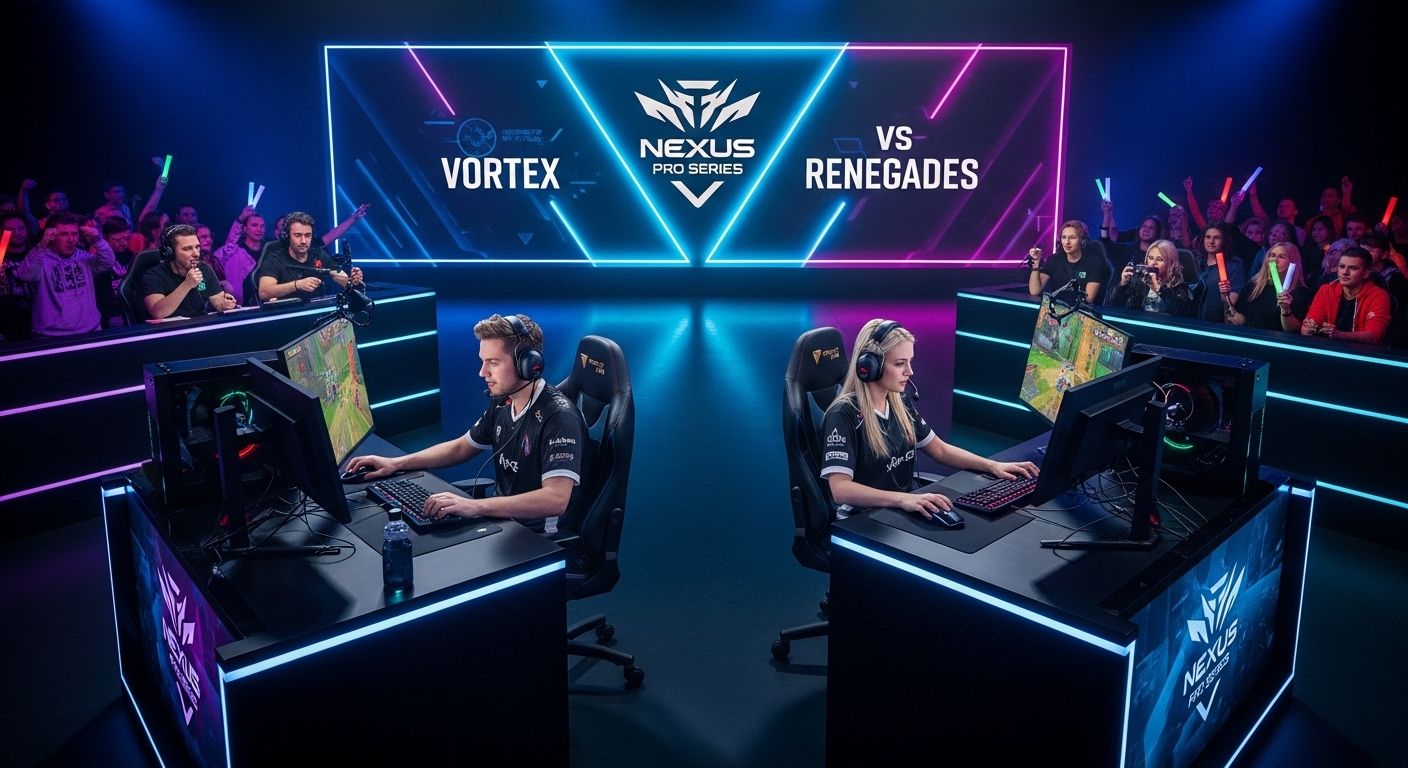







Introduction: The Rise of a Digital Empire
Esports has come a long way from its humble beginnings as a niche hobby to becoming one of the most exciting and profitable industries in the world. What was once a group of friends competing in their favorite games is now a global phenomenon, with millions of fans, professional players, and tournaments filling stadiums and online streams. Esports is no longer just a subculture; it’s reshaping how we view entertainment and competition in the digital age.
What is Esports? The New Face of Competition
At its core, esports refers to competitive video gaming, where players or teams face off in games that are played at a high level. These competitions can be held locally, nationally, or internationally, with huge cash prizes at stake. The games themselves vary widely, ranging from real-time strategy games like StarCraft II, to multiplayer online battle arena games like League of Legends and Dota 2, to first-person shooters like Counter-Strike: Global Offensive. Unlike casual gaming, esports requires immense skill, practice, and strategy to succeed, and professional players train just as rigorously as athletes in traditional sports.
The Global Appeal of Esports
Esports has broken the geographical and cultural barriers that limit many traditional sports. Whether in South Korea, Europe, North America, or even emerging markets like Brazil and Southeast Asia, esports is creating an international network of fans and players. This global reach is primarily due to the accessibility of streaming platforms such as Twitch and YouTube, which allow fans to watch live competitions and cheer for their favorite players, regardless of where they are located. Esports events now attract tens of millions of viewers worldwide, with major tournaments filling entire arenas and breaking viewership records.
Professional Gamers: The Athletes of the Digital Age
The life of a professional esports player is far from easy. To compete at the highest level, players must dedicate hours each day to practice, refining their skills, studying strategies, and communicating with teammates. While some might think of esports as “just playing games,” the reality is that professional players must maintain peak mental and physical condition. They need exceptional hand-eye coordination, sharp focus, and the ability to make quick decisions under pressure. These athletes, often in their teens or early twenties, face the same pressures as traditional sports players: competition, travel, sponsorships, and media attention. But they also deal with the unique challenges of a digital environment, such as maintaining good health while sitting for long hours, and managing online harassment and stress.
The Esports Industry: Beyond the Players
While players are the stars, the esports industry is made up of a vast ecosystem. Teams employ coaches, analysts, managers, and support staff to ensure their success. There are event organizers who put together the massive tournaments that fans tune in to, and there are companies that handle broadcasting, sponsorships, and marketing. Esports has even created career opportunities for shoutcasters (commentators), journalists, content creators, and social media managers. As the industry grows, more specialized roles are emerging, and universities have begun offering degrees in esports management, preparing the next generation of professionals who will shape the future of competitive gaming.
Challenges in the Esports Industry
Despite its rapid rise, esports still faces several hurdles. One of the primary challenges is the physical and mental health of players. Many gamers experience burnout after only a few years in the industry due to the intense training schedules, constant travel, and stress of competition. In addition, the lack of regulation across tournaments and governing bodies has led to issues with cheating, match-fixing, and inconsistent rules. There’s also the matter of inclusivity, with female gamers often finding it difficult to break into professional teams due to a history of sexism and discrimination in the community. However, efforts are being made to address these issues, and organizations are working to create a more sustainable and welcoming environment for players of all backgrounds.
The Future of Esports: What Lies Ahead
Looking ahead, the future of esports seems brighter than ever. As technology continues to advance, we may see virtual reality (VR) and augmented reality (AR) play a significant role in esports. These technologies could transform the way we experience competitive gaming, creating more immersive environments for players and spectators. Moreover, with esports becoming more mainstream, it’s likely that traditional sports leagues and media networks will invest more in esports, further legitimizing it as a major form of entertainment. The integration of esports into school curricula and university programs is also on the rise, allowing future generations to explore gaming not only as a hobby but as a potential career.
Conclusion: The Digital Frontier of Sports and Entertainment
Esports is much more than a passing trend. It’s a rapidly growing industry that has transformed gaming into a legitimate and respected form of competition. With its expanding global audience, professional players, and dedicated community, esports is poised to become an even more integral part of the entertainment landscape. Whether you’re a casual gamer, a professional athlete, or simply a spectator, one thing is clear: the esports revolution is here, and it’s only just getting started.