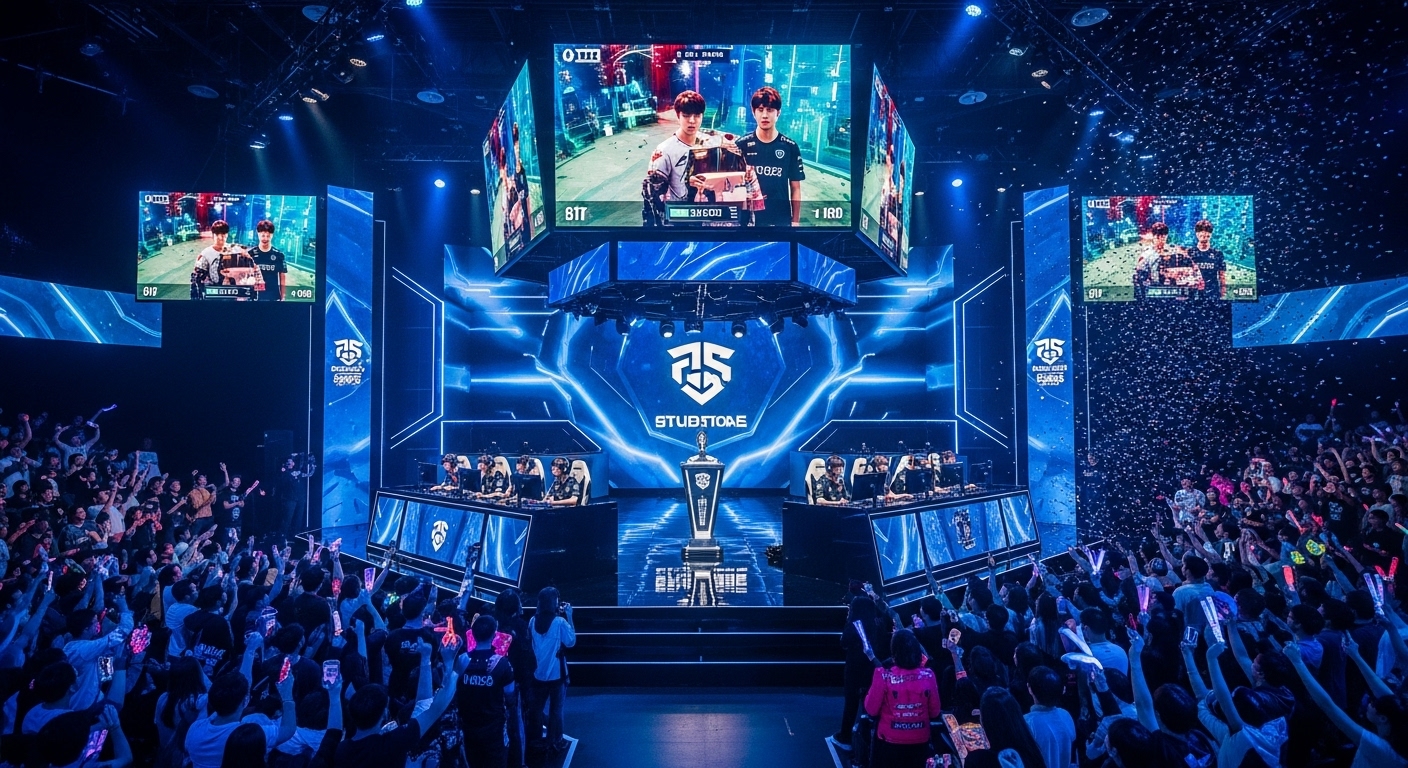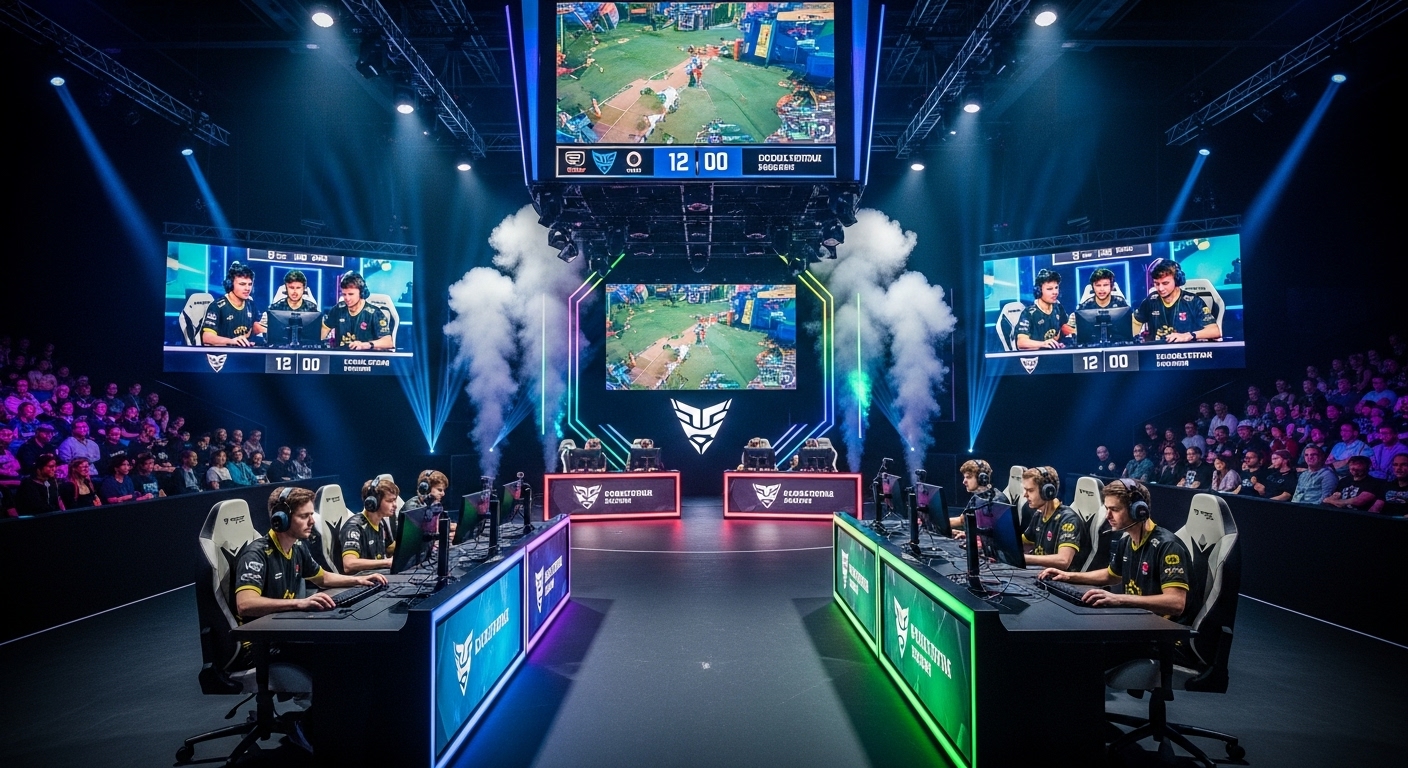






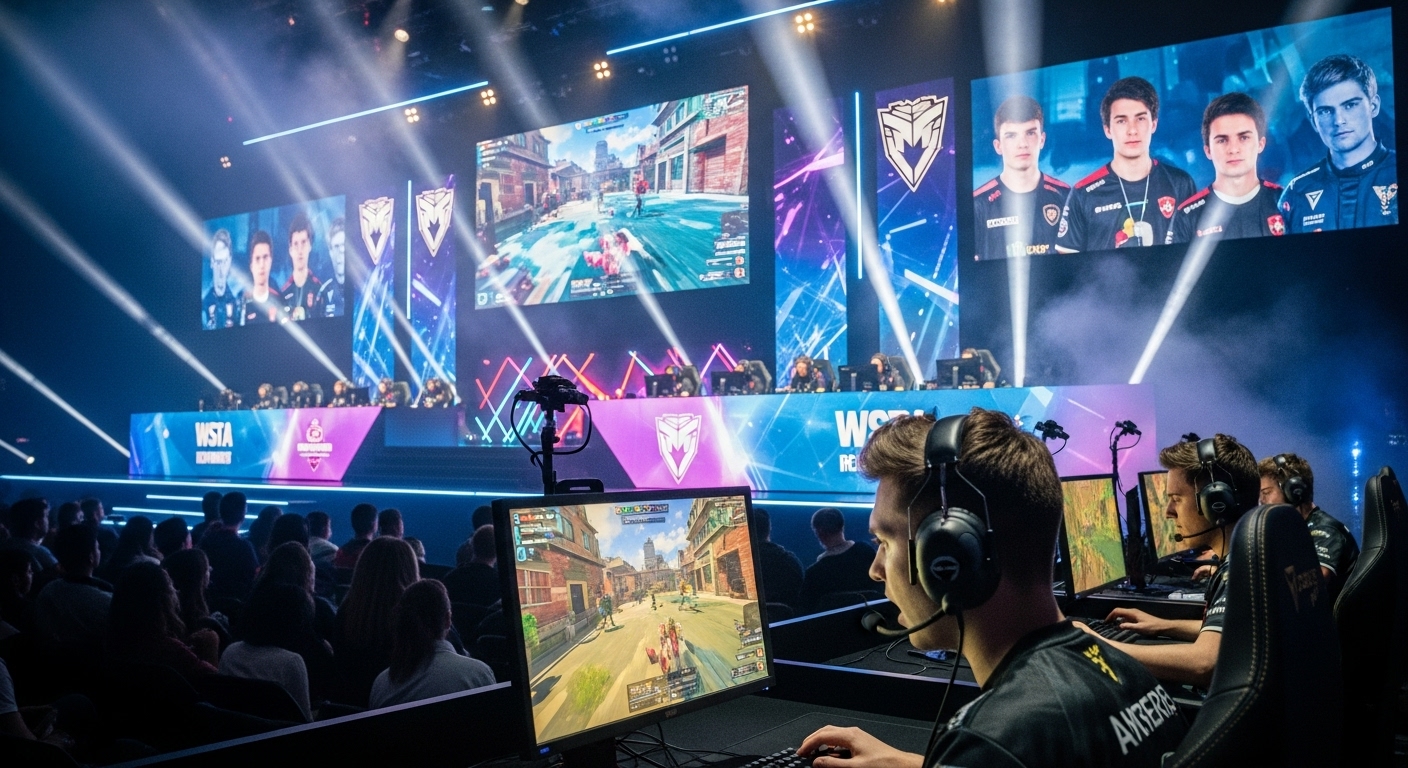
In just a few short years, esports has transformed from a niche hobby into a global cultural phenomenon. What once consisted of a few local tournaments with minimal fanfare has now evolved into a massive multi-billion-dollar industry. With millions of viewers across the globe, massive prize pools, and professional players who are household names, esports has cemented itself as one of the most exciting and rapidly growing sectors in entertainment. In this blog post, we’ll explore the world of esports: how it grew, why it’s thriving, and what the future holds.
The Origins of Esports: Humble Beginnings
The concept of competitive gaming has been around since the early days of video games. The first major tournament, known as the “Space Invaders Championship” in 1980, offered a glimpse into the potential of competitive play. However, esports as we know it today began to take shape in the late 1990s and early 2000s, thanks to the rise of online multiplayer games. Titles like Quake, Warcraft, and StarCraft introduced players to the idea of competing against one another on a global scale.
The true turning point, however, came with the launch of streaming platforms like Twitch in 2011. For the first time, fans were able to watch their favorite players compete live from anywhere in the world. This not only broadened the appeal of esports but also made it an interactive experience where fans could engage with players and other spectators in real-time.
The Global Explosion of Esports
Esports’ global expansion was fueled by several key factors. First, there was the accessibility. Unlike traditional sports, esports didn’t require expensive equipment or infrastructure. All you needed was a computer, an internet connection, and a passion for gaming. This made it easy for players to participate from all corners of the world.
Secondly, the competitive gaming community embraced diversity. Gamers from different countries, backgrounds, and skill levels could join the competition, breaking down barriers in ways traditional sports could not. The accessibility and inclusivity helped to create a loyal, passionate fanbase that has only grown over the years.
Today, esports attracts millions of viewers, with major events like The International for Dota 2 or the League of Legends World Championship drawing crowds in the tens of thousands and streaming numbers in the millions. It’s not just the games that attract attention, but the excitement and drama surrounding them. These events have become digital arenas, where competitors showcase their skill, determination, and sportsmanship.
The Rise of Esports as a Profession
As esports grew, it quickly turned into a career path for many players. Professional players in games like League of Legends, Fortnite, and Counter-Strike: Global Offensive now earn substantial salaries, with top players making millions annually through prize winnings, sponsorships, and streaming deals. In fact, esports salaries are competitive with those of traditional athletes, and many professional players can live comfortably from their gaming earnings alone.
But esports isn’t just for players. As the industry expanded, so did the job opportunities. Esports organizations now employ coaches, analysts, managers, broadcasters, and content creators to help run teams, host events, and build brand identities. It’s no longer just about gaming—esports has become an entire ecosystem that sustains thousands of jobs and continues to grow year by year.
The Role of Streaming and Digital Media
One of the key factors that set esports apart from traditional sports is the role of digital media. Platforms like Twitch, YouTube Gaming, and Facebook Gaming allow players to stream their gameplay to a global audience, creating an entirely new type of media consumption. Streaming is a major driver of the esports industry, enabling fans to watch, interact with, and support their favorite players and teams.
Streaming also allows content creators to forge direct relationships with their fans. Streamers often engage with their viewers through live chats, Q&A sessions, and community events, creating a sense of connection that traditional sports broadcasting doesn’t provide. These interactions foster loyalty and make esports a highly engaging, participatory form of entertainment.
Furthermore, major gaming tournaments are now broadcasted through traditional media outlets, such as television networks and online platforms, attracting a wider audience. Esports has become a staple in digital entertainment, and its influence continues to grow as streaming services and social media platforms increasingly embrace gaming content.
The Business of Esports: Big Sponsors, Big Money
Esports is no longer just a game—it’s big business. The industry’s rapid growth has attracted major sponsors from global brands such as Coca-Cola, Intel, Mercedes-Benz, and Nike. These companies are investing in esports because they recognize the enormous potential of the gaming demographic, particularly among younger audiences who are increasingly tuning in to esports competitions rather than traditional sports.
The commercial opportunities within esports extend beyond just sponsorships. Revenue streams from ticket sales, merchandise, and media rights have helped professional leagues and tournaments flourish. For example, The International for Dota 2 has set records with its prize pools, which are funded by fan contributions through in-game purchases. Such models have proven that the fanbase is not just willing to watch—they’re also willing to invest in the success of their favorite teams and players.
This influx of money has had a ripple effect, supporting everything from team infrastructure and player salaries to event production and marketing. The financial success of esports has made it an attractive investment opportunity for venture capitalists and business moguls, ensuring that the industry will continue to grow for years to come.
The Intersection of Esports and Traditional Sports
Esports is increasingly being recognized as a legitimate form of competition alongside traditional sports. Notable athletes and sports teams have begun to invest in esports, and in some cases, professional sports leagues have created their own esports divisions. For example, the NBA runs the NBA 2K League, a competitive league centered around the NBA 2K video game, while Formula 1 has its own esports series based on their racing games.
This collaboration between esports and traditional sports is a sign of just how far the industry has come. Professional athletes are now acknowledging the skill, discipline, and training required to be successful in esports. Moreover, esports has become a way for traditional sports teams to tap into the younger, digitally native demographic that may not engage with traditional sports in the same way.
The Future of Esports: What Lies Ahead?
As esports continues to expand, the future holds exciting possibilities. One area of growth is the increasing involvement of mobile gaming. With the rise of titles like PUBG Mobile and Free Fire, mobile esports is rapidly becoming a major player in the competitive gaming space, particularly in regions like Southeast Asia and India, where smartphones are more accessible than high-end gaming PCs.
Another development to watch is the potential of virtual reality (VR) and augmented reality (AR) in esports. These technologies could revolutionize the way games are played and experienced, offering more immersive and interactive competitions. Imagine stepping into a VR arena where you’re not just watching a game but participating in it in real-time. This could open up new doors for esports, blending physical and digital experiences in a way that traditional sports cannot.
Finally, esports will continue to integrate with the educational sector. Universities and colleges around the world are beginning to offer scholarships for esports athletes, while dedicated esports programs are being introduced to help students develop the necessary skills to succeed in both playing and managing esports careers.
Conclusion
Esports is no longer just a hobby or a passing trend; it is a global cultural force that continues to reshape the world of competition and entertainment. From its humble beginnings to its current status as a multi-billion-dollar industry, esports has proven that the future of sports can be found in the digital realm. As it continues to evolve, we can expect even greater integration with traditional sports, advancements in technology, and increased opportunities for players, creators, and fans alike. The esports revolution is far from over, and the best is yet to come.