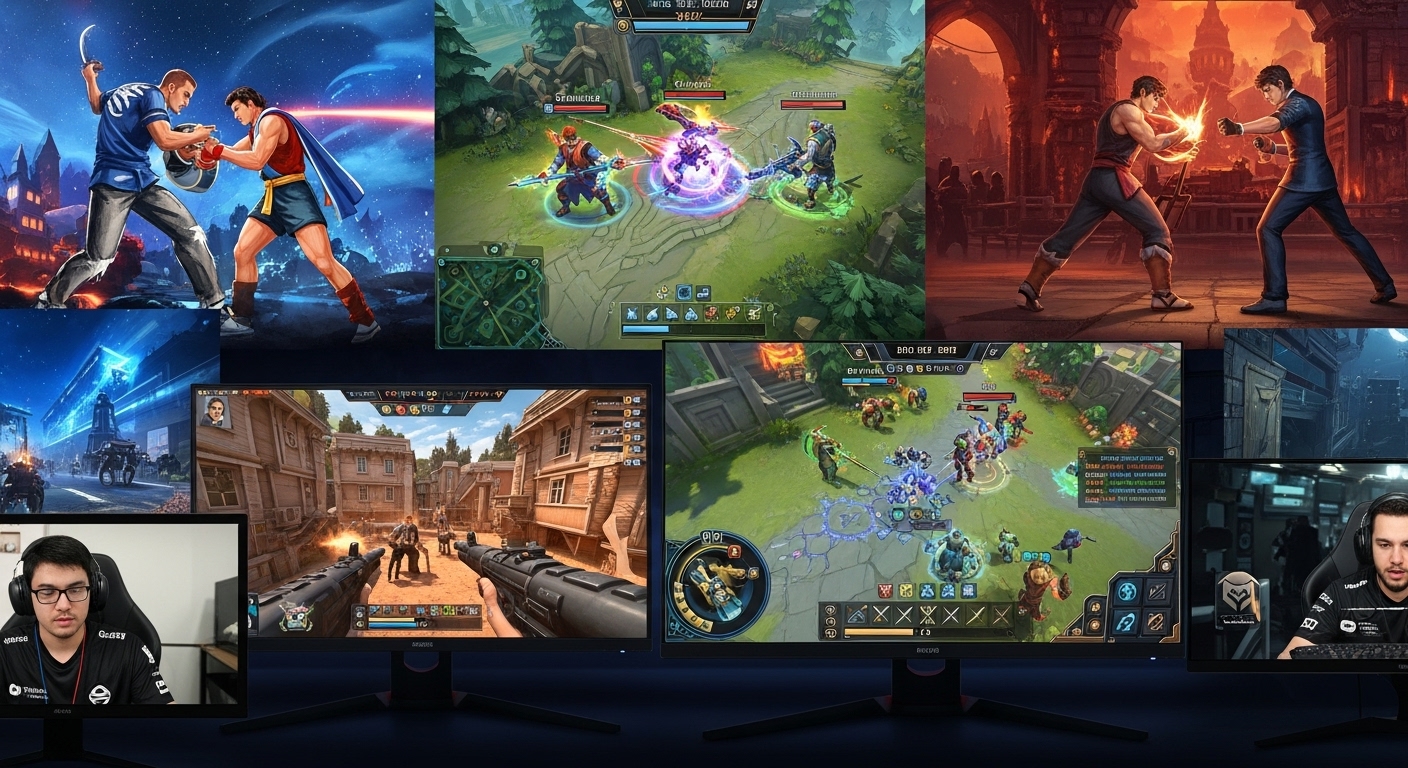






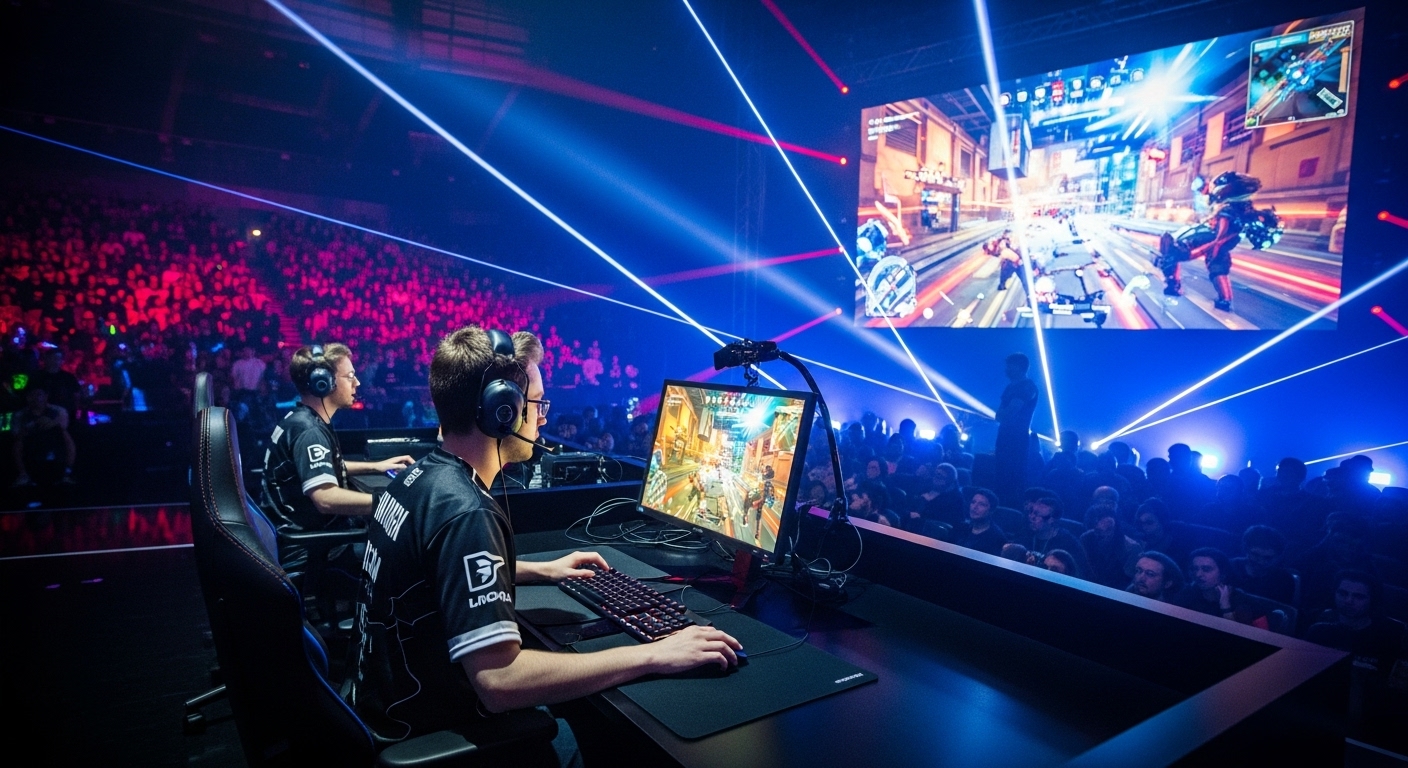
Professional gaming has become a mainstream career, offering players the chance to turn their passion into a living. Esports athletes are no longer just hobbyists; they’re full-time professionals, competing at the highest levels and managing intense schedules. While the rewards of being a pro gamer are substantial—fame, sponsorships, and, of course, the thrill of competition—the pressure to perform can be overwhelming. Many players, especially in fast-paced, high-stakes games, often struggle with burnout. The drive to constantly improve, combined with the physical and mental strain of long hours, can take a serious toll.
For those aspiring to maintain longevity in the competitive gaming scene, preventing burnout is critical. It’s essential to understand that gaming at a professional level is not just about talent; it’s about managing mental health, physical well-being, and work-life balance. Here are some key strategies to help pro gamers avoid burnout and stay at the top of their game.
1. Maintain a Healthy Work-Life Balance
One of the most important factors in preventing burnout is balancing work and personal life. Many professional gamers fall into the trap of playing for hours on end, neglecting the rest of their lives in the process. Training, scrims, and tournaments take up much of their time, and it can be easy to lose sight of self-care and relaxation.
To combat this, it’s crucial to set boundaries. Designate specific hours for gaming and stick to a schedule that allows for downtime. Taking breaks to engage in non-gaming activities, such as spending time with family, exercising, or pursuing hobbies outside of esports, helps recharge the mind and body. A well-rounded life reduces stress and enhances focus when it’s time to game.
Moreover, maintaining social connections outside of esports provides emotional support and a healthy distraction from the pressures of the competitive world. Building a strong support system is just as important as honing gaming skills.
2. Take Regular Breaks and Rest Days
It’s easy to feel like you need to be constantly grinding, but that mentality is often counterproductive. Extended periods of gameplay without sufficient breaks can lead to physical strain and mental fatigue. Professional gamers are at risk of repetitive stress injuries like carpal tunnel syndrome and eye strain, but mental burnout can also creep in when there is no time to rest and recover.
Incorporating short breaks throughout the day, as well as full rest days, is essential. Taking breaks every hour to stretch, walk around, and rest your eyes can help prevent physical strain. Additionally, designating one or two days a week to completely disconnect from gaming can do wonders for mental health. Use this time to unwind, focus on hobbies, or simply relax. Rest is vital for both physical and mental recovery, allowing you to come back to training or competition with renewed energy.
3. Prioritize Physical Health
Professional gaming isn’t just about mental stamina; physical health plays a crucial role in avoiding burnout. Long hours sitting at a desk can lead to poor posture, back pain, and other physical issues that can worsen over time. Neglecting physical well-being can also have negative effects on cognitive performance, leading to poor focus and fatigue.
Regular physical activity is essential for maintaining both physical and mental health. Incorporating daily exercise, such as stretching, yoga, or even a brisk walk, can alleviate stress, improve posture, and boost energy levels. Many pro gamers also find that maintaining good physical health through weight training or cardio helps them stay sharp during long gaming sessions. A strong body supports a strong mind, and physical fitness contributes to mental clarity and focus.
4. Set Realistic Goals and Expectations
Another key to avoiding burnout is setting realistic goals and managing expectations. It’s easy for pro gamers to fall into the trap of wanting to win every tournament or climb the ranks as quickly as possible. However, expecting constant success can lead to feelings of inadequacy or frustration, especially when faced with setbacks or losses.
Instead of focusing solely on outcomes, break your training into manageable, measurable goals. Whether it’s improving specific in-game mechanics, mastering a new strategy, or simply increasing consistency in your gameplay, smaller goals can help build confidence and prevent burnout. Celebrate your progress, no matter how small, and understand that setbacks are part of the journey. Not every match will be a victory, and that’s okay—what matters is consistent improvement.
It’s also important to accept that there will be periods of plateauing or even regression. Professional gamers aren’t immune to growth cycles, and it’s important to be patient with the process.
5. Develop a Supportive Team Environment
Esports is often seen as an individual pursuit, but in reality, it’s a team effort—whether you’re part of a formal team or competing in a solo title, the support you get from teammates, coaches, and managers plays a huge role in preventing burnout. Having a strong team dynamic creates a sense of camaraderie and reduces the pressure of individual performance.
A positive team environment where communication is open and supportive can make all the difference. Teammates should understand the importance of taking care of each other’s mental health and be able to openly discuss issues related to stress, performance, or emotional struggles. Coaches and managers also play an important role by helping players manage their schedules and workloads, ensuring that rest is prioritized, and providing mental health resources when needed.
Creating a collaborative and understanding atmosphere can relieve the isolation that many pro gamers experience. Having people to rely on during difficult times can make the competitive pressure feel more manageable.
6. Practice Mindfulness and Mental Health Awareness
The mental toll of competitive gaming is often overlooked, but it’s just as important as physical health. The pressure to perform, the fear of losing sponsorships or fans, and the stress of intense competition can all lead to burnout if not properly managed. Practicing mindfulness and self-care can help alleviate mental strain and improve focus.
Incorporating mindfulness techniques, such as meditation or deep breathing exercises, can reduce anxiety and increase resilience during stressful times. Many pro gamers also benefit from mental health coaching or sports psychologists to help them cope with the pressures of competition. Talking openly about mental health struggles within the gaming community is crucial to de-stigmatize the issue and encourage players to seek help when needed.
Building emotional resilience is key to long-term success in esports. Pro gamers who focus on mental health will be better equipped to handle setbacks, cope with pressure, and maintain a positive outlook, even in the face of adversity.
7. Keep the Passion Alive
Finally, one of the most important ways to avoid burnout is to stay passionate about the game. It’s easy to lose sight of why you started gaming in the first place when the grind becomes overwhelming. But maintaining that initial love and excitement for the game is essential to prevent burnout.
Take time to reflect on what you enjoy most about gaming, whether it’s the thrill of competition, the joy of mastering a new mechanic, or the satisfaction of teamwork. Participating in community events, streaming, or engaging with fans can also reignite your passion for the game. By reconnecting with the fun aspect of gaming, you remind yourself why you’re doing this in the first place.
Staying passionate will help you stay motivated and focused, ensuring that esports remains a rewarding career rather than a source of stress and exhaustion.
Conclusion: Sustainable Success in Esports
Burnout in professional gaming is real, but it’s avoidable. By taking a proactive approach to physical health, mental well-being, and work-life balance, pro gamers can sustain their careers without succumbing to the pressures of the competitive scene. With a combination of self-care, realistic goal-setting, team support, and mindfulness practices, you can enjoy a long and fulfilling career in esports.
Esports isn’t a sprint—it’s a marathon. Prioritizing rest, recovery, and emotional well-being ensures that players can continue to perform at their best, while also preserving their health and happiness for the long haul. After all, it’s not just about playing hard; it’s about playing smart and taking care of yourself, both on and off the screen.