






Introduction: The Digital Age of Competition
In the 21st century, the definition of sports has expanded beyond traditional fields, courts, and arenas. Competitive gaming, or esports, has emerged as a global phenomenon, blending skill, strategy, and entertainment in a digital landscape. What started as casual play in arcades and early home consoles has evolved into a multi-billion-dollar industry, captivating millions of fans worldwide.
Esports is not merely a hobby; it is a professional pursuit demanding exceptional mental agility, strategic thinking, and teamwork. Players compete for prize money, sponsorships, and international recognition, transforming video gaming into a career path. This blog explores the rise of esports, its cultural and economic impact, and the challenges and opportunities shaping its future.
The Origins of Competitive Gaming
Competitive gaming has a long and fascinating history. In 1972, the first documented video game competition took place at Stanford University, where students competed in Spacewar! for a subscription to a magazine. Though modest, this event marked the beginning of organized gaming competitions.
The 1980s saw the rise of arcade gaming. Games like Pac-Man, Donkey Kong, and Tetris encouraged high-score challenges, fostering competitive communities. Arcades became social hubs where players tested their skills and built reputations.
The 1990s introduced personal computers and home consoles, creating new multiplayer experiences. Games such as Doom, Quake, and Warcraft allowed players to compete over local networks and eventually the internet, forming the first global gaming communities and laying the foundation for professional esports.
The Internet Revolution: Global Connectivity and Competition
The late 1990s and early 2000s marked a turning point. With widespread internet access, players could compete with opponents worldwide in real time, transforming casual gaming into organized competition.
South Korea played a pivotal role in professionalizing esports. Fast internet and a strong gaming culture enabled televised tournaments, professional leagues, and team houses where players trained full-time. Gamers became celebrities, and sponsorships from corporations began supporting the industry.
This era solidified esports as both entertainment and a potential career path, attracting global audiences and paving the way for international tournaments.
Games That Shaped the Esports Landscape
Esports is diverse, encompassing multiple genres, each with unique competitive dynamics.
First-Person Shooters (FPS)
FPS games like Counter-Strike: Global Offensive, Call of Duty, and Overwatch test reflexes, accuracy, and teamwork. FPS tournaments draw massive audiences and remain central to the esports industry.
Multiplayer Online Battle Arenas (MOBA)
MOBA games, including League of Legends and Dota 2, emphasize strategy, coordination, and resource management. Major tournaments like The International and the League of Legends World Championship offer substantial prize pools and attract millions of viewers globally.
Battle Royale Games
Games like Fortnite and PUBG introduced survival-based gameplay with large-scale competition. These games appeal to younger audiences and have popularized esports in mainstream culture.
Sports Simulation Games
Titles like FIFA, NBA 2K, and Rocket League allow fans to compete virtually in familiar sports, combining skill with strategic knowledge of the sport itself.
Fighting Games
Games such as Street Fighter, Tekken, and Super Smash Bros. focus on one-on-one skill-based competition, highlighting reflexes, precision, and strategy.
The Life of a Professional Esports Athlete
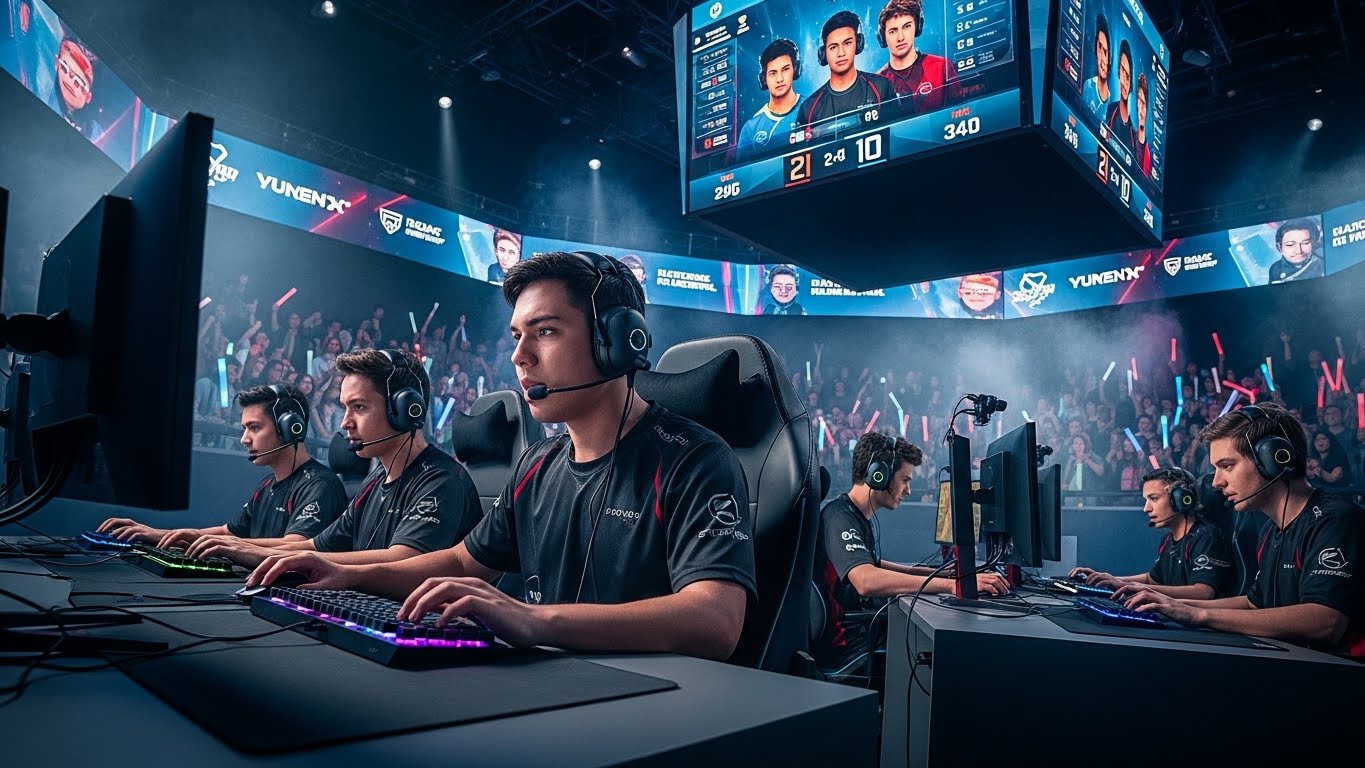
Professional esports requires dedication comparable to traditional sports. Players often begin their careers in their teens, committing long hours to practice, strategy, and analysis. Professional teams operate like sports franchises, employing managers, coaches, nutritionists, and psychologists to maintain peak performance.
Daily routines include intensive practice sessions, scrimmages, tactical discussions, and fitness exercises to ensure mental and physical health. Quick decision-making, communication, and teamwork are critical. High-pressure tournaments test a player’s resilience and composure.
Top players earn substantial income through salaries, tournament winnings, sponsorships, and streaming revenue, inspiring millions worldwide to pursue esports professionally.
The Economics of Esports
Esports has grown into a billion-dollar industry, generating revenue through sponsorships, media rights, ticket sales, merchandise, and in-game purchases. Global brands recognize esports as a marketing platform, targeting younger, digitally engaged audiences.
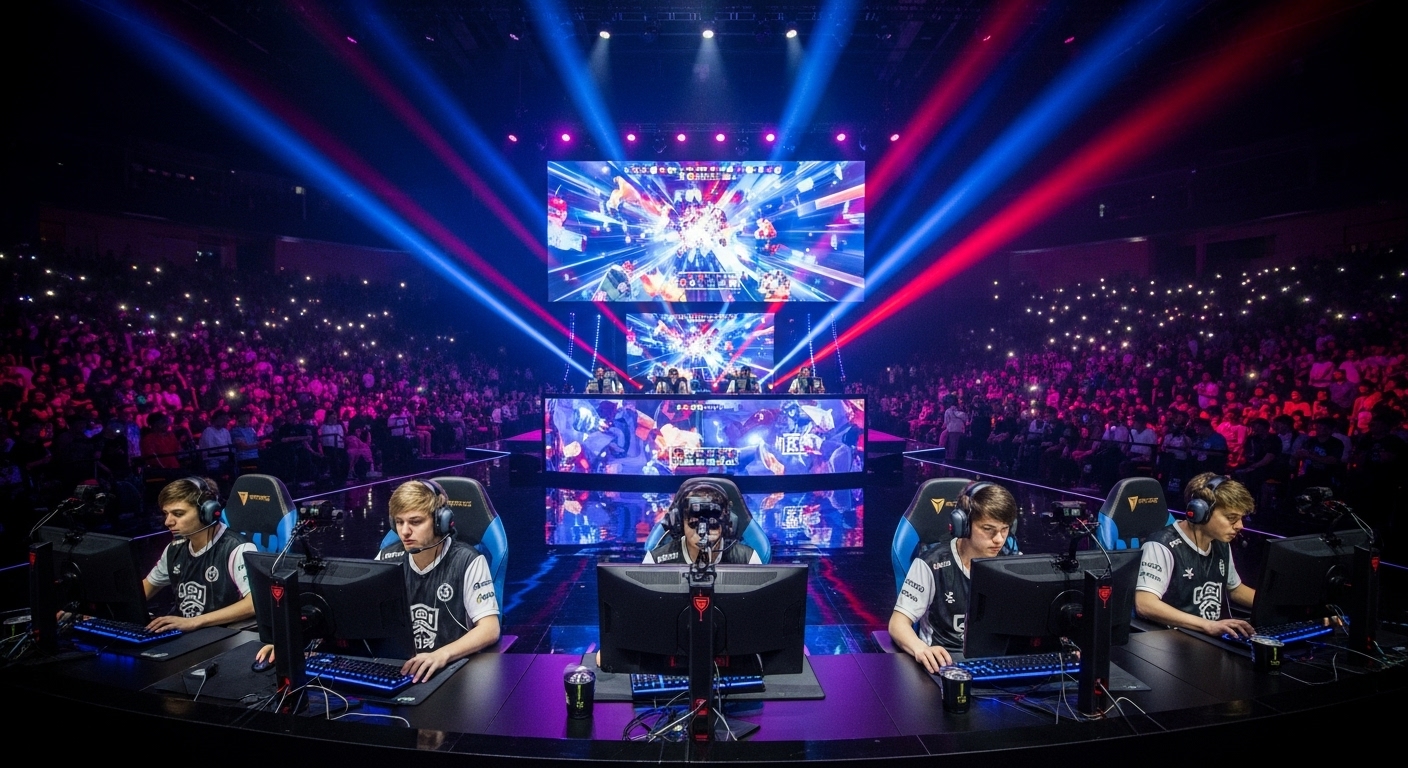
Tournaments now rival traditional sporting events in scale and production quality, featuring elaborate stages, professional commentators, and live audiences. Esports organizations manage brand identity, fan engagement, and player contracts similarly to conventional sports franchises.
The economic impact extends beyond players and teams, creating jobs in game development, broadcasting, event management, and marketing, highlighting esports as a key driver of the digital economy.
Streaming and Fan Engagement
Streaming platforms have revolutionized esports. Services like Twitch and YouTube Gaming allow millions of viewers to watch live tournaments, interact with players, and participate in online communities.
Streaming creates a dynamic fan experience where viewers are actively engaged rather than passive spectators. Players can monetize their content, build personal brands, and connect with global audiences, further expanding esports’ reach.
Esports in Education
Educational institutions are increasingly embracing esports. Colleges and universities offer scholarships, esports teams, and programs in game design, digital media, and esports management.
Participation in esports fosters teamwork, leadership, communication, and strategic thinking. Schools are becoming incubators for future professional players, coaches, and industry professionals, integrating esports into mainstream education.
Mental and Physical Wellbeing in Esports
Competitive gaming can be mentally and physically taxing. Long hours, high expectations, and public scrutiny may lead to stress and burnout. Many esports organizations now include mental health support, mindfulness training, and structured rest periods.
Physical health is also essential. Ergonomics, fitness, and proper nutrition are critical to prevent repetitive strain injuries, eye fatigue, and posture problems. Maintaining health ensures longevity and sustained performance in competitive gaming.
Global Influence and Cultural Impact
Esports has transformed cultural perceptions of gaming. It influences fashion, music, entertainment, and technology, attracting international audiences and establishing gaming as a respected pursuit.
Countries like South Korea, China, and the United States have embraced esports, providing infrastructure, professional leagues, and recognition for players. Global esports tournaments unite diverse communities, transcending language and cultural barriers.
Challenges Facing Esports
Despite its rapid growth, esports faces significant challenges:
Regulation and Governance
The lack of a unified governing body leads to inconsistent rules, tournament structures, and contract enforcement, creating potential disputes and ethical issues.
Player Burnout
High-intensity schedules and pressure can shorten careers, emphasizing the need for balanced training and mental health support.
Inclusivity and Diversity
Gender representation and community inclusivity require ongoing attention to ensure esports remains welcoming to all players.
Financial Sustainability
While top-tier organizations thrive, smaller teams often struggle financially, highlighting the need for sustainable business models across the industry.
The Role of Technology in Esports
Technology is integral to esports. High-performance computers, fast internet, streaming platforms, and advanced peripherals enable global competition.
Emerging technologies like virtual reality, augmented reality, cloud gaming, and artificial intelligence are expanding the possibilities of esports. These innovations enhance player performance, improve training methods, and create immersive experiences for audiences.
The Future of Esports
The future of esports is promising. Advancements in technology, increased mainstream recognition, and investment suggest continued growth. Esports may eventually feature in global sporting events, including the Olympics, due to its skill, discipline, and international reach.
Hybrid events combining physical and digital participation are likely to become common. Esports integration into education, media, and entertainment ensures it will remain a cultural and economic powerhouse in the years ahead.
Conclusion: Esports as a Cultural Revolution
Esports has redefined competition, entertainment, and achievement in the digital age. From humble beginnings in arcades to global stadiums and online broadcasts, it has evolved into a professional and cultural phenomenon.
For players, esports offers careers filled with opportunity. For fans, it provides community, excitement, and inspiration. For the economy, it drives technological innovation and job creation.
Esports is no longer a niche hobby; it is a global revolution. It demonstrates that competition, passion, and excellence transcend physical boundaries, creating a new era of digital athletes who compete on a worldwide stage.