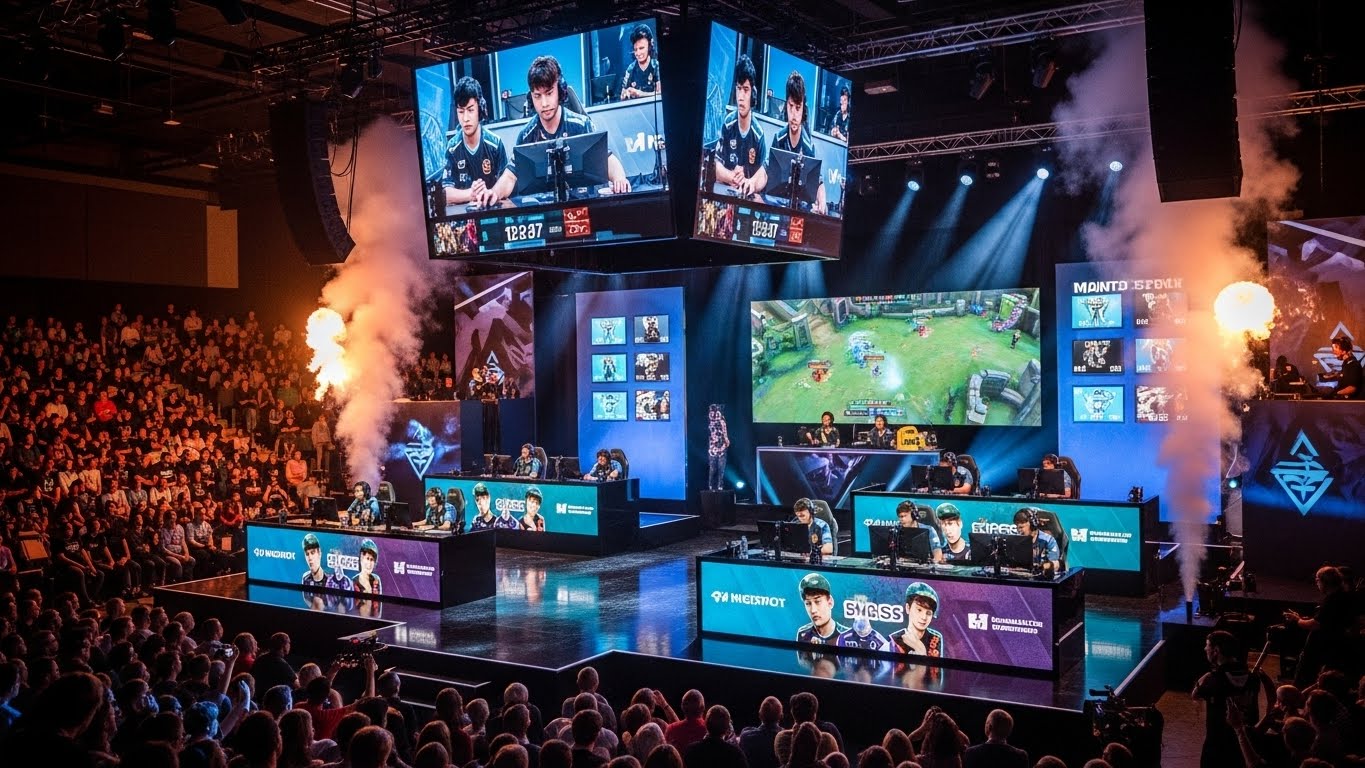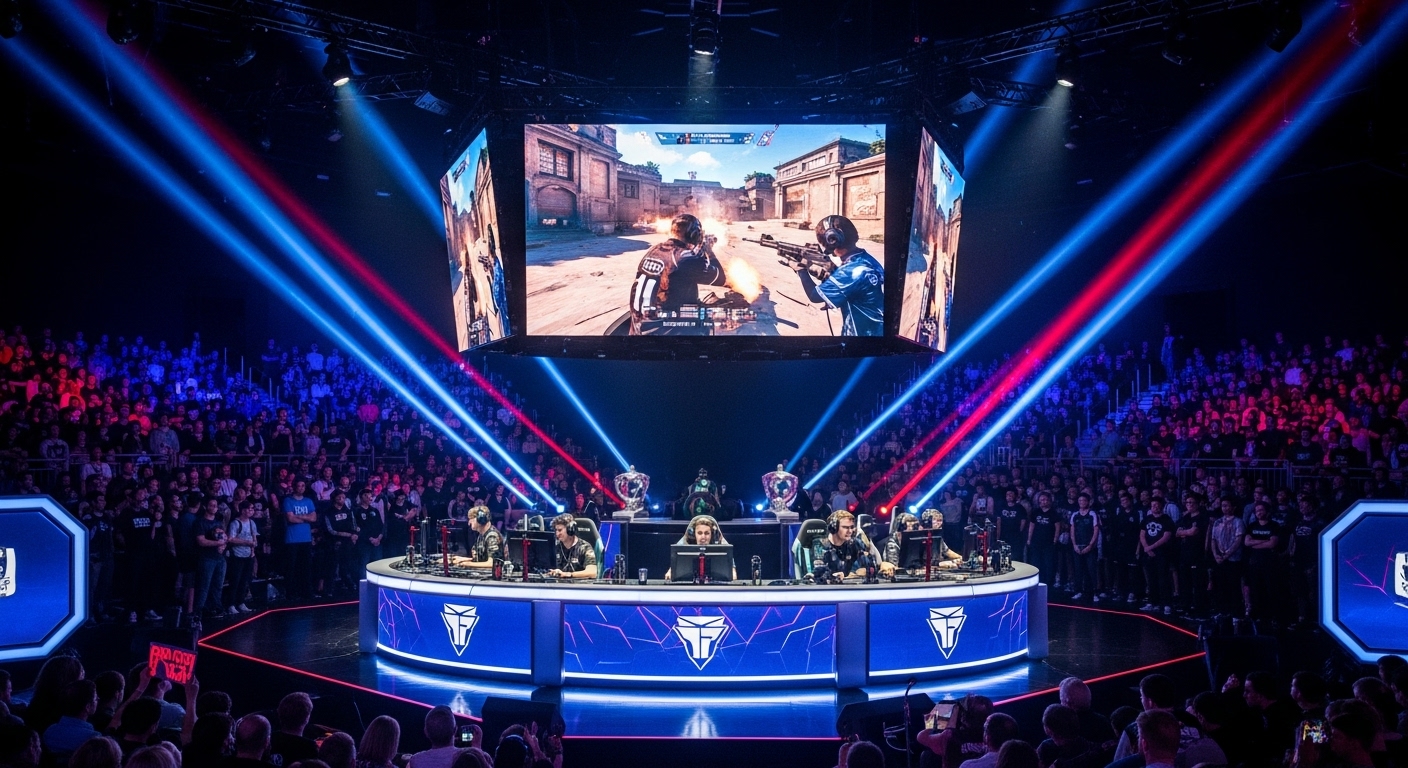






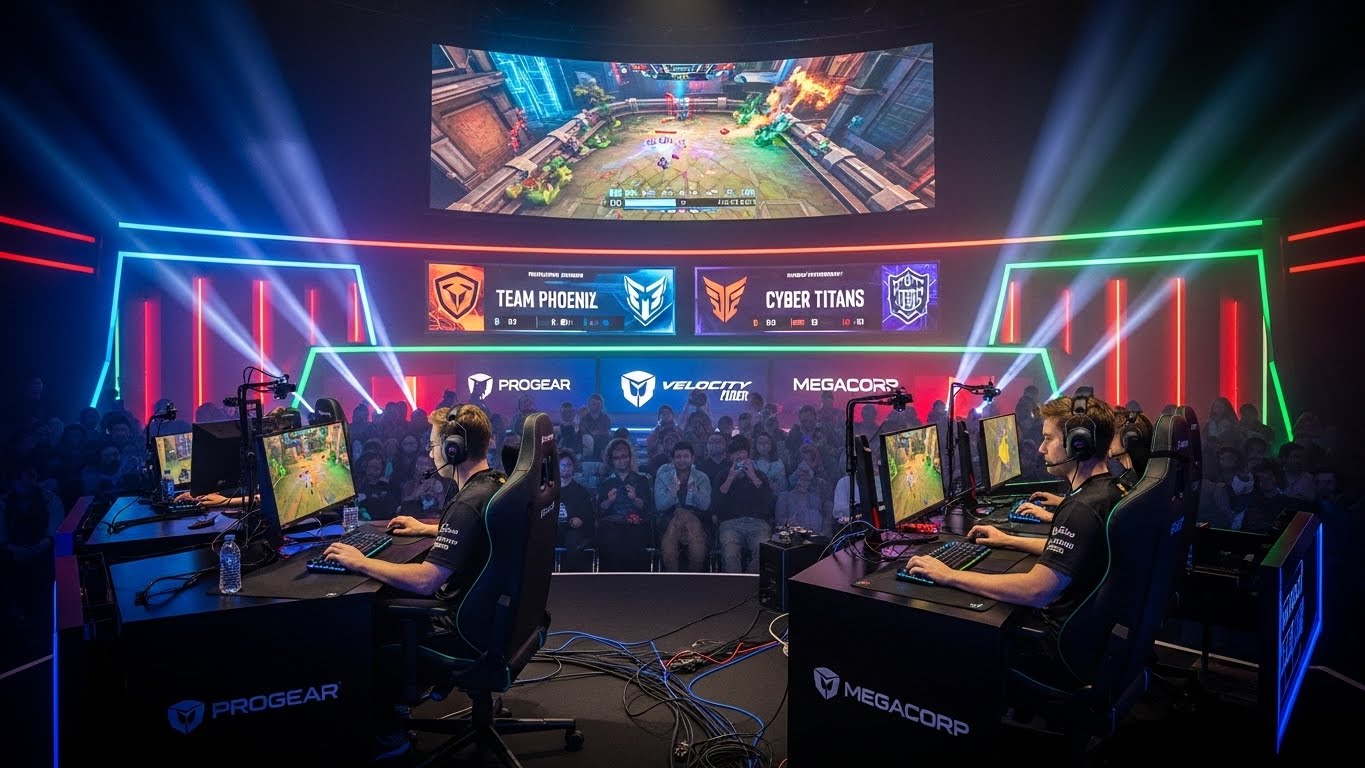
Esports, or competitive gaming, has emerged as one of the fastest-growing industries in the world. What once started as casual gaming among friends has evolved into a billion-dollar global phenomenon, attracting millions of viewers, professional players, and corporate investment. The rise of esports reflects the changing landscape of entertainment, technology, and sports culture, providing opportunities for players, fans, and businesses alike. In this blog, we explore the growth of esports, its economic and social impact, technological advancements, career opportunities, challenges, and what the future holds.
The Origins of Esports: From Arcades to Online Competitions
The story of esports begins in the early days of video gaming. In the 1970s and 1980s, competitive gaming was largely confined to arcades, where high-score challenges fostered local competition. Games like Pac-Man, Space Invaders, and Street Fighter laid the foundation for competitive play.
The late 1990s and early 2000s brought the rise of online multiplayer games, marking a major turning point. Titles like StarCraft, Counter-Strike, and Warcraft III introduced structured competitive gameplay, allowing players to compete globally. These games also established professional teams and leagues, turning casual play into organized competition.
With the advancement of streaming platforms in the 2010s, esports gained unprecedented visibility. Platforms allowed fans to watch live matches, interact with commentators, and follow their favorite players in real time. Today, esports tournaments fill stadiums, attract millions of viewers online, and are broadcast in multiple countries, solidifying esports as a mainstream form of entertainment.
The Economic Impact of Esports
Esports has become a major economic force, with revenue generated from sponsorships, advertising, media rights, merchandise, and ticket sales. Companies ranging from tech brands to beverage and apparel companies invest heavily in esports as a way to reach younger, digitally connected audiences.
Professional players can earn substantial incomes, including salaries, tournament winnings, and sponsorship deals. Top players are often regarded as celebrities, with fan bases rivaling those of traditional athletes. Esports also creates employment opportunities beyond players, including roles for coaches, analysts, event organizers, commentators, and content creators.
The industry has further stimulated growth in gaming peripherals, hardware, and streaming technologies. As the esports ecosystem expands, it continues to contribute significantly to the global digital economy, creating new business models and opportunities for innovation.
Esports and Community Building
One of the unique aspects of esports is its ability to foster vibrant online communities. Gamers from around the world connect through forums, streaming platforms, and social media, sharing strategies, experiences, and fan culture. These communities provide support networks and create a sense of belonging for individuals with shared interests.
Esports also encourages teamwork, communication, and strategic thinking. Multiplayer games require players to coordinate, plan tactics, and adapt under pressure, skills that can extend beyond gaming into professional and personal life. Additionally, esports communities often emphasize inclusivity, offering spaces where players from diverse backgrounds, genders, and abilities can participate on an equal footing.
The Role of Technology in Esports
Technology is the backbone of esports, enabling high-performance gameplay, streaming, and global connectivity. Advances in high-speed internet, graphics processing, and gaming software ensure smooth, competitive play. Streaming platforms provide real-time access to matches, allowing fans to experience events as if they were in the arena.
Emerging technologies such as virtual reality and augmented reality are beginning to influence esports, creating immersive experiences for players and audiences alike. Artificial intelligence supports training and analysis, helping players refine strategies and anticipate opponents’ moves. Cloud gaming is also expanding accessibility, allowing players to participate without needing expensive hardware.
The integration of technology continues to drive esports growth, making competitions more engaging, interactive, and globally inclusive.
Career Opportunities in Esports
Esports has become a viable career path for individuals interested in gaming, technology, or digital media. Beyond professional players, there are opportunities in game development, event management, marketing, broadcasting, content creation, and analytics.
Educational institutions are increasingly offering programs focused on esports management, game design, and digital media, recognizing the industry’s growing legitimacy. Scholarships for esports athletes provide pathways similar to traditional sports, supporting young talent in pursuing competitive gaming professionally.
Career development in esports emphasizes discipline, consistent practice, teamwork, and strategic thinking. Like any competitive field, success requires dedication, resilience, and continuous skill improvement, offering players and professionals opportunities for growth and recognition.
Challenges Facing the Esports Industry
Despite its growth, esports faces several challenges. One major issue is the lack of standardized regulations and governance. Unlike traditional sports, esports competitions vary in rules, formats, and prize distributions, which can lead to inconsistencies and disputes.
Player health and well-being are also significant concerns. Competitive gaming often involves extended screen time, repetitive motions, and high mental stress. Injuries such as repetitive strain or eye strain are common, and mental health issues including anxiety and burnout are growing concerns. Teams and organizations are increasingly focusing on physical fitness, psychological support, and structured schedules to address these challenges.
Financial sustainability presents another hurdle. While top-tier events generate substantial revenue, smaller leagues and amateur competitions often struggle to secure funding and visibility. Developing a balanced ecosystem that supports both elite and grassroots esports is crucial for long-term industry stability.
The Global Reach of Esports
Esports has transcended cultural and geographical boundaries. Countries like South Korea, China, and the United States have become major hubs for competitive gaming, while emerging markets in Europe, Southeast Asia, and Latin America are rapidly growing in participation and viewership.
This global reach has helped esports create a multicultural fan base and a worldwide network of players and teams. International tournaments and leagues foster cross-border collaboration and competition, enhancing the sense of community and shared experience across continents.
The Future of Esports
The future of esports is both exciting and transformative. Technological innovations such as virtual reality, augmented reality, and AI-driven analytics will redefine gameplay and spectator experiences. Mobile esports is expanding rapidly, increasing accessibility and participation in regions with limited access to high-end gaming equipment.
Esports may also continue to intersect with traditional sports, entertainment, and education, creating hybrid experiences that engage wider audiences. Cross-industry collaborations with fashion, music, and lifestyle brands are likely to further elevate the cultural impact of esports.
As the industry matures, standardization, player welfare, and sustainable growth will be essential to ensure esports continues to thrive as a professional, respected, and inclusive form of competition.
Conclusion: Esports as a Cultural and Professional Phenomenon
Esports has emerged as a powerful cultural and professional movement, reshaping entertainment, technology, and social interaction. From its humble beginnings in arcades to global tournaments with millions of viewers, esports reflects the evolution of gaming into a serious, professional, and inclusive industry.
Its economic, social, and technological impact demonstrates that esports is far more than a pastime—it is a legitimate career path, a thriving community, and a symbol of digital innovation. As technology continues to advance and audiences expand, esports will continue to influence culture, business, and entertainment worldwide.
Embracing esports means recognizing competitive gaming not just as a form of play, but as a platform for creativity, teamwork, and global connection. The digital arena is no longer just a game—it is a stage where the future of competition, innovation, and entertainment is being written.