





Introduction to a New Sporting Era
The concept of sports has evolved dramatically over the last few decades. What was once limited to physical arenas, stadiums, and fields has now expanded into the digital realm. Esports, or electronic sports, represents a new era of competitive entertainment where skill, strategy, and teamwork unfold through video games rather than physical contact. This rapidly growing industry has transformed gaming from a casual pastime into a global phenomenon, attracting millions of players, fans, and investors worldwide. Esports is no longer just about playing games; it is about culture, careers, and a redefinition of what competition means in the modern world.
The Origins and Evolution of Esports
Esports did not emerge overnight. Its roots can be traced back to the early days of video gaming when players competed in arcade tournaments for high scores and recognition. As technology advanced, online multiplayer games enabled players from different regions to compete against each other in real time. This connectivity laid the foundation for organized competitive gaming. Over time, dedicated tournaments, professional teams, and structured leagues began to form. What started as small community-driven events eventually grew into large-scale productions with live audiences, professional commentators, and global broadcasts.
Esports as a Legitimate Competitive Discipline
One of the most significant debates surrounding esports has been whether it should be considered a real sport. While traditional sports emphasize physical strength and endurance, esports focuses on mental agility, reflexes, strategic thinking, and teamwork. Professional esports players train for hours every day, studying game mechanics, analyzing opponents, and refining their coordination. The discipline required to compete at the highest level rivals that of traditional athletes. As a result, esports has gained recognition as a legitimate competitive discipline that demands dedication, skill, and resilience.
The Role of Technology in Esports Growth
Technology is the backbone of esports. High-performance computers, gaming consoles, advanced software, and high-speed internet connections make competitive gaming possible. Streaming platforms have also played a crucial role in the rise of esports by allowing fans to watch live matches from anywhere in the world. Innovations in graphics, virtual reality, and artificial intelligence continue to enhance the gaming experience, making esports more immersive and accessible. As technology evolves, esports is likely to become even more interactive and engaging for both players and spectators.
Professional Players and Team Dynamics
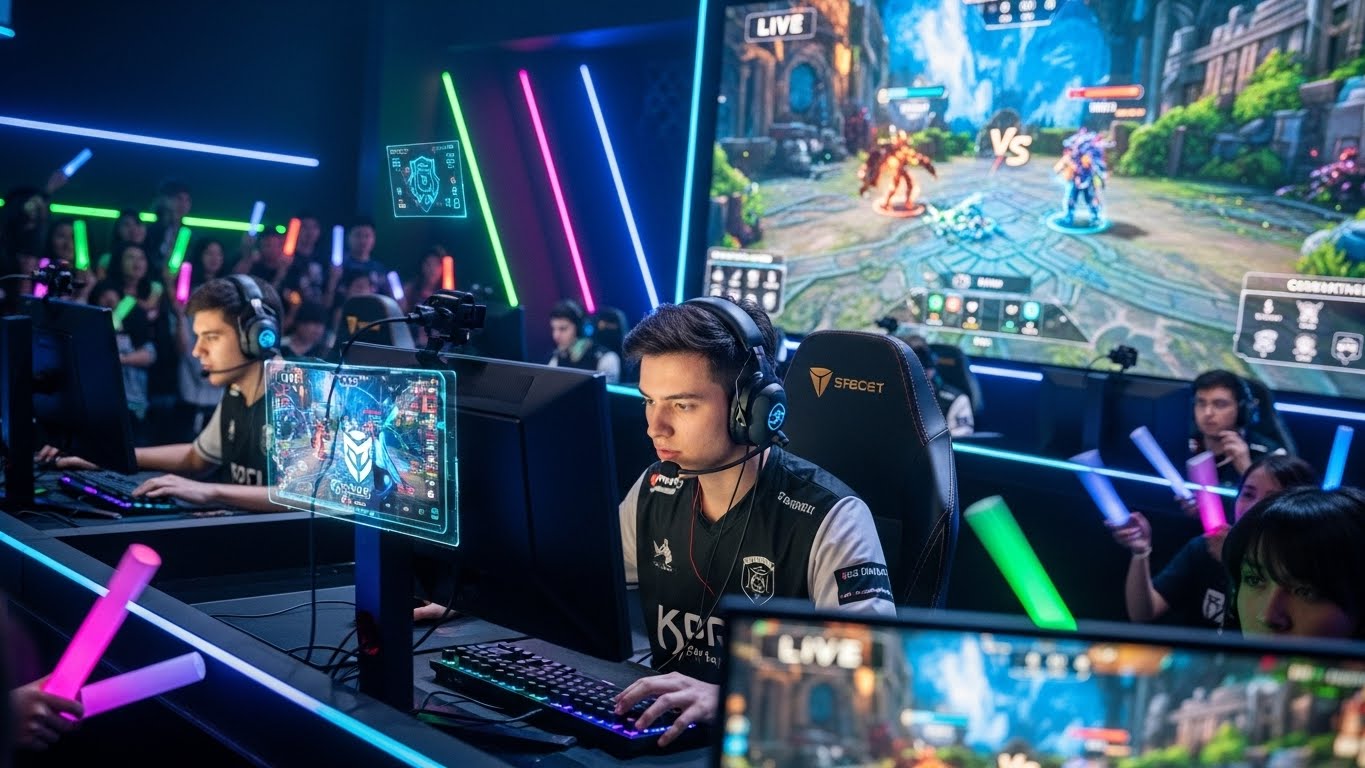
At the heart of esports are the players who dedicate their lives to mastering their chosen games. Professional esports players often specialize in specific roles within a team, each contributing to the overall strategy. Communication, trust, and coordination are essential for success. Teams employ coaches, analysts, and support staff to help players improve their performance and maintain their mental and physical health. The professional structure of esports teams mirrors that of traditional sports organizations, emphasizing preparation, teamwork, and long-term development.
Esports as a Career Opportunity
Esports has opened up a wide range of career opportunities beyond professional play. Players can become streamers, content creators, coaches, or analysts. There are also roles in event management, marketing, game development, and broadcasting. Universities and educational institutions have begun offering esports programs and scholarships, recognizing the industry’s potential. For many young people, esports represents a viable career path that combines passion with professional growth, challenging traditional notions of success and employment.
The Global Esports Community
One of the most remarkable aspects of esports is its global reach. Players and fans from different cultures and backgrounds come together through shared interests and experiences. International tournaments bring together teams from around the world, fostering a sense of global community. Language barriers often fade as players communicate through the universal language of gameplay. This inclusivity has helped esports become a powerful cultural force, connecting people across borders and creating a shared digital identity.
Economic Impact of the Esports Industry
The economic influence of esports is substantial and continues to grow. Sponsorships, advertising, merchandise, ticket sales, and media rights generate significant revenue. Major brands have entered the esports space, recognizing its ability to engage younger audiences. Cities and countries invest in esports events to boost tourism and local economies. The industry’s financial success has further legitimized esports and attracted investors who see long-term potential in competitive gaming.
Esports and Youth Culture
Esports has had a profound impact on youth culture. For many young people, gaming is not just entertainment but a form of self-expression and social interaction. Esports heroes inspire fans in the same way traditional athletes do, influencing fashion, language, and lifestyle. Online communities provide spaces for collaboration, creativity, and belonging. While concerns about screen time and balance remain, esports has also encouraged teamwork, problem-solving, and digital literacy among younger generations.
Challenges and Criticisms Facing Esports
Despite its success, esports faces several challenges. Issues such as player burnout, mental health, and work-life balance are growing concerns. The industry’s rapid growth has also raised questions about regulation, fairness, and sustainability. Cheating, match-fixing, and toxic behavior can undermine the integrity of competitive gaming. Addressing these challenges requires cooperation between developers, teams, organizers, and communities to ensure a healthy and ethical esports ecosystem.
The Role of Education and Training
Education plays an increasingly important role in the development of esports. Training programs focus not only on gameplay but also on communication skills, leadership, and emotional intelligence. Many organizations emphasize physical fitness and mental well-being as part of a holistic approach to player development. By integrating education and training, esports can nurture well-rounded individuals who are prepared for both competition and life beyond gaming.
Esports and the Future of Entertainment
Esports is reshaping the entertainment landscape. Its interactive nature allows fans to engage with content in ways that traditional media cannot. Viewers can chat with players, participate in live discussions, and even influence in-game events. This level of engagement creates a deeper connection between audiences and competitors. As entertainment continues to move toward digital and interactive formats, esports is well-positioned to lead the way.
Cultural Acceptance and Mainstream Recognition
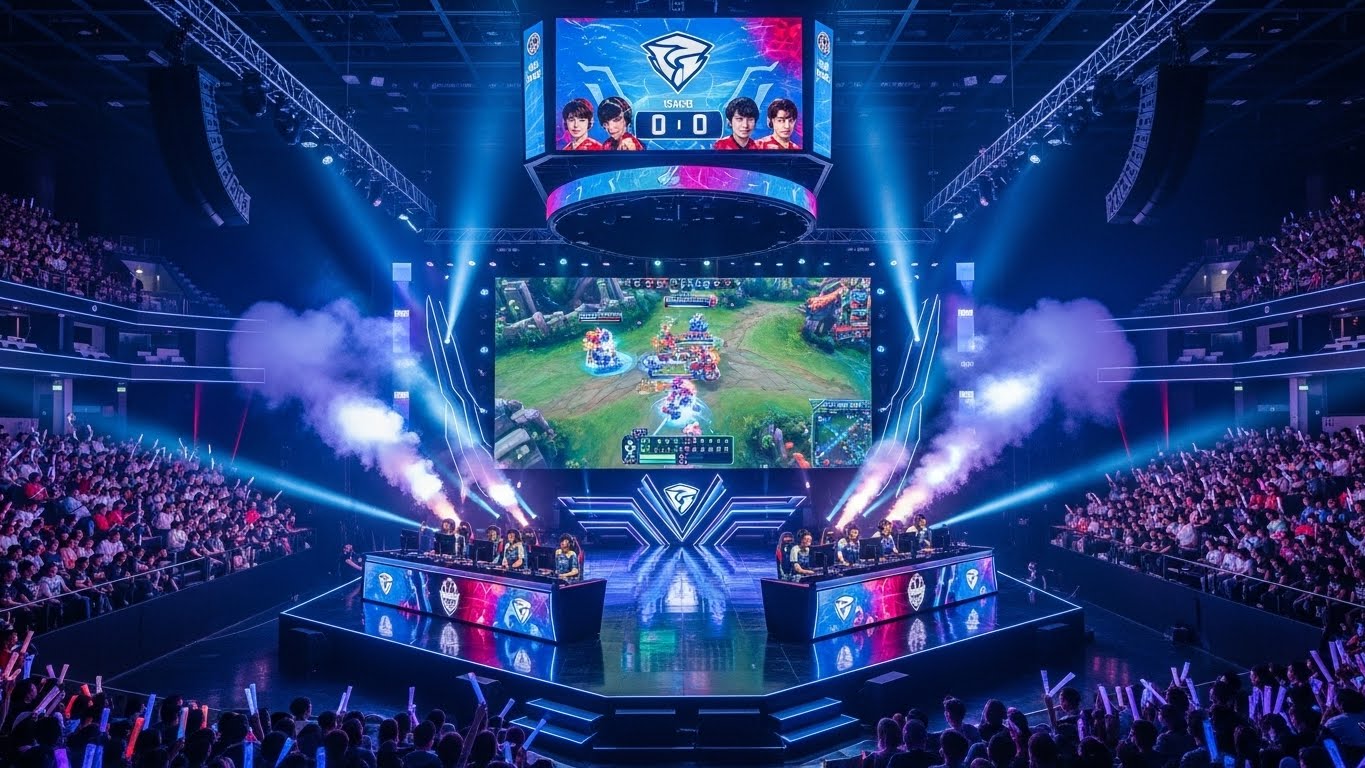
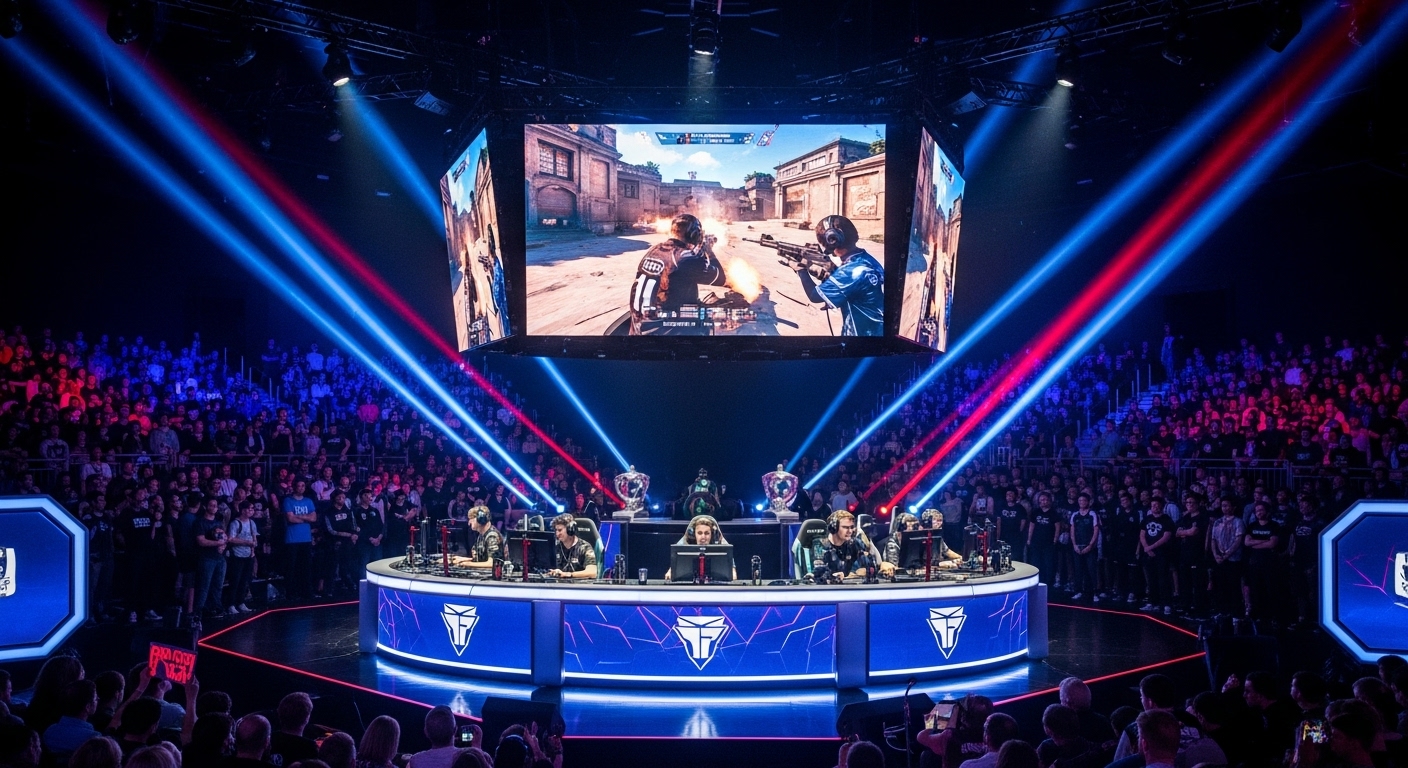
Esports has steadily moved toward mainstream acceptance. Major sporting organizations, celebrities, and media outlets have embraced competitive gaming. Esports events are held in large arenas and broadcast to millions of viewers worldwide. This recognition has helped break down stereotypes about gamers and gaming culture. As society becomes more digitally oriented, esports is increasingly seen as a natural and valuable form of competition and entertainment.
The Future Outlook of Esports
The future of esports is filled with possibilities. Advances in technology, expanding global audiences, and increasing investment suggest continued growth. New games and formats will emerge, keeping the industry dynamic and innovative. Esports may also play a role in shaping how people learn, socialize, and compete in digital spaces. While challenges remain, the industry’s adaptability and creativity position it for long-term success.
Conclusion: A Digital Revolution in Competition
Esports represents more than just games on a screen. It is a reflection of how technology, culture, and competition intersect in the modern world. By redefining what it means to be an athlete and how audiences engage with entertainment, esports has created a new paradigm for sports and community. As it continues to evolve, esports will undoubtedly influence future generations and leave a lasting impact on global culture. The digital age has given rise to a new kind of competition, and esports stands at the forefront of this exciting transformation.