






Introduction: The Rise of a Digital Arena
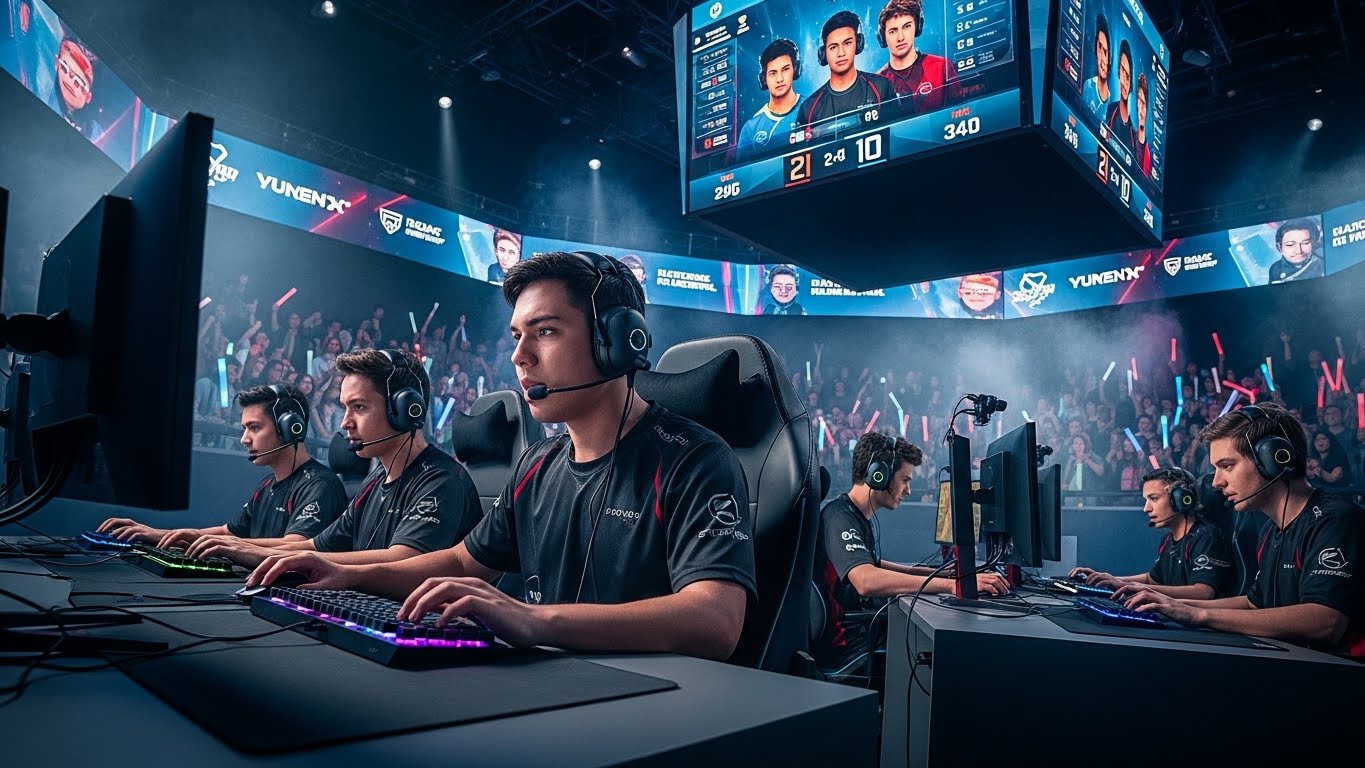
Esports, once dismissed as a niche hobby for passionate gamers, has evolved into a global phenomenon that rivals traditional sports in viewership, revenue, and cultural influence. Stadiums fill with cheering fans, millions watch live broadcasts online, and professional players train with the discipline of elite athletes. What began in bedrooms and internet cafés has transformed into a structured, professional, and highly competitive industry. Esports today is not just about games; it is about community, innovation, opportunity, and the future of entertainment.
Understanding Esports: More Than Just Gaming
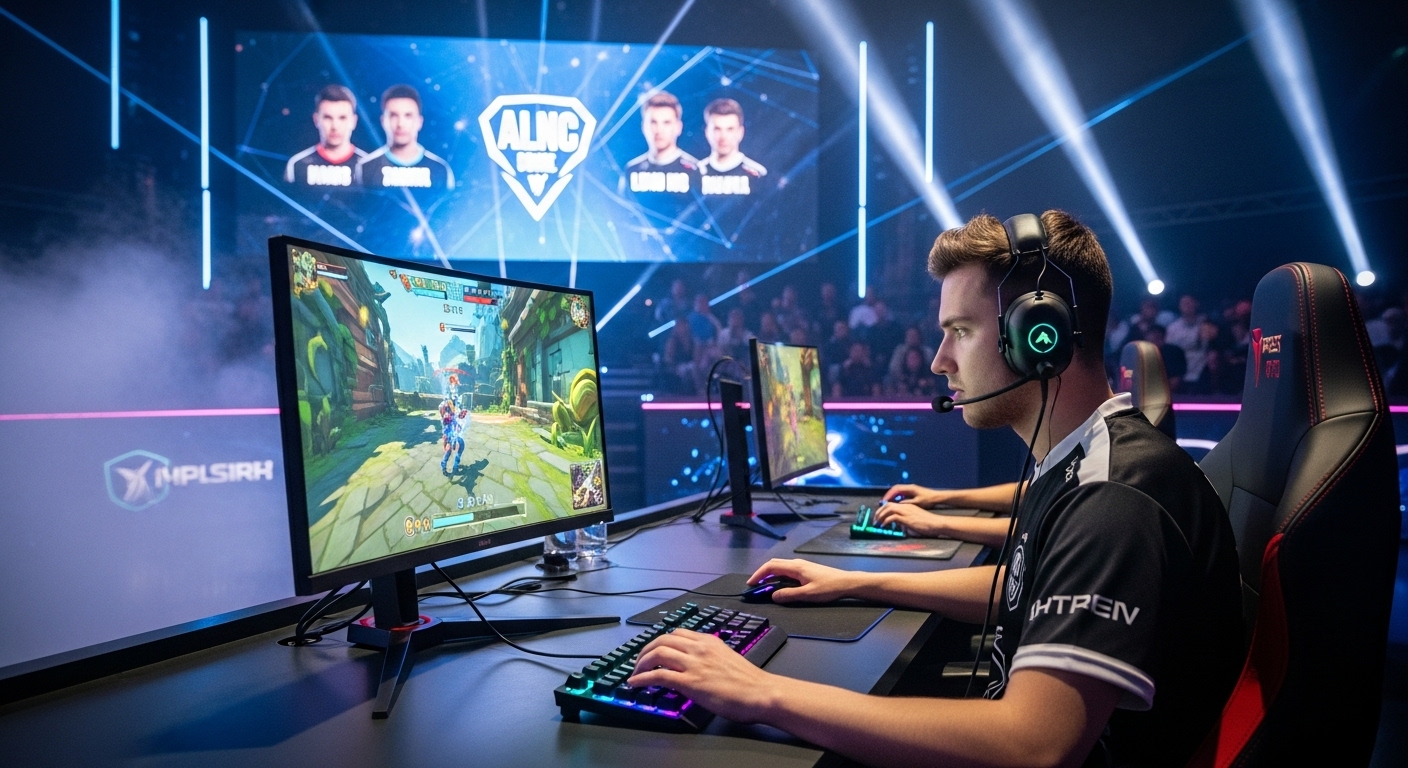
At its core, esports refers to organized, competitive video gaming where individuals or teams compete in popular titles under official rules and formats. Unlike casual gaming, esports emphasizes high-level skill, strategic depth, and professional standards. Games are selected based on balance, spectator appeal, and competitive integrity. Players often specialize in a single game for years, mastering mechanics, strategies, and teamwork.
What separates esports from traditional gaming is structure. Leagues, tournaments, seasons, rankings, and governing bodies provide consistency and legitimacy. Coaches, analysts, managers, and support staff work behind the scenes to ensure peak performance. This ecosystem mirrors traditional sports, proving that esports is not a temporary trend but a mature competitive discipline.
A Brief History of Esports Evolution
The roots of esports can be traced back to the late twentieth century, when early video game competitions were held in arcades and small conventions. As internet access expanded, online multiplayer games enabled global competition. This shift allowed players from different countries to compete without physical barriers.
The real turning point came with streaming technology, which allowed audiences to watch matches live. Viewers could engage with players, commentators, and communities in real time. This accessibility fueled rapid growth, attracting sponsors, investors, and mainstream attention. Over time, prize pools increased, production quality improved, and esports gained recognition as a legitimate form of competition.
The Games That Define the Industry
Esports thrives on a diverse range of game genres, each offering unique challenges and spectator experiences. Strategy-based games test planning and decision-making under pressure. First-person shooters emphasize reflexes, precision, and teamwork. Sports simulations replicate real-world athletics, while battle-focused games combine survival, adaptability, and mechanical skill.
Each title contributes differently to the esports ecosystem, attracting distinct audiences and player personalities. This diversity ensures that esports appeals to a wide range of fans, from those who appreciate tactical depth to those who enjoy fast-paced action.
The Life of a Professional Esports Player
Becoming a professional esports player requires far more than talent. Training schedules can be intense, often involving long hours of practice, review sessions, and team coordination. Players analyze gameplay footage, study opponents, and refine strategies continuously. Physical health, mental resilience, and focus are critical, as high-pressure matches can be mentally exhausting.
Contrary to stereotypes, professional players increasingly prioritize fitness, nutrition, and sleep. Organizations recognize that peak performance depends on overall well-being. Careers, however, can be short due to rapid game updates and intense competition. As a result, many players plan for life beyond active competition by transitioning into coaching, content creation, or management roles.
Esports as a Spectator Experience
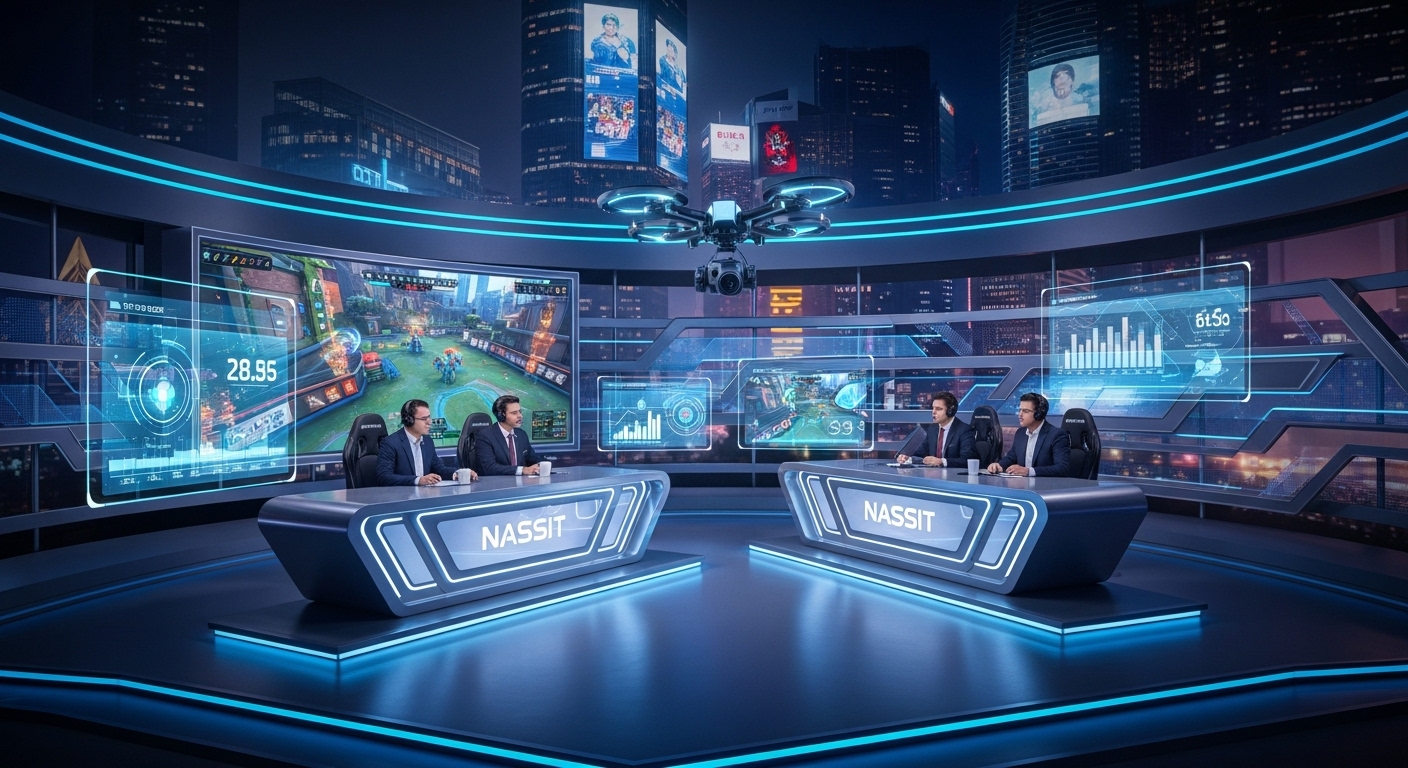
One of the strongest drivers of esports growth is its appeal as a spectator event. High-quality broadcasts feature professional commentators, in-depth analysis, and cinematic production. Viewers can follow storylines, rivalries, and underdog journeys throughout a season. This narrative element keeps audiences emotionally invested.
Unlike traditional sports, esports allows for direct interaction between fans and players. Live chats, social media engagement, and community events create a sense of closeness and accessibility. Fans feel like active participants rather than passive viewers, strengthening loyalty and long-term interest.
Economic Impact and Career Opportunities
Esports has developed into a significant economic force. Revenue streams include sponsorships, advertising, merchandise, ticket sales, and media rights. Brands from technology, fashion, food, and finance sectors have entered the space, recognizing the value of reaching a young, digitally engaged audience.
Beyond players, esports creates numerous career opportunities. Event organizers, broadcast producers, graphic designers, marketers, journalists, and software developers all contribute to the industry. Educational institutions now offer programs focused on esports management and production, signaling long-term confidence in the field.
Cultural Influence and Global Reach
Esports transcends borders, languages, and cultures. International tournaments bring together players and fans from around the world, fostering cross-cultural exchange. Shared passion for games creates common ground, breaking down traditional barriers.
The influence of esports extends into fashion, music, and popular culture. Professional players become influencers, shaping trends and inspiring millions. This cultural impact demonstrates how esports reflects the values of a digitally connected generation that values skill, creativity, and inclusivity.
Challenges Facing the Esports Industry
Despite its success, esports faces significant challenges. Player burnout is a growing concern due to demanding schedules and constant competition. Ensuring fair play and preventing cheating requires ongoing technological and regulatory efforts. Financial sustainability for smaller teams and leagues can also be difficult, especially in a rapidly changing market.
Another challenge lies in public perception. While acceptance is growing, some still question esports as a legitimate sport. Addressing these concerns requires continued professionalism, transparency, and education about the skill and dedication involved in competitive gaming.
The Role of Technology and Innovation
Technology is the backbone of esports. Advancements in hardware, software, and connectivity directly impact performance and viewing experiences. Virtual reality, augmented reality, and artificial intelligence are beginning to influence training methods and broadcast production.
Data analytics plays an increasingly important role, helping teams refine strategies and evaluate performance. As technology evolves, esports will continue to push the boundaries of how competition is played, watched, and understood.
Esports and Education
Educational institutions are embracing esports as a tool for engagement and learning. Schools and universities establish teams, scholarships, and clubs, providing students with opportunities to compete and collaborate. Beyond gaming skills, students develop teamwork, leadership, communication, and problem-solving abilities.
Esports also encourages interest in technology-related fields such as programming, design, and media production. By integrating esports into education, institutions connect academic learning with students’ passions, making education more relevant and engaging.
The Future of Esports
The future of esports looks promising and dynamic. As infrastructure improves and audiences grow, esports is likely to become even more integrated into mainstream entertainment. Collaborations with traditional sports, expanded global leagues, and increased diversity among players and fans will shape the next phase of growth.
Sustainability will be key. Balancing commercial success with player welfare, competitive integrity, and community values will determine long-term success. If managed thoughtfully, esports has the potential to remain a defining element of digital culture for generations.
Conclusion: A New Era of Competition
Esports represents more than competitive gaming; it symbolizes how technology reshapes human interaction, entertainment, and ambition. It offers a platform where skill, strategy, and creativity are celebrated on a global stage. From players and fans to professionals working behind the scenes, esports brings together a diverse community united by passion.
As the industry continues to mature, it challenges traditional ideas of sport and competition. Esports proves that excellence can emerge from digital spaces, and that the future of competition is not confined to physical arenas. It exists wherever talent, dedication, and imagination meet, beyond the screen.