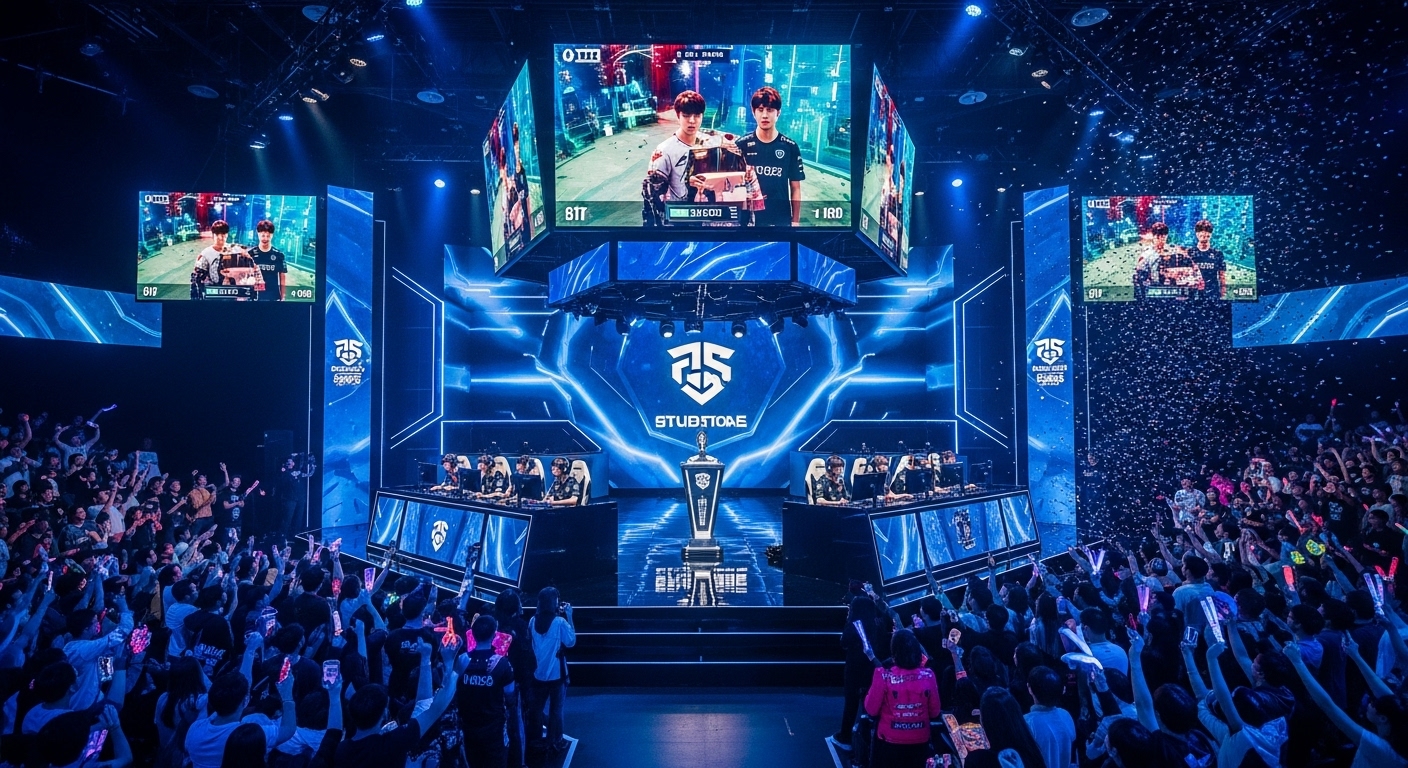






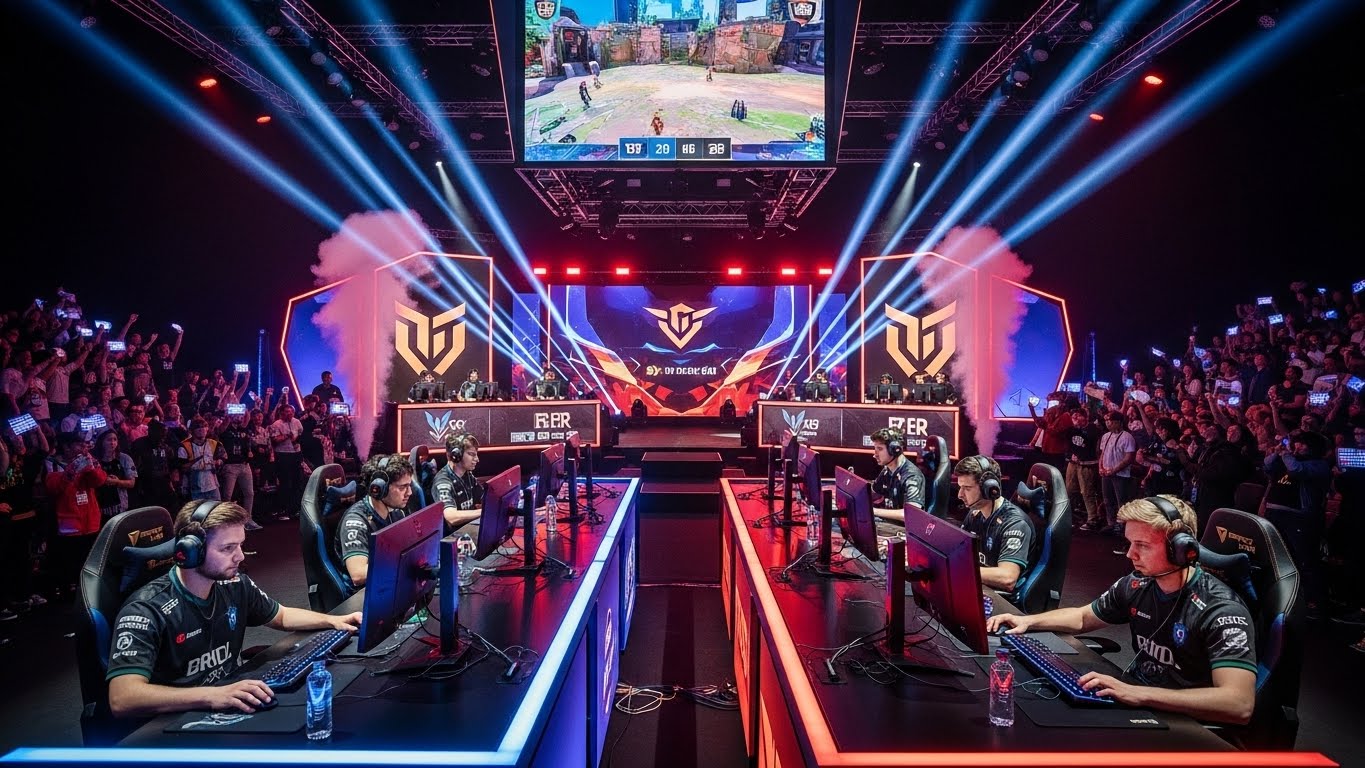
Esports, or competitive video gaming, has evolved from a niche pastime into a global phenomenon that captivates millions of players and fans around the world. What was once considered casual entertainment is now a professional sport, complete with leagues, tournaments, sponsorships, and fan bases that rival traditional sports. Esports is more than just playing games—it is a convergence of skill, strategy, teamwork, and technology. In this blog, we will explore the rise of esports, its impact on society, its economic significance, and why it is reshaping the landscape of modern competition.
The Origins of Esports
The roots of esports date back to the 1970s and 1980s, when arcade games such as Space Invaders, Pac-Man, and Donkey Kong created the first competitive gaming environments. Players would gather in arcades to compete for high scores, fostering a community around skill and achievement.
In the 1990s, multiplayer games like Quake, StarCraft, and Warcraft introduced online competition, allowing players to face opponents across cities, countries, and eventually continents. Early tournaments, such as the Cyberathlete Professional League and the World Cyber Games, established a formal competitive structure and gave rise to the concept of professional gaming. These foundational years set the stage for esports to evolve into the global industry it is today.
Defining Esports as a Modern Sport
Esports shares many characteristics with traditional sports, despite being digital. Players require hand-eye coordination, quick reflexes, strategic thinking, and mental endurance. Professional gamers often train for hours each day, focusing on skill refinement, team coordination, and mental preparation.
Esports games span multiple genres, including first-person shooters, real-time strategy games, fighting games, and multiplayer online battle arenas. Titles like League of Legends, Dota 2, Counter-Strike, and Fortnite have created professional leagues, international tournaments, and thriving fan communities. While esports may not involve physical exertion like football or basketball, the dedication, intensity, and pressure are very real, highlighting the athleticism of the mind and reflexes.
The Explosion of the Esports Industry
Esports has transformed into a billion-dollar industry with significant global reach. Major tournaments now fill arenas, attract millions of online viewers, and offer multi-million-dollar prize pools. Revenue streams include sponsorships, media rights, merchandising, ticket sales, and in-game purchases.
Streaming platforms have played a crucial role in esports’ growth, providing fans with live access to matches, commentary, and player interactions. Unlike traditional sports, esports transcends borders, enabling players from different countries to compete without physical limitations. This accessibility has contributed to the rapid expansion of esports worldwide, turning it into a mainstream form of entertainment.
Cognitive and Mental Benefits
Esports is not just about entertainment—it also develops cognitive and mental skills. Competitive gaming sharpens problem-solving, strategic planning, and decision-making abilities. Players must adapt to fast-changing scenarios, anticipate opponents’ moves, and implement complex strategies under time pressure.
Esports also enhances focus, multitasking, and reaction time. Many games require split-second precision and careful coordination, strengthening hand-eye coordination and mental agility. The competitive nature of esports fosters resilience, teaching players to handle setbacks, manage stress, and continually improve, all of which are transferable to real-world situations.
Teamwork and Collaboration in Esports
Teamwork is central to many esports titles. Games like Overwatch, League of Legends, and Counter-Strike demand communication, coordination, and mutual trust. Players must understand each other’s roles, strengths, and weaknesses to achieve victory.
Esports teams often include coaches, analysts, and support staff, mirroring professional sports organizations. Collaboration in esports teaches leadership, communication, and problem-solving skills, demonstrating that competitive gaming can be a platform for personal growth as well as professional achievement.
Cultural Impact of Esports
Esports has become a cultural phenomenon that influences entertainment, fashion, and social media. Professional players enjoy celebrity status, and tournaments are celebrated as major events, complete with live audiences, commentary, and fan engagement.
The rise of esports has encouraged creative expression through cosplay, fan art, and video content. International tournaments foster cross-cultural connections, uniting players and fans from diverse backgrounds. Esports is not only changing the way people compete but also how communities interact, express themselves, and connect globally.
Esports in Education
Educational institutions are increasingly integrating esports into their programs. Schools and colleges now offer esports clubs, scholarships, and professional development opportunities.
Participation in esports fosters critical skills such as strategic thinking, time management, teamwork, and leadership. Unlike traditional sports, esports is accessible to students who may not be physically inclined, making it an inclusive platform for competition and personal development. University esports teams provide students with pathways to professional careers in gaming, broadcasting, or game design.
Health Considerations in Esports
While esports has many benefits, it also presents health challenges. Long hours of gaming can lead to eye strain, repetitive strain injuries, poor posture, and disrupted sleep patterns. To counter these issues, professional players incorporate physical exercise, ergonomic setups, and proper nutrition into their routines.
Mental health is equally important. The pressures of competition can cause stress, anxiety, and burnout. Many esports organizations now provide counseling and psychological support, recognizing that peak performance requires both mental and physical well-being.
Technology’s Role in Esports
Technology is at the heart of esports. High-performance gaming equipment, advanced computers, and fast internet connectivity are essential for competitive play. Streaming technology enables live broadcasts of tournaments to global audiences, while data analytics and artificial intelligence help players improve performance and devise strategies.
Emerging technologies such as virtual reality, augmented reality, and cloud gaming are expanding the possibilities of esports. These innovations create immersive experiences for both players and audiences, while also making competitive gaming more accessible and engaging.
Economic Significance of Esports
Esports has become a major economic driver. Revenue streams include prize money, sponsorships, merchandising, media rights, and in-game transactions. Large tournaments attract spectators who contribute to local economies through tourism, event spending, and job creation.
The industry also offers diverse career opportunities beyond professional play, including coaching, content creation, event management, marketing, and game development. With continuous growth, esports is establishing itself as a sustainable career path for professionals worldwide.
Challenges in the Esports Industry
Despite its rapid growth, esports faces several challenges. The absence of standardized rules and governance can lead to disputes, cheating, and unfair practices. Player burnout, mental health issues, and physical strain remain concerns.
Social perception is another challenge. In some regions, gaming is still seen as a recreational activity rather than a legitimate profession. Addressing these challenges requires collaboration among organizations, players, and communities to ensure fair competition, inclusivity, and long-term sustainability.
The Future of Esports
The future of esports is promising. Mobile gaming, virtual reality, and cloud-based platforms are expanding access for players worldwide. International tournaments are expected to grow in scale and viewership, further legitimizing esports as a global competitive platform.
Esports is increasingly being integrated into mainstream culture, with schools, media outlets, and corporations recognizing its value. As technology advances and global participation grows, esports will continue to inspire, connect, and challenge players and audiences alike. Its influence on entertainment, education, and culture is likely to expand in the coming decades.
Conclusion: Esports as a Defining Phenomenon
Esports represents a new frontier in competitive gaming, blending technology, strategy, skill, and perseverance. It challenges traditional concepts of sport while offering cognitive, social, and economic benefits.
From teamwork and leadership to cultural influence and professional opportunities, esports provides a dynamic platform for personal and collective growth. It demonstrates that excellence, dedication, and resilience are not confined to physical arenas—they thrive in digital arenas as well.
As esports continues to grow and innovate, it is clear that this phenomenon is here to stay. Competitive gaming is no longer just a pastime; it is a global movement, a professional arena, and a cultural force shaping the future of entertainment and human competition.