





Introduction: The Rise of Esports and its Global Impact
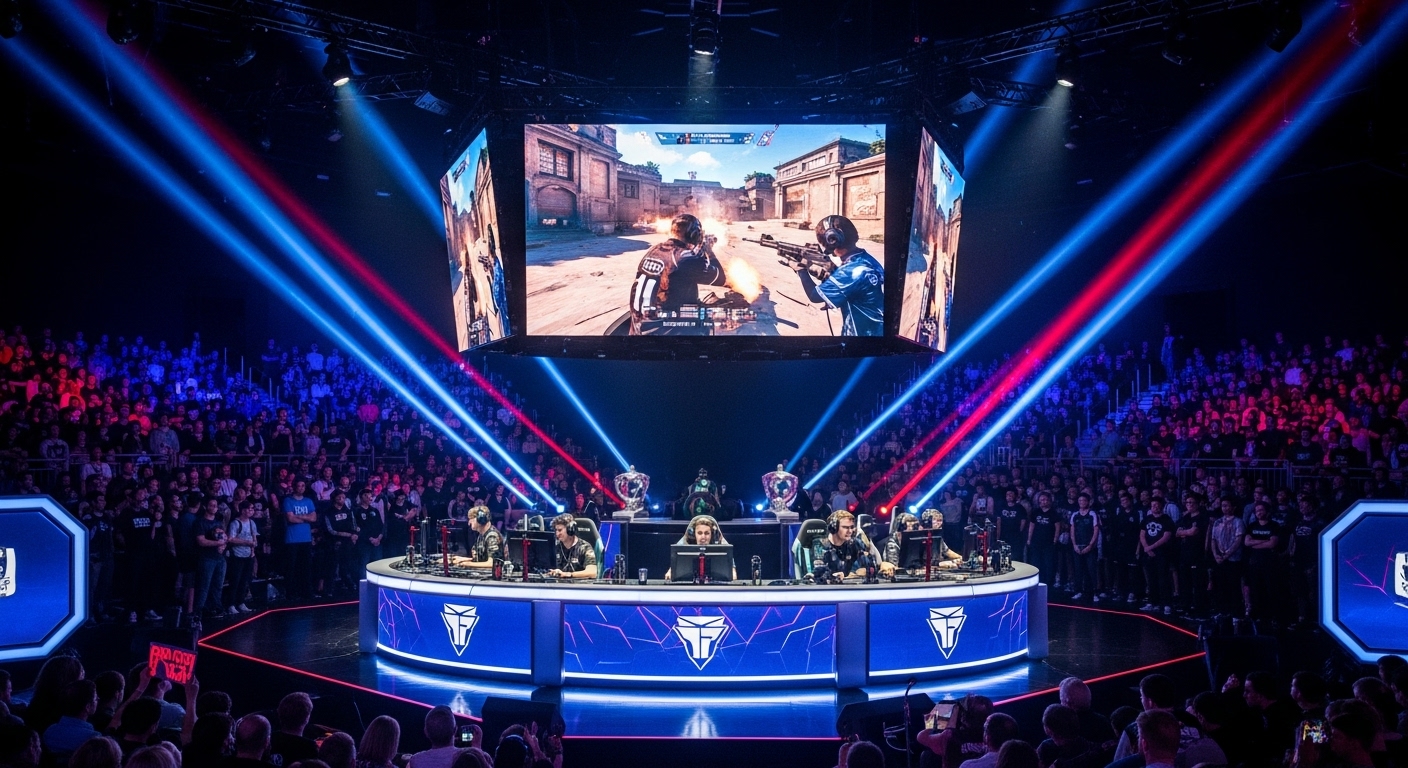
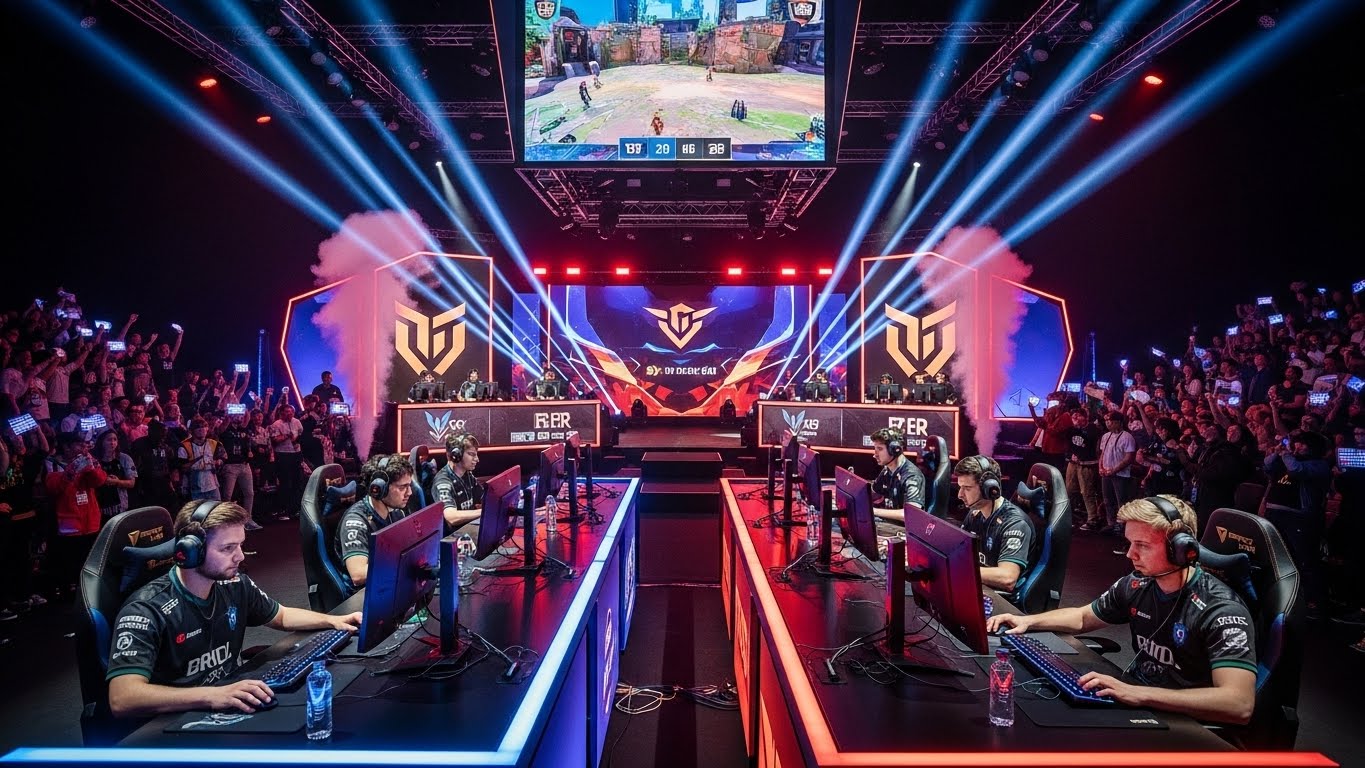
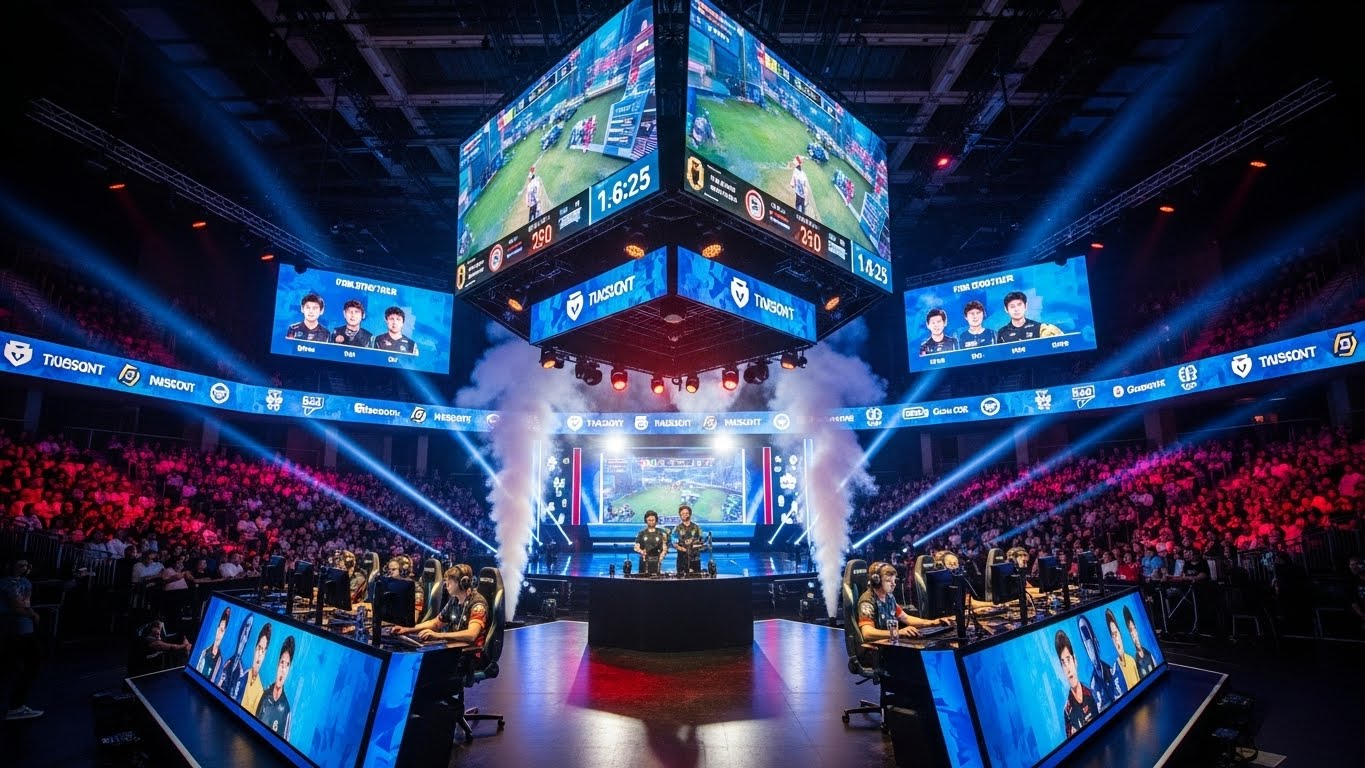
Over the past two decades, esports has evolved from a niche subculture to a global phenomenon that captivates millions of fans worldwide. Competitive gaming has become an industry worth billions of dollars, attracting professional players, investors, and even major sponsors. Once seen as an activity reserved for a small group of enthusiasts, esports now enjoys the same level of excitement, competitiveness, and prestige as traditional sports. This transformation has not only changed the way we perceive gaming but has also introduced new career paths, business opportunities, and a sense of global community. With major tournaments, sponsorships, live-streaming platforms, and dedicated fan bases, esports is proving to be a force to be reckoned with in the world of entertainment.
The Evolution of Esports: From Hobby to Profession
Esports didn’t develop overnight. It started as a grassroots movement, with small local competitions and LAN (Local Area Network) parties in the 1990s. Early video games like Quake, StarCraft, and Counter-Strike formed the foundation of competitive gaming. While these games initially had modest followings, they laid the groundwork for what would eventually become a multi-billion-dollar industry. The breakthrough moment came in the early 2000s when the rise of high-speed internet allowed for large-scale online multiplayer games. This period marked the beginning of organized esports leagues and tournaments. Esports received its first major breakthrough with games like StarCraft in South Korea, where professional leagues were formed, and competitive gaming was broadcast on television. The concept of esports as a professional endeavor was cemented in countries like South Korea, where gamers became celebrities and tournaments were followed by millions. As gaming technology advanced and titles like League of Legends, Dota 2, Overwatch, and Fortnite emerged, esports expanded to global audiences, pushing the boundaries of competition and entertainment. Today, esports has millions of viewers worldwide and is an established fixture on television, streaming platforms, and social media.
The Growth of Esports Tournaments and Prize Pools
One of the most significant drivers behind the rise of esports has been the growth of competitive tournaments and their enormous prize pools. These events are not only a platform for professional gamers to showcase their skills, but they have also become major spectacles, attracting millions of viewers both in person and online. Take, for example, The International, the annual Dota 2 tournament. In 2021, the prize pool for The International exceeded $40 million, making it one of the richest tournaments in the world. Similarly, the League of Legends World Championship regularly draws tens of millions of viewers and offers prize pools in the millions. The scale of these events rivals that of traditional sports tournaments, like the Super Bowl or the FIFA World Cup. The prize money, combined with sponsorship deals and media rights, has attracted massive investments from major corporations, further validating esports as a serious industry. Large-scale tournaments such as ESL One, DreamHack, and the Call of Duty League have become mainstays of the esports calendar, drawing both seasoned professionals and up-and-coming talent. The increasing prize pools and sponsorship deals signal that esports is far more than just a passing trend. It is becoming a major competitive industry with global appeal.
The Esports Audience: A Diverse and Growing Fanbase
The appeal of esports goes far beyond the players themselves—it has created a massive and engaged fanbase. The esports audience is incredibly diverse, cutting across age, gender, and nationality. Platforms like Twitch, YouTube Gaming, and Facebook Gaming have become central hubs where fans can watch live streams of professional tournaments, interact with players, and engage with the community. According to reports, the global esports audience was estimated to reach 474 million people in 2021, with projections to exceed 577 million by 2024. This massive audience base is drawn to the high-level gameplay, the personalities of the players, and the excitement of the tournaments. For many fans, watching esports is more than just a form of entertainment—it’s a way of connecting with like-minded people. Fans can support their favorite teams, cheer for their favorite players, and even participate in fantasy leagues. The social aspect of esports is one of its most appealing features. Social media platforms like Twitter, Instagram, and Discord allow fans to interact directly with players, streamers, and organizations, creating a sense of community that traditional sports often lack.
The Role of Streaming Platforms in Esports Growth
The rise of streaming platforms has been a game-changer for the esports industry. Platforms like Twitch have revolutionized the way esports is consumed, allowing viewers to watch live gameplay from the comfort of their own homes. With the growth of these platforms, esports has moved beyond traditional broadcast channels and into the digital realm. Twitch, which was launched in 2011, has become the go-to platform for live esports content. Gamers and fans alike can tune in to watch everything from casual streams to high-stakes tournaments. The live interaction between streamers and their audiences is a significant part of the appeal. Viewers can chat in real-time, donate money to their favorite players, and even ask questions. Esports events are often broadcast on these platforms with a high level of engagement, including live commentary, analysis, and post-match interviews. The popularity of platforms like YouTube Gaming and Facebook Gaming has further contributed to the growth of esports, bringing competitive gaming to a wider audience. These platforms not only offer esports fans a chance to watch their favorite players but also provide content creators and gamers an opportunity to build their own communities.
Esports as a Career: Opportunities Beyond Playing
One of the most exciting aspects of esports is the range of career opportunities it offers. While professional players often garner the most attention, the esports ecosystem is far broader than just gameplay. Teams require coaches, analysts, content creators, event organizers, marketers, broadcasters, and even psychologists to support the athletes. The rise of esports has created new job opportunities across a variety of fields, allowing people with diverse skill sets to find their place in the industry. Many people work behind the scenes to ensure that tournaments run smoothly, teams stay competitive, and fans stay engaged. As the industry grows, the demand for skilled professionals in areas like video production, journalism, and digital marketing continues to rise. Even individuals with no interest in playing professionally can find fulfilling careers in esports. The advent of streaming and content creation has also opened up a new avenue for gamers to build personal brands. Professional streamers can make money through sponsorships, fan donations, and advertising revenue. In fact, some of the most popular esports personalities, like Ninja and Shroud, have made millions of dollars by live-streaming their gameplay and building large followings. This has democratized the opportunity to make a career in gaming, offering multiple pathways to success in the esports ecosystem.
The Global Nature of Esports: Connecting the World Through Gaming
Unlike traditional sports, where competitions are often confined to specific regions or countries, esports is inherently global. Competitive gaming knows no borders. Players from every corner of the world can compete against one another, and tournaments are often broadcast in multiple languages to accommodate diverse audiences. Esports has fostered a truly global community, where fans and players from different cultures, backgrounds, and languages come together to celebrate their love of gaming. Major tournaments often feature international teams, and the most popular games, like League of Legends, Dota 2, and Valorant, have become a common language for gamers everywhere. The World Esports Association (WESA) and other organizations work to further establish esports as a legitimate global sport, helping to standardize rules, promote fair play, and ensure that players from all over the world have equal opportunities.
The Future of Esports: Trends to Watch
As esports continues to grow, several key trends are shaping its future. One of the most exciting developments is the rise of mobile esports. With the increasing popularity of mobile games like PUBG Mobile and Free Fire, esports is no longer limited to PC or console gamers. Mobile esports tournaments are rapidly gaining traction in regions like Southeast Asia, where mobile gaming is dominant. Another trend to watch is the integration of augmented reality (AR) and virtual reality (VR) into esports. These technologies promise to enhance the gaming experience by creating more immersive environments and interactive competitions. The increasing presence of esports in traditional media, such as television and even the Olympics, further indicates the industry’s potential. The collaboration between traditional sports organizations and esports companies is also something to keep an eye on. Brands are investing more heavily in esports, recognizing its massive potential for engagement with younger audiences.
Conclusion: Esports is Here to Stay
Esports is no longer a passing trend or a niche hobby—it is a global entertainment powerhouse with a massive, engaged audience. From its humble beginnings as casual online games to becoming a professional industry with multimillion-dollar tournaments, esports has proven that it has the staying power to change the landscape of entertainment. With growing sponsorship deals, an expanding fanbase, and a wide range of career opportunities, esports is carving out its place as a mainstream sport. As technology continues to advance and more people turn to digital forms of entertainment, esports will only continue to grow in influence. The future of competitive gaming is bright, and it’s clear that esports will be a major force in shaping the entertainment industry for years to come.