





Introduction: The Emergence of Esports
In recent years, esports has evolved from a niche hobby into a full-fledged cultural and economic powerhouse. Once relegated to the realm of basement tournaments and local gaming cafés, competitive gaming now draws millions of viewers, attracts multimillion-dollar sponsorships, and creates professional athletes with immense global followings. But what exactly is esports, and why has it captured the attention of so many people around the world?
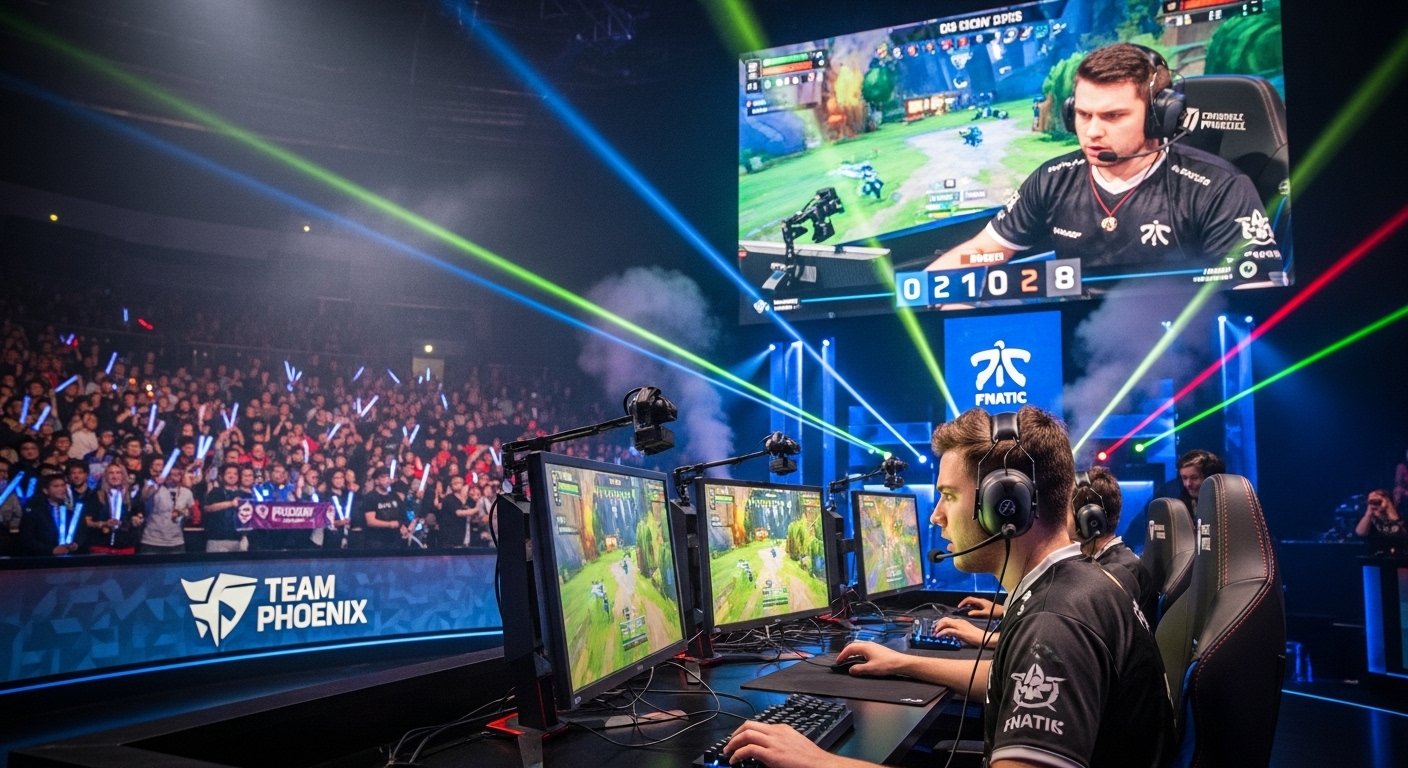
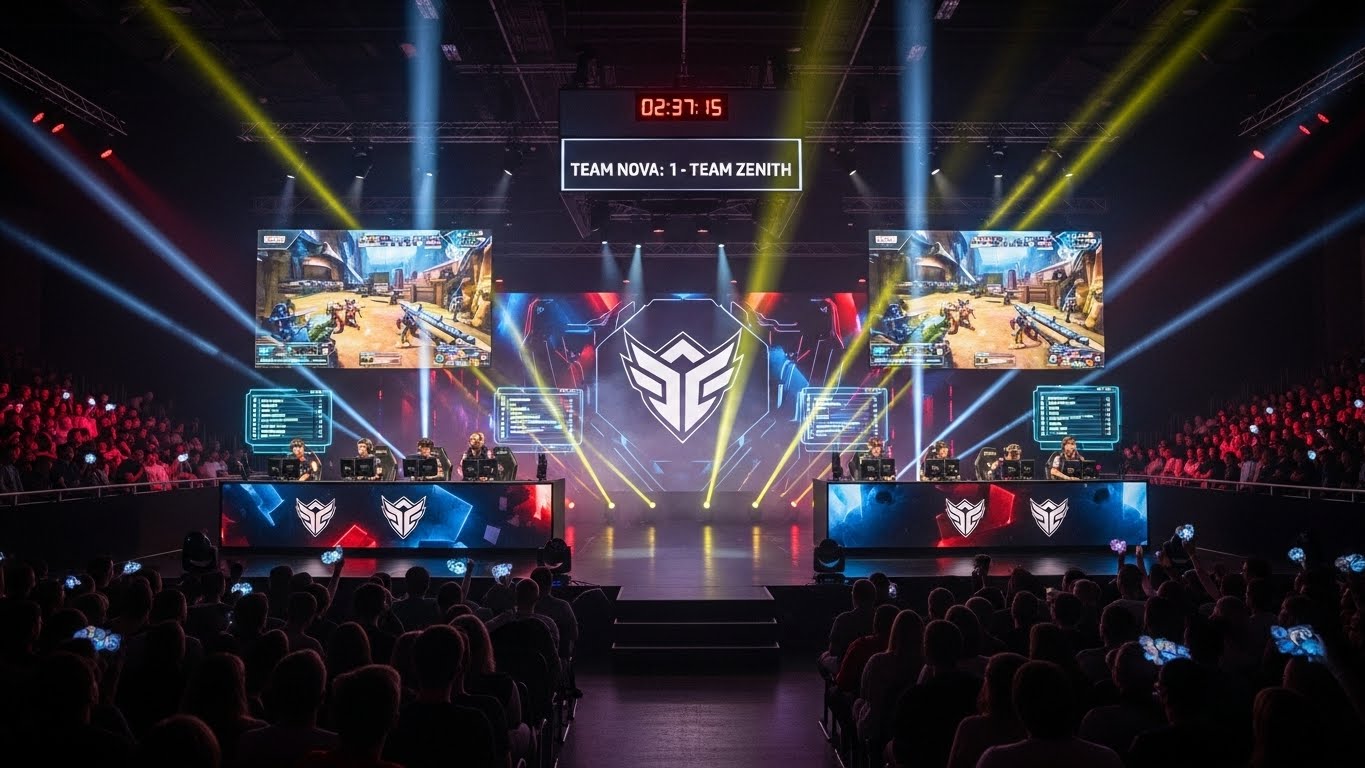
Esports, short for “electronic sports,” refers to competitive video gaming at a professional level. Players compete in various video games for prizes, sponsorships, and the honor of being crowned world champion. The games played in these competitions range from real-time strategy games to first-person shooters and multiplayer online battle arena (MOBA) titles. Whether it’s a high-stakes tournament with a multi-million dollar prize pool or a casual streaming session on platforms like Twitch, esports continues to grow at an astonishing pace, impacting not just the gaming world but the broader entertainment industry as well.
This blog post will explore the evolution of esports, the reasons behind its explosive growth, the diverse gaming genres that dominate the competitive scene, and the impact esports is having on modern culture.
The Evolution of Esports: From Arcade to Arena
The story of esports dates back several decades, starting with humble beginnings in the arcades of the 1980s. Early competitive gaming took place in local tournaments where players gathered to compete for bragging rights and, occasionally, a small prize. As video game technology advanced, so did the scope and scale of these competitions.
In the 1990s, the rise of personal computers and the internet opened up new possibilities for competitive gaming. Online multiplayer games such as Quake and StarCraft allowed players to compete against one another over the internet, leading to the creation of early esports leagues and tournaments. The Cyberathlete Professional League (CPL) and the World Cyber Games (WCG) were two pioneering organizations that helped lay the foundation for the modern esports scene.
The early 2000s saw the emergence of games that would go on to dominate competitive gaming for years to come. Warcraft III, Counter-Strike, and StarCraft: Brood War created dedicated fanbases, establishing esports as a legitimate competitive field. The rise of streaming platforms like Twitch in the late 2000s provided an even bigger boost, allowing players and teams to share their games with global audiences in real-time.
The 2010s marked the golden era of esports, with the launch of world-class tournaments such as The International for Dota 2, League of Legends World Championship, and the Overwatch League. These events attracted millions of viewers and offered prize pools reaching tens of millions of dollars, signifying that esports was now an industry capable of competing with traditional sports in terms of viewership and revenue.
Key Esports Genres: A Diverse Array of Competition
Esports spans a wide range of gaming genres, each offering a unique competitive experience. While there are many games that fall under the umbrella of esports, several genres have emerged as the most popular in the competitive scene.
Multiplayer Online Battle Arenas (MOBA)
MOBA games like League of Legends and Dota 2 have become the pillars of esports. These games combine strategic gameplay with fast-paced action, and they often feature team-based objectives where coordination and communication between players are key. In League of Legends, for instance, two teams of five players each battle to destroy the opposing team’s “Nexus,” all while managing resources, leveling up characters, and outsmarting opponents. These games require sharp decision-making skills, excellent teamwork, and high levels of coordination, which makes them ideal for competitive play.
First-Person Shooters (FPS)
First-person shooters, including Counter-Strike, Valorant, and Call of Duty, have a long-standing tradition in competitive gaming. These games focus on precision shooting, reflexes, and team tactics. Players often compete in “search and destroy” style gameplay, where the objective is to plant or defuse bombs or eliminate the opposing team. The popularity of FPS games in esports is attributed to their accessibility and high skill ceiling, with viewers drawn to the intense action and fast-paced gameplay.
Battle Royale Games
The battle royale genre, pioneered by PlayerUnknown’s Battlegrounds (PUBG) and later popularized by Fortnite, has become one of the most exciting and fast-growing areas of competitive gaming. These games feature a last-player-standing format, where 100 players compete on a shrinking map until only one remains. The unpredictability of battle royale games, combined with their massive player counts and dynamic environments, offers a unique viewing experience. Tournaments like the Fortnite World Cup have drawn millions of viewers and have showcased the genre’s explosive rise in the esports world.
Fighting Games
Fighting games like Street Fighter, Tekken, and Super Smash Bros. have been around for decades but have found renewed popularity in competitive esports. These games feature one-on-one combat where players must use a combination of technique, timing, and strategy to outplay their opponent. Fighting game tournaments are often community-driven, with long-standing rivalries, well-established traditions, and a strong sense of camaraderie among players.
The Business of Esports: How It Became a Multi-Billion-Dollar Industry
Esports has become an economic juggernaut, generating billions of dollars annually through a combination of advertising, sponsorships, media rights, and ticket sales. As competitive gaming has grown in popularity, so too has its potential for revenue generation.
One of the largest revenue streams in esports is sponsorship. Brands from a wide variety of industries, including tech, energy drinks, apparel, and even automotive, are eager to partner with esports organizations and tournaments. For example, major brands like Coca-Cola, Intel, and Mercedes-Benz have signed sponsorship deals with esports teams and events, seeing the potential in reaching young, tech-savvy consumers.
Another major source of income comes from streaming platforms. Platforms like Twitch and YouTube Gaming have revolutionized how fans interact with esports, offering live streams, exclusive content, and direct interactions between players and fans. These platforms monetize their viewership through ads, subscriptions, and donations, providing a steady stream of revenue for both content creators and tournament organizers.
Ticket sales and merchandise also contribute significantly to the financial success of esports. Major tournaments, such as The International and League of Legends World Championship, sell tickets to live events, drawing thousands of spectators who want to witness the action in person. Merchandise sales, ranging from team jerseys to branded gaming peripherals, provide another avenue for fans to show their support and contribute to the industry’s growth.
The Global Esports Community: A Cultural Phenomenon
Esports is not just about the games themselves; it’s also about the communities that support them. The esports community is diverse, global, and inclusive, with fans and players from all corners of the world uniting over their shared love for competitive gaming.
Streaming platforms like Twitch and YouTube Gaming allow fans to connect with their favorite players, watch live matches, and engage in real-time discussions. The sense of community that exists in the world of esports is one of its most defining characteristics. Fans from different countries, backgrounds, and cultures can come together online to discuss strategies, celebrate victories, and bond over their love of gaming.
Esports has also played a key role in breaking down stereotypes about gaming. While gaming was once seen as a solitary, nerdy pastime, it is now recognized as a legitimate, team-oriented sport that requires skill, practice, and discipline. This shift in perception has helped to make esports more mainstream, with even traditional sports organizations and media outlets embracing the phenomenon.
The Future of Esports: What’s Next?
The future of esports is incredibly bright, with several exciting developments on the horizon. As technology continues to improve, we can expect even more immersive experiences for players and viewers alike. Virtual reality (VR) and augmented reality (AR) may change how games are played and how fans experience events.
Esports is also on track to become a fixture in traditional sports culture. Many universities and colleges now offer scholarships for esports players, while major sports leagues like the NFL, NBA, and FIFA have started to integrate esports into their operations, hosting tournaments or creating official esports divisions.
The global appeal of esports also suggests that its influence will continue to grow in the coming years. We may even see esports included in the Olympic Games, as its international presence and cultural significance continue to rise.
Conclusion: Esports is Here to Stay
Esports is no longer a passing trend; it is a cultural revolution that is reshaping the world of entertainment. With its explosive growth, expanding audience, and massive financial potential, esports is poised to become a permanent fixture in the global entertainment landscape. Whether you’re a casual gamer, a dedicated fan, or someone just discovering esports, there has never been a better time to be a part of this exciting and dynamic world. The digital arena is alive with opportunity, and the future of competitive gaming looks brighter than ever.