





Introduction: The Emergence of Esports
In the past two decades, the world of competitive gaming has transformed dramatically. Esports, once considered a niche hobby for a small group of enthusiasts, has grown into a global industry with professional players, millions of fans, and enormous economic impact. The term “esports” refers to organized, competitive video gaming, where individuals or teams compete in tournaments, leagues, and online platforms for prizes, recognition, and entertainment. What makes esports unique is its combination of skill, strategy, teamwork, and entertainment, creating a dynamic arena where technology and talent intersect.
The Origins of Competitive Gaming
The roots of esports trace back to the 1970s and 1980s, when arcade games such as Space Invaders and Pac-Man encouraged competitive high-score challenges. In the 1990s, the rise of personal computers and local networks enabled multiplayer gaming, giving birth to titles like Doom, Quake, and StarCraft. These early games required not only reflexes but also strategic thinking, teamwork, and precision. By the early 2000s, esports had begun to professionalize, particularly in South Korea, where televised competitions and online gaming leagues created a model for the modern esports industry. From humble beginnings in basements and arcades, esports evolved into a global spectacle watched by millions.
Popular Esports Titles and Genres
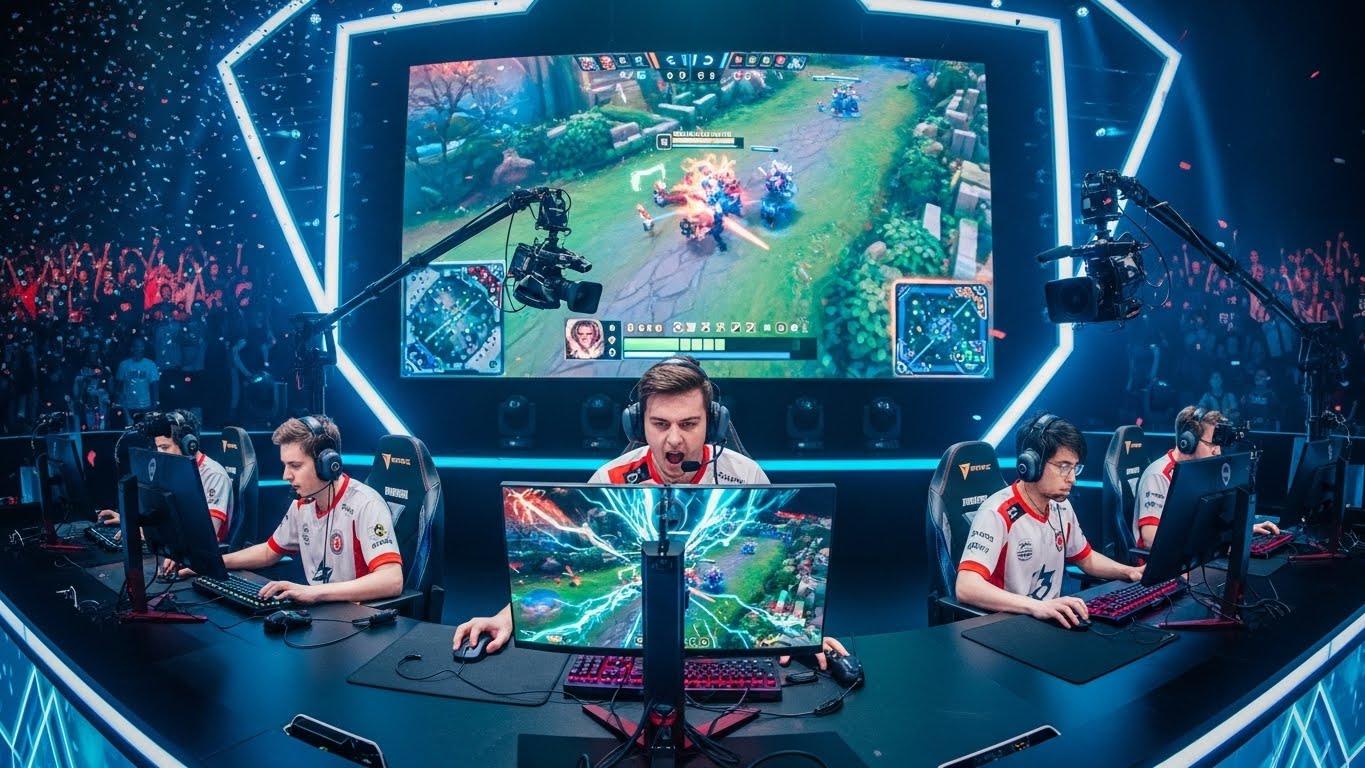
Esports spans a variety of genres, each attracting distinct audiences and requiring specialized skills. Multiplayer online battle arena games demand coordination, tactical planning, and real-time decision-making. First-person shooters test reflexes, aim, and communication under pressure. Battle royale games emphasize survival, adaptability, and strategic positioning. Sports simulation games replicate real-world athletic competition, requiring precision, timing, and strategic thinking. Collectively, these genres provide diverse entertainment experiences while challenging players to hone their skills and compete at the highest levels.
The Life of a Professional Gamer
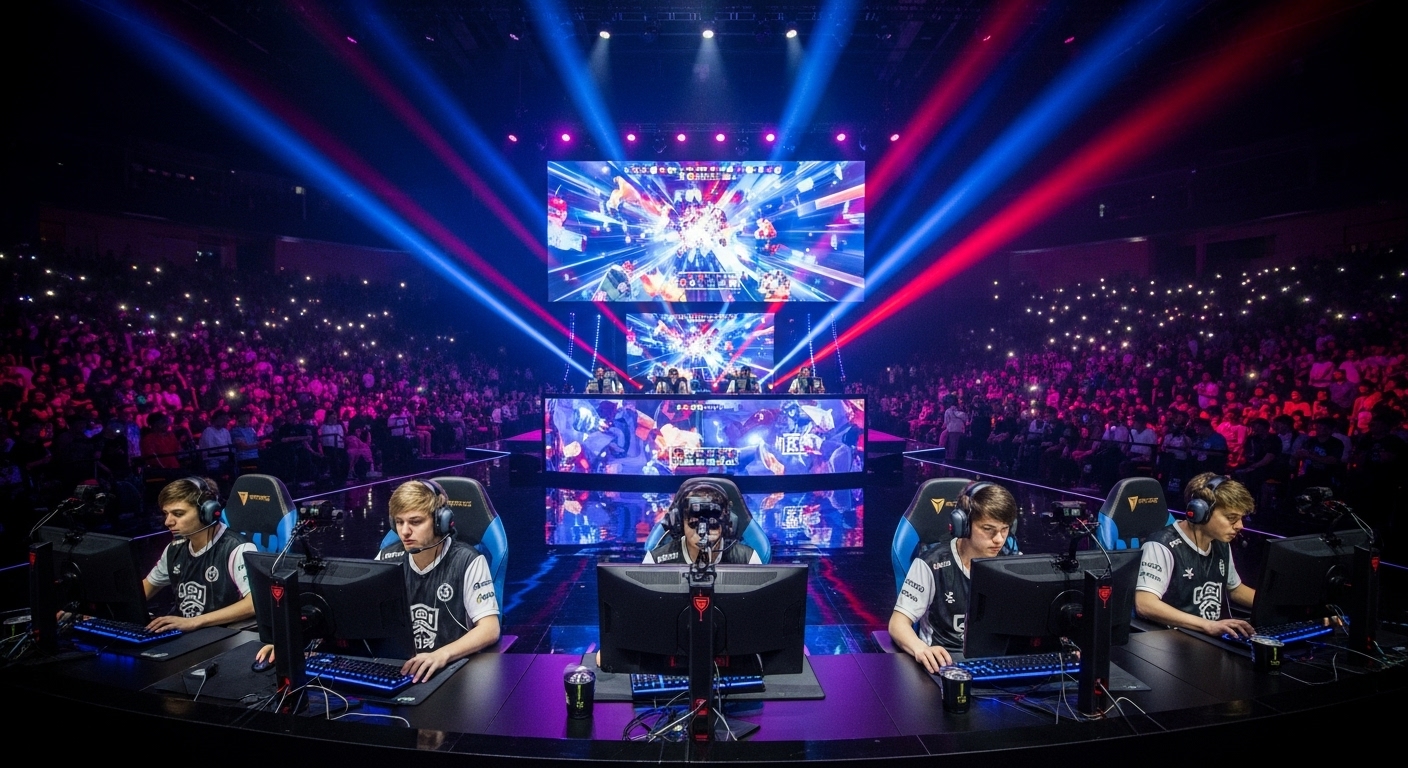
Professional esports players maintain rigorous schedules that rival those of traditional athletes. Daily routines often include hours of practice, reviewing past matches, analyzing opponents, and mastering new strategies. Physical fitness is also important, as endurance, reflexes, and hand-eye coordination directly affect performance. Many teams employ coaches, analysts, nutritionists, and mental health professionals to ensure players maintain peak performance. Mental resilience is crucial, as pressure from fans, sponsors, and competitions can be intense. The dedication and discipline required to succeed in esports reflect a level of professionalism and commitment comparable to traditional sports.
The Esports Industry: Beyond the Game
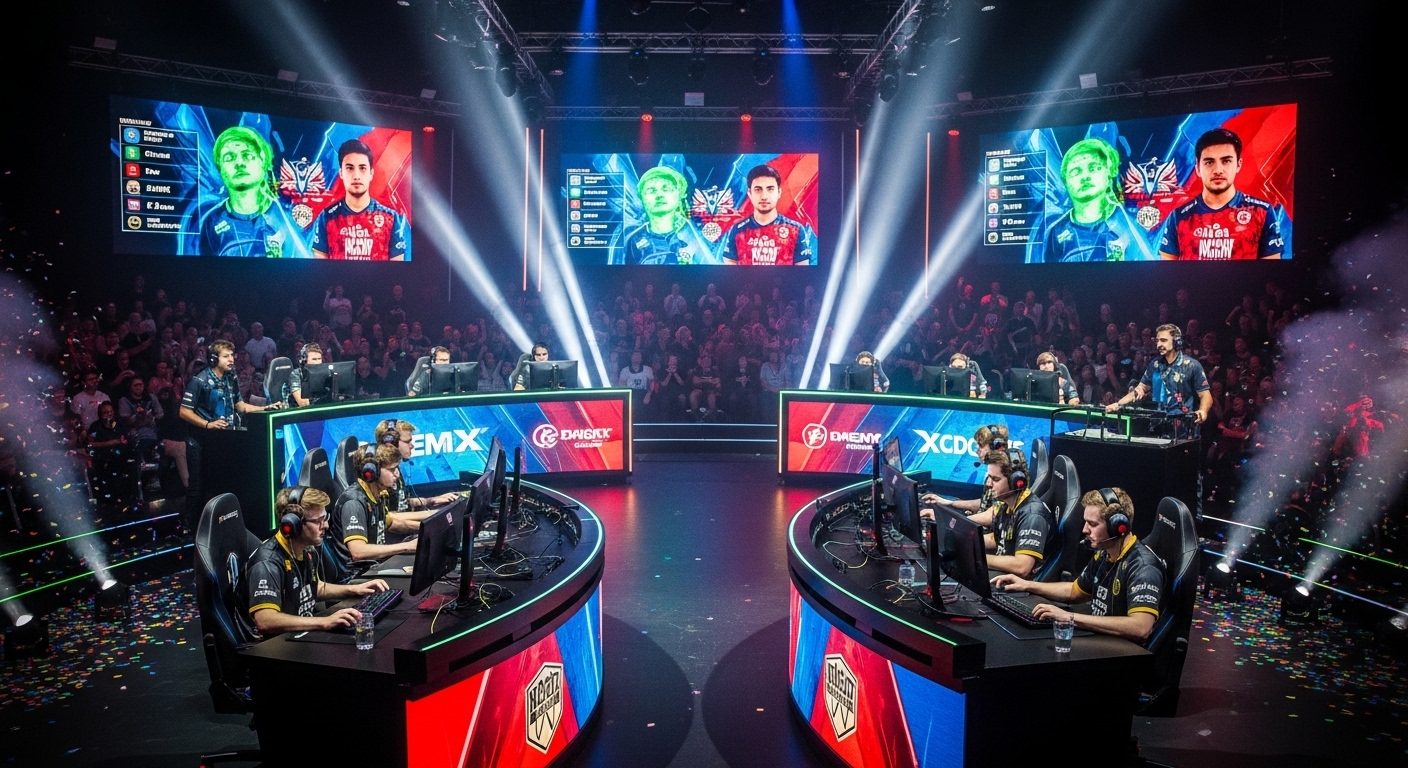
Esports is more than just competitive gaming; it is a thriving industry encompassing event management, broadcasting, marketing, and content creation. Major tournaments draw thousands of spectators in stadiums and millions online, creating a lucrative market for sponsors, advertisers, and merchandising. Game developers continually release updates and balance changes to maintain competitive fairness and viewer engagement. Streaming platforms provide real-time access to tournaments, while content creators and commentators enhance the viewing experience. Together, these elements form a multi-billion-dollar ecosystem that continues to expand rapidly.
The Role of Fans and Community
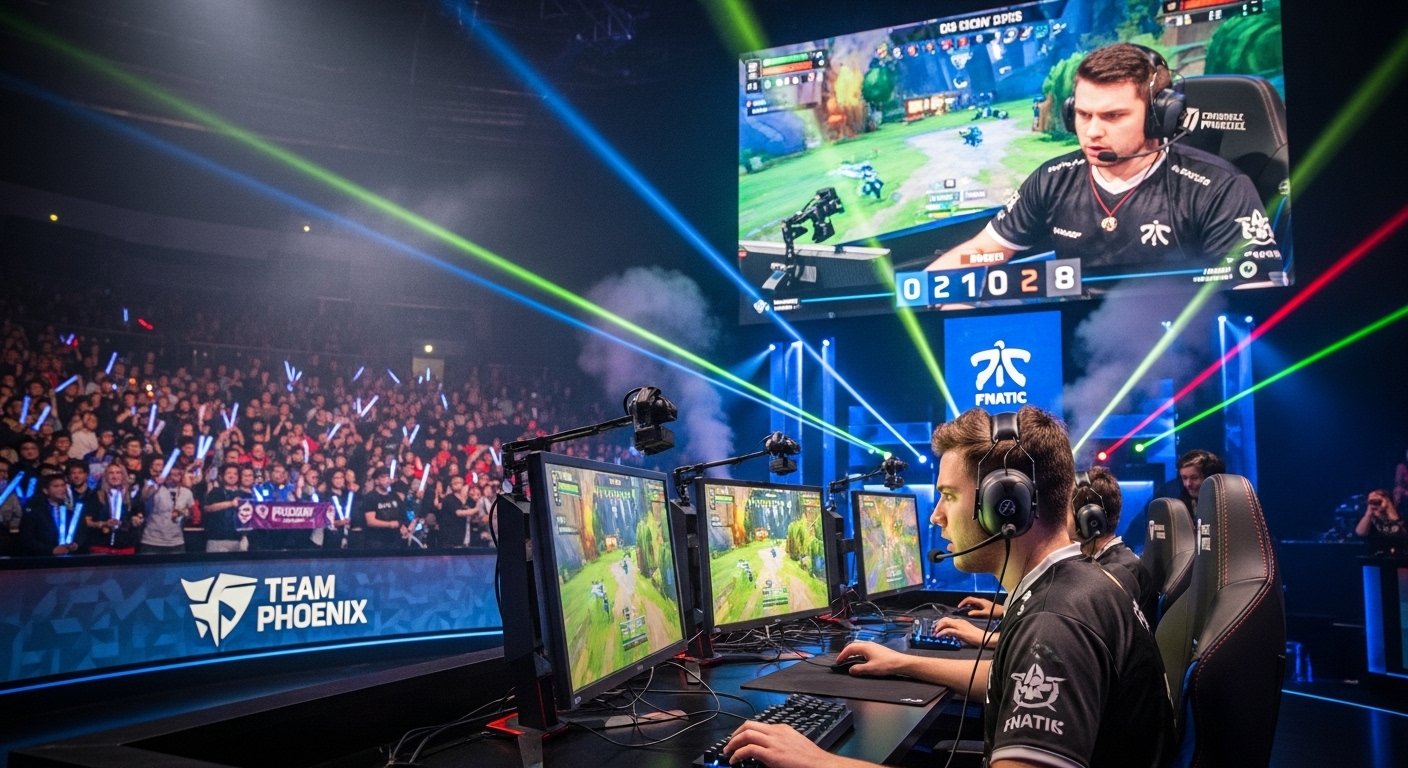
Fans are at the heart of esports’ growth. Unlike traditional sports, esports audiences actively interact with players and teams through chat, forums, and social media. They analyze strategies, create fan content, and participate in online competitions. Community engagement is particularly strong in streaming environments, where audiences can connect directly with players during live matches. This level of interaction fosters a sense of belonging and loyalty, transforming spectators into active participants. The esports community is diverse, global, and inclusive, reflecting the digital nature of the medium and its ability to bring people together across borders.
Economic Impact of Esports
The financial growth of esports has been remarkable. Tournament prize pools often reach millions of dollars, attracting international talent and attention. Sponsorship deals from global brands provide additional revenue streams for players and teams, covering everything from salaries to marketing campaigns. Streaming platforms contribute significantly through advertisements, subscriptions, and donations. Universities and educational institutions have recognized esports as a legitimate field, offering scholarships and programs for players and professionals alike. The economic ecosystem of esports includes jobs in coaching, analysis, event management, broadcasting, and content creation, highlighting its multifaceted impact.
Challenges Facing the Industry
Despite its rapid growth, esports faces several challenges. Player health and well-being remain a concern, as burnout and repetitive strain injuries are common due to long hours of practice. Maintaining fair competition is also critical, as cheating and exploitation of game mechanics can damage credibility. The fast pace of gaming trends requires teams and organizations to adapt quickly or risk becoming irrelevant. Recognition of esports as a legitimate sport continues to vary by region, with some authorities and organizations still questioning its status. Addressing these challenges is essential to ensure long-term sustainability and professionalism in the industry.
Technological Advancements Shaping Esports
Technology is central to the evolution of esports. Streaming platforms and high-speed internet have made global access possible, while advances in graphics and game design enhance the viewer experience. Virtual reality and augmented reality are beginning to create immersive competitive experiences, opening new possibilities for gameplay and spectator engagement. Artificial intelligence assists in analyzing strategies, predicting trends, and providing training tools for players. Cloud gaming allows participants to play and compete without expensive hardware, democratizing access. These innovations promise to expand esports’ reach, influence, and entertainment value in the coming years.
The Global Reach of Esports
Esports transcends geographical boundaries. Players and fans from all continents participate in competitions and discussions, creating a truly global community. International tournaments bring together teams from different cultures, fostering mutual respect, collaboration, and shared excitement. The cultural impact of esports extends beyond gaming, influencing music, fashion, and online culture. Its ability to unite people with a shared passion demonstrates the power of digital entertainment in a connected world. Esports is no longer just a regional activity; it has become a global movement with cultural, economic, and social significance.
The Future of Esports
The future of esports is bright, with continued growth expected in viewership, revenue, and technological innovation. Emerging trends such as virtual reality tournaments, AI-assisted coaching, and interactive streaming platforms will redefine how players compete and how fans experience events. Educational institutions are expanding esports programs, preparing a new generation of professionals in gaming, management, and media. Corporate investment and sponsorships are increasing, signaling confidence in long-term profitability. As esports continues to evolve, it will solidify its role as a central part of modern entertainment and sports culture.
Conclusion: Esports as a Cultural and Competitive Force
Esports represents a unique fusion of technology, skill, entertainment, and community. It has grown from a niche hobby into a global phenomenon that inspires players, engages fans, and drives economic growth. Professional athletes in esports demonstrate discipline, strategy, and resilience on par with traditional sports, while the industry itself provides opportunities for careers across multiple sectors. With technological innovation and global connectivity, esports is poised to remain a defining feature of modern culture. The digital revolution of competitive gaming is not just changing how people play and watch games; it is reshaping entertainment, community, and the very concept of competition in the 21st century.