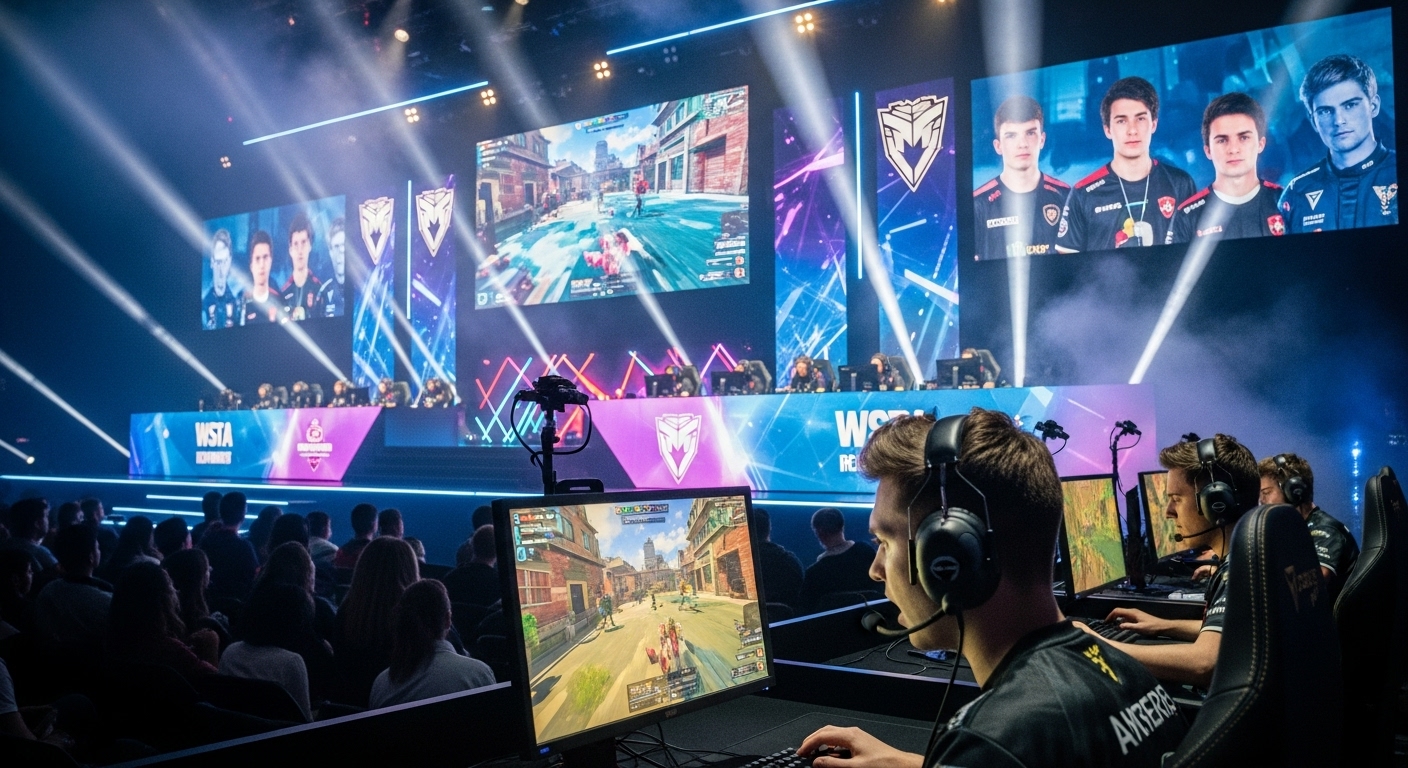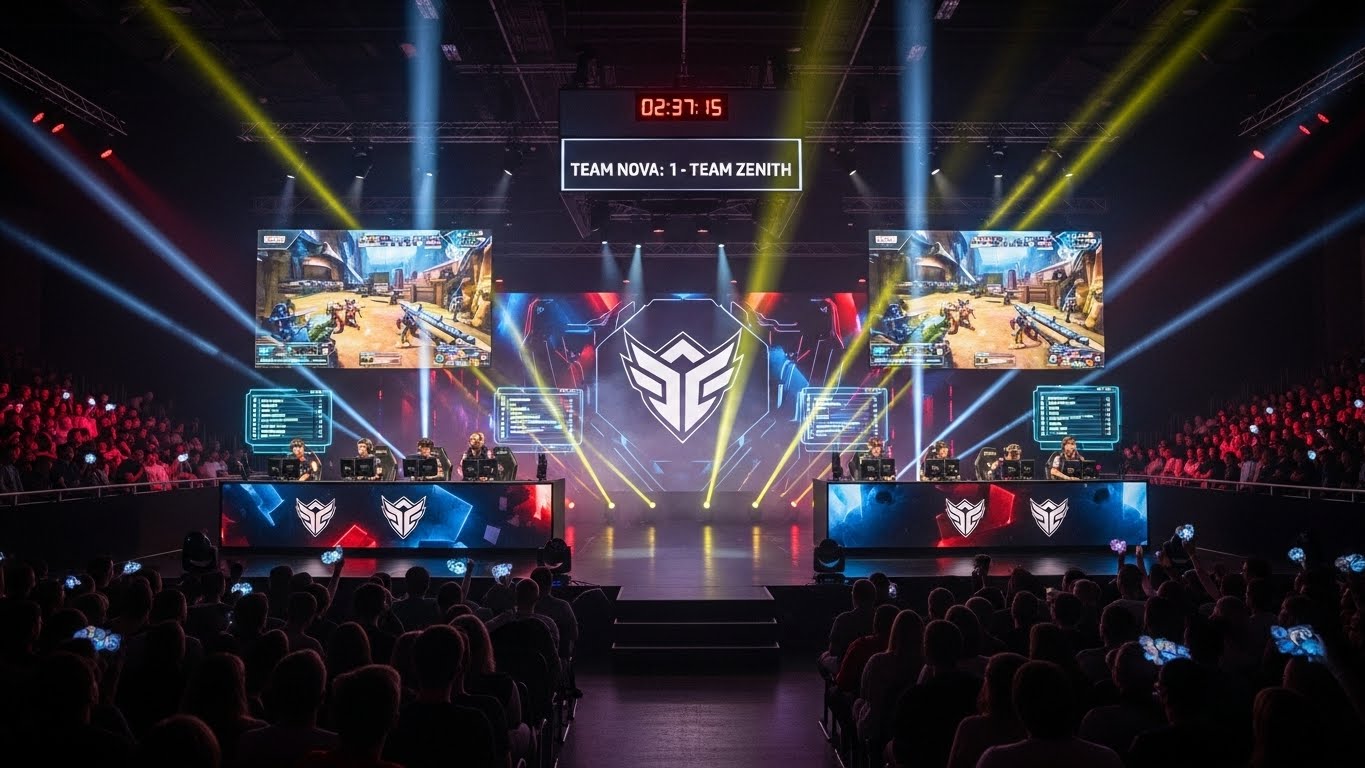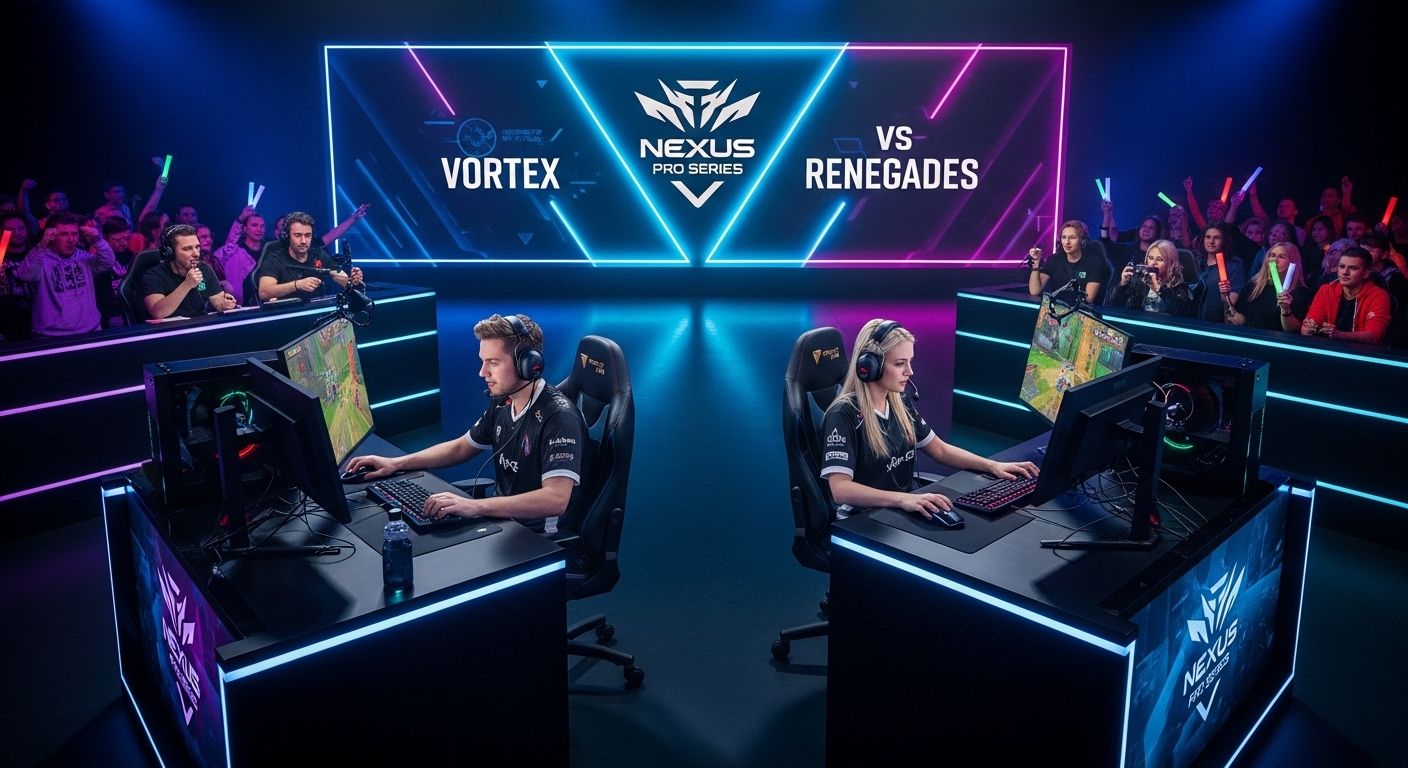






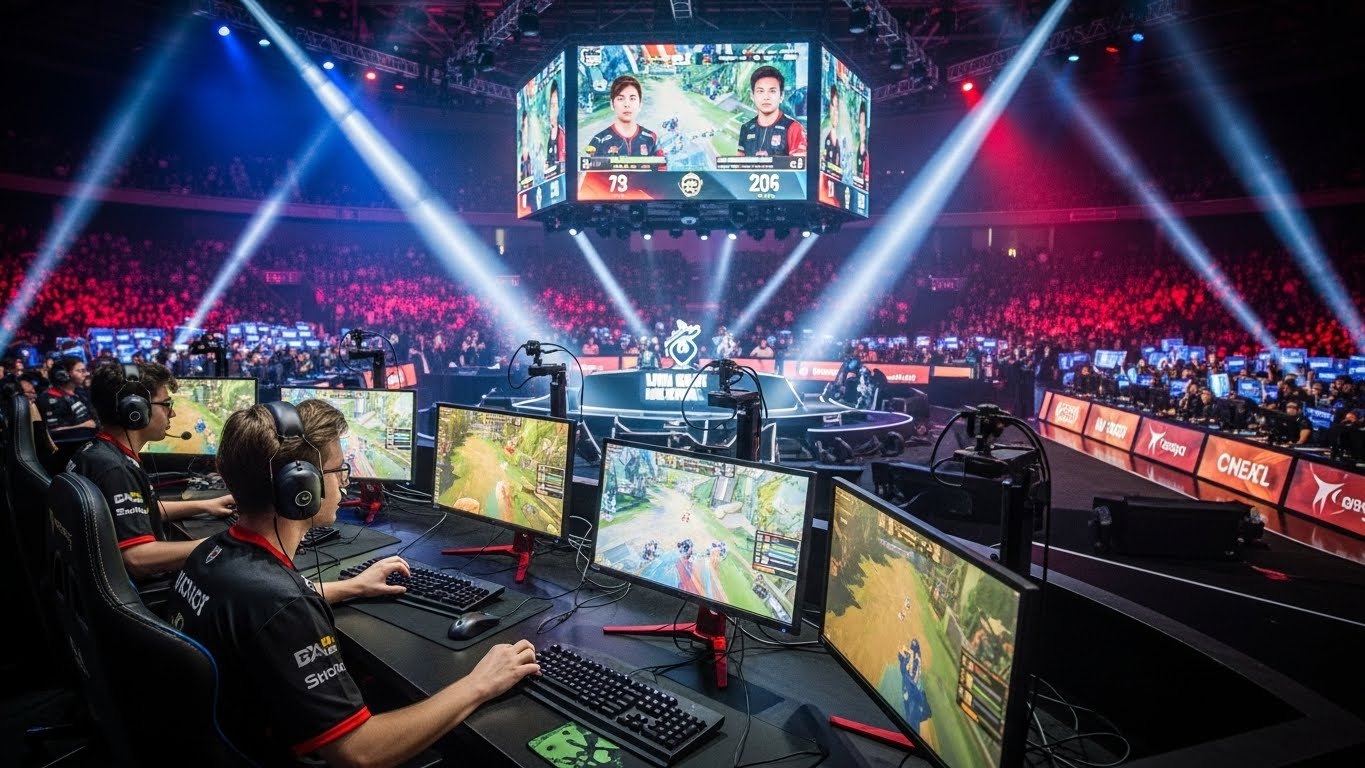
In the last decade, esports, or competitive video gaming, has transformed from a niche interest to a massive global phenomenon. What began as friendly competitions in basements and arcades has now evolved into a professional, billion-dollar industry, attracting millions of fans worldwide. From tournaments with multi-million-dollar prize pools to sponsorship deals with major global brands, esports has firmly planted its roots in the world of sports and entertainment.
In this blog post, we will explore the rise of esports, its impact on traditional sports, and how the world of competitive gaming is shaping the future of entertainment and culture.
The Early Days of Esports: From Arcades to Online Gaming
To understand how esports became a worldwide cultural force, we need to take a step back in time to the early days of competitive gaming. Video games have been a part of popular culture since the 1970s, with games like Pong and Space Invaders capturing the attention of arcade-goers. However, it wasn’t until the late 1980s and early 1990s that organized competitions began to form.
The first true esports tournaments were held in arcades, where players would compete against one another in games like Street Fighter and Pac-Man. These events, while small compared to today’s massive global tournaments, sparked the idea of turning gaming into a competitive, spectator-driven activity. But the real breakthrough came with the advent of online gaming in the late 1990s. With the introduction of games like Quake, StarCraft, and Counter-Strike, gamers could now compete against each other on the internet, leading to the formation of the first professional leagues.
The rise of online platforms, coupled with faster internet speeds and better gaming hardware, paved the way for esports to blossom. By the early 2000s, organizations like the Cyberathlete Professional League and World Cyber Games were hosting large-scale tournaments with real cash prizes. As games like League of Legends and Dota 2 gained popularity, esports began to transition from a niche hobby to a global phenomenon.
The Growth of Esports: A Billion-Dollar Industry
Today, esports is no longer confined to arcades or small online communities. It has evolved into a billion-dollar industry, with revenue streams coming from various sources including sponsorships, media rights, merchandise, and ticket sales. Major tournaments are streamed online on platforms like Twitch, YouTube Gaming, and Facebook Gaming, drawing millions of viewers worldwide.
According to industry reports, the global esports market was valued at over $1.5 billion in 2023, and it’s expected to grow exponentially in the coming years. This growth has been fueled by the rise of streaming platforms, the increasing visibility of esports in mainstream media, and an ever-expanding fanbase. The global audience for esports is diverse, with fans from different age groups, regions, and backgrounds. Games like League of Legends, Fortnite, Call of Duty, and Valorant attract millions of active players, creating an ecosystem where players, teams, and sponsors interact in a mutually beneficial way.
One of the most significant drivers of esports’ growth is the huge amount of money flowing into sponsorship deals. Major companies, such as Coca-Cola, Intel, Nike, and Red Bull, have all entered the esports space, sponsoring teams, events, and even individual players. These sponsorships have helped elevate esports to the level of traditional sports in terms of professionalism and commercial appeal.
Furthermore, media rights deals have allowed esports tournaments to be broadcast to a wider audience. Networks like ESPN have begun airing esports events, recognizing that competitive gaming draws in a younger, tech-savvy audience that traditional sports often struggle to reach. This shift in broadcasting is changing the way we view sports, as esports tournaments fill stadiums and arenas just like the biggest traditional sporting events.
Professional Esports Players: The Rise of a New Breed of Athletes
In the world of esports, the players are the stars. Just like professional athletes in traditional sports, top esports players are becoming celebrities with large followings, sponsorships, and substantial earnings. While esports requires no physical prowess like traditional sports, it demands other unique skills—quick reflexes, strategic thinking, problem-solving, and teamwork. Esports players must practice for hours every day to hone their skills and maintain peak performance.
The journey to becoming a professional esports player is often grueling. Players must dedicate their lives to training, competing in tournaments, and managing the pressures that come with being in the public eye. For many, esports is not just a game—it’s a full-time career. Top players in games like Dota 2, League of Legends, and Fortnite can earn millions in prize money, sponsorships, and streaming revenue. However, the pressure to perform can be intense, and esports players often retire early in their careers due to the mental and physical demands of constant practice and competition.
Despite the high level of competition, professional esports has also created a sense of community. Players, coaches, analysts, and fans all work together to build a thriving esports ecosystem. Fans can interact with players via social media, watch live streams of practice sessions, and even attend esports events to cheer for their favorite teams. In many ways, esports is not just a competition—it’s a shared experience that brings people together.
The Global Appeal of Esports: A Cultural Phenomenon
Esports has become a cultural movement that transcends geographic and cultural boundaries. Unlike traditional sports, which often have a strong regional focus, esports allows people from all over the world to compete and interact in the same digital space. The rise of mobile gaming has also contributed to the global spread of esports, as players from regions like Southeast Asia, Latin America, and Africa are now able to compete in major tournaments.
Esports has not only created a global community of players but also a diverse fanbase. What makes esports unique is its ability to bring together people from different age groups, cultures, and walks of life. Fans of all ages tune in to watch their favorite players and teams compete for glory, and many esports enthusiasts have grown up with gaming as a part of their lives. This widespread engagement has led to esports being recognized as a legitimate form of entertainment, with its own celebrity figures, influencers, and even reality shows.
The cultural impact of esports is also evident in its influence on other industries. Fashion brands are designing esports merchandise, while music festivals are featuring esports competitions as part of their lineup. The world of esports has even made its way into Hollywood, with esports-related movies and documentaries starting to appear. It’s clear that competitive gaming has become much more than just a pastime; it’s now a cultural force that influences everything from entertainment to fashion and beyond.
Esports and Traditional Sports: A Symbiotic Relationship
One of the most fascinating aspects of the rise of esports is its relationship with traditional sports. While some initially viewed esports as a threat to traditional sports, it has become clear that the two can coexist and even complement one another. Several major sports organizations, including the NBA, NFL, and FIFA, have launched their own esports leagues or tournaments. For example, the NBA has the NBA 2K League, a competitive league based on the popular NBA 2K video game. This not only brings esports to a broader audience but also helps sports leagues tap into the gaming culture.
Esports has also become a source of new revenue for traditional sports teams. Many professional sports franchises now own esports teams or are involved in the sponsorship of esports events. The synergy between esports and traditional sports is evident in the crossover of fans. Some fans who may not have traditionally been interested in esports are now tuning in to see their favorite sports team’s esports division compete. This mutual growth has opened up new revenue streams for both industries.
In addition, esports has influenced the development of new technologies that can enhance the fan experience for both traditional sports and gaming. For instance, advancements in virtual reality (VR) and augmented reality (AR) are transforming how fans engage with sports, whether it’s attending virtual games or using AR to experience live events in new and interactive ways.
The Future of Esports: What’s Next?
The future of esports is incredibly promising. With advancements in technology, increased sponsorship investments, and the continued growth of mobile gaming, competitive gaming is likely to keep expanding. The esports audience is expected to grow even larger, especially in emerging markets like Asia and South America. As the infrastructure for esports continues to mature, more cities and regions will host major tournaments, making esports a truly global event.
One of the most exciting prospects for the future of esports is its integration with virtual reality (VR) and augmented reality (AR). As VR and AR technologies improve, they could offer immersive viewing experiences for esports fans, allowing them to feel like they are right in the middle of the action. Additionally, new games and innovative formats will continue to emerge, keeping the competitive gaming scene fresh and exciting.
Esports is also poised to become an even more integral part of the educational landscape. Several universities are already offering scholarships for esports players, and esports-specific courses are being developed to train the next generation of esports professionals. As the esports ecosystem continues to evolve, it will likely open up more career opportunities in areas like game development, broadcasting, marketing, and event management.
Conclusion: Esports as the Future of Entertainment
Esports has come a long way from its humble beginnings in arcades. Today, it is a global entertainment powerhouse that has redefined the way we think about sports and gaming. With its massive audience, growing revenue streams, and cultural impact, esports is firmly established as a key player in the entertainment industry.