





Introduction: The Unstoppable Rise of eSports
Over the past two decades, eSports has undergone a remarkable transformation, evolving from a niche activity into a global powerhouse that draws millions of viewers, massive investments, and growing mainstream attention. Once regarded as a hobby for gamers, competitive video gaming is now a multi-billion-dollar industry with its own stars, dedicated fanbase, and lucrative tournaments. Whether it’s watching professionals compete for million-dollar prize pools, following the daily lives of gamers through live streams, or playing in local tournaments, eSports is reshaping the way we think about both sports and entertainment.
This post delves into the growth of eSports, examining the games that have defined the industry, the social and economic impact of competitive gaming, and the future potential of this digital revolution.
The Origins of eSports: A New Era of Competitive Gaming
While the concept of gaming has been around for decades, the roots of eSports can be traced back to the 1990s, when internet access and personal computers began to offer new possibilities for multiplayer gaming. Early competitive gaming existed in small LAN (Local Area Network) parties, where players would physically connect their computers to compete against one another in games like “Doom,” “Warcraft,” and “Quake.” These informal gatherings laid the foundation for what would become a global industry.
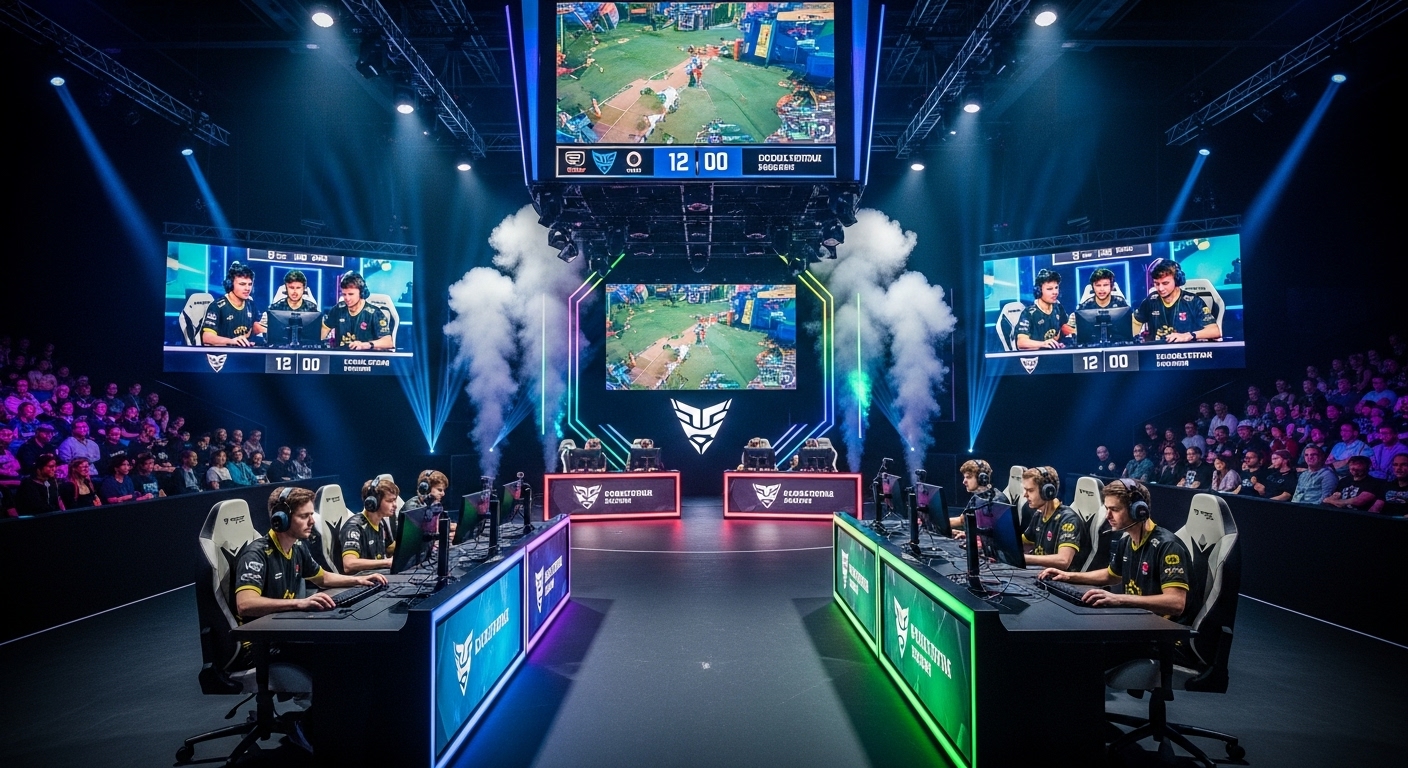
By the early 2000s, the idea of organized tournaments gained traction, with larger events such as the World Cyber Games (WCG) and the Electronic Sports World Cup (ESWC) emerging. These events attracted international players and set the stage for professional leagues and global competitions. However, it wasn’t until the advent of popular games like “StarCraft” and “Counter-Strike” that eSports truly began to take off. Players who were once hobbyists began to form teams, while the increasing popularity of streaming platforms like Twitch allowed millions of fans to watch live tournaments from the comfort of their homes. This shift would prove to be a turning point for competitive gaming.
The Games That Built eSports
One of the defining factors of eSports is the games themselves. Certain titles have become synonymous with competitive gaming, attracting not only skilled players but also massive global audiences. These games are carefully crafted to provide a mix of skill, strategy, and excitement, making them perfect for eSports.
Multiplayer Online Battle Arenas (MOBA)
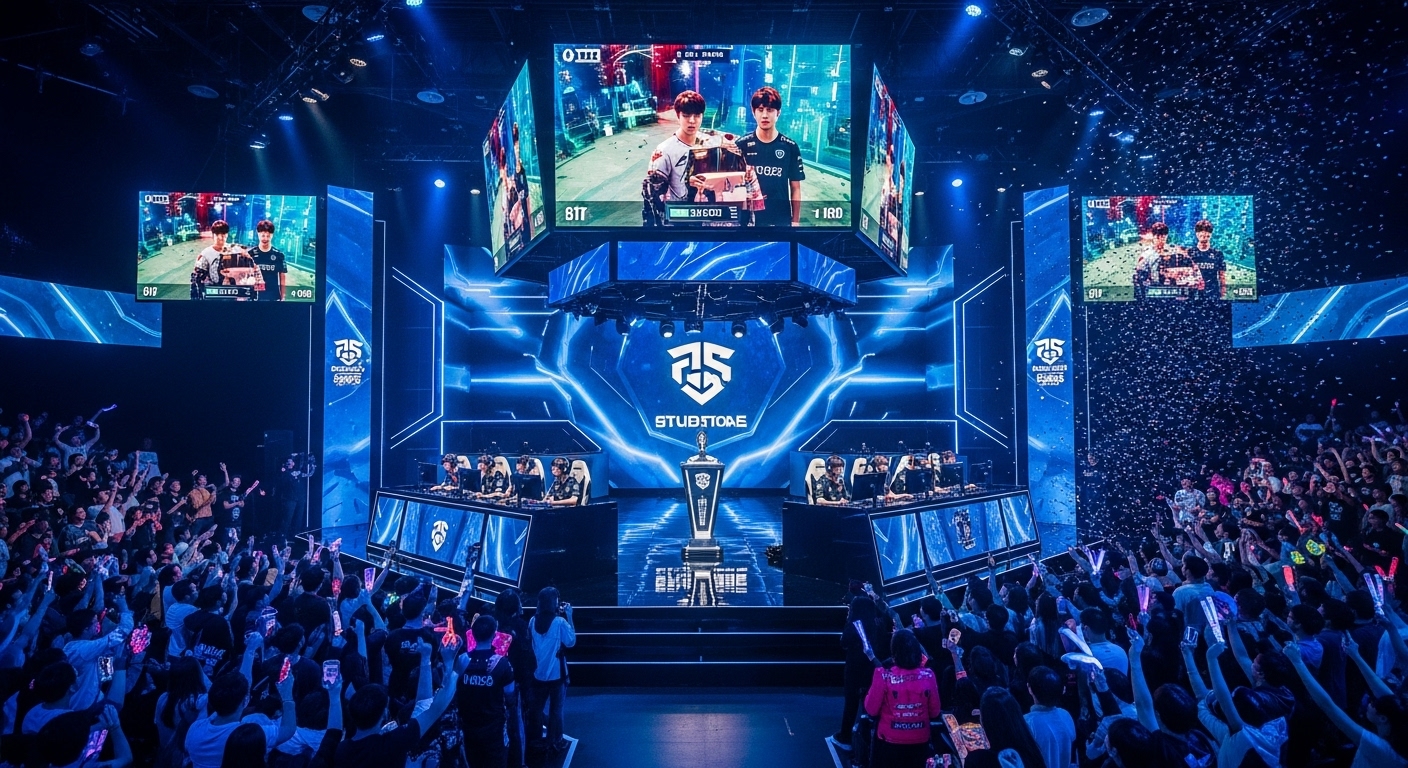
Perhaps no genre has been more influential in the growth of eSports than the Multiplayer Online Battle Arena (MOBA). Games like “League of Legends” and “Dota 2” have become global phenomena. In MOBAs, two teams of players battle against each other, each controlling a hero with unique abilities. The goal is to destroy the enemy team’s base while defending one’s own. The strategic depth of MOBAs, combined with fast-paced, action-packed gameplay, makes them ideal for competitive gaming. “Dota 2’s” annual “The International” tournament is one of the most prestigious events in the eSports calendar, with prize pools often exceeding $30 million. “League of Legends” also has an enormous following, with its World Championship attracting millions of viewers every year.
First-Person Shooters (FPS)
First-person shooters like “Counter-Strike: Global Offensive” (CS:GO), “Overwatch,” and “Call of Duty” have long been pillars of the eSports ecosystem. FPS games focus on precision, reflexes, and teamwork, with players engaging in fast-paced gunfights while completing objectives. The accessibility of these games makes them popular among a wide range of players, and their action-packed gameplay draws large audiences. Major FPS tournaments such as the CS:GO Major Championships feature some of the most intense and skillful gameplay in the world. Similarly, “Overwatch League” has brought the excitement of FPS to new heights, with teams representing cities and competing in a highly organized league format.
Battle Royale Games
The emergence of the Battle Royale genre has significantly altered the landscape of eSports. “Fortnite” and “Apex Legends” have popularized this genre, where dozens or even hundreds of players fight to be the last one standing in a shrinking arena. These games are often characterized by their unpredictability, as players need to adapt quickly to shifting circumstances. “Fortnite,” in particular, made a huge splash in the gaming world, attracting millions of players and viewers alike. The game’s massive popularity also helped usher in a new era of eSports, with major tournaments offering multimillion-dollar prizes and attracting top-tier players.
Sports Simulation Games
While eSports is often associated with fantasy or action games, sports simulation games such as “FIFA,” “NBA 2K,” and “Madden NFL” have also made their mark. These games replicate real-life sports like soccer, basketball, and American football, allowing players to compete in digital versions of their favorite sports. The growth of sports-related eSports events, like the “FIFA eWorld Cup” and the “NBA 2K League,” demonstrates how gaming and traditional sports are becoming increasingly intertwined. These games attract both gamers and sports fans, creating an exciting blend of digital and real-world competition.
The Social Impact of eSports: Building Communities
Beyond the competitive aspect, one of the most powerful elements of eSports is the sense of community it fosters. Unlike traditional sports, where fans often root for local or national teams, eSports transcends geographical barriers, allowing players and fans from all over the world to connect. Streaming platforms like Twitch and YouTube have revolutionized the way people engage with eSports, giving fans the ability to watch live events, chat with players, and even become involved in the gaming process through social media.
The rise of professional streamers has also contributed to eSports’ popularity. Top gamers have turned their streams into full-time careers, building massive followings of fans who tune in regularly to watch their gameplay, interact in chat, and even participate in giveaways or community events. This has created a unique bond between players and fans, who often feel as though they are part of the action themselves.
Moreover, eSports has become a platform for inclusivity and diversity. While gaming has historically been male-dominated, there has been a growing movement to encourage female participation in eSports. Prominent female players, streamers, and content creators have inspired many others to break through barriers and pursue competitive gaming careers. The rise of female eSports leagues and tournaments further reflects the increasing acceptance of women in the space.
Additionally, the mental health awareness movement within eSports has gained traction. Many players and organizations now emphasize the importance of mental well-being, ensuring that players have access to the necessary support systems to cope with the pressures of competition. This has been crucial in reducing stigma and promoting a healthier, more sustainable approach to eSports careers.
The Economic Impact: A Billion-Dollar Industry
As eSports continues to grow, its economic impact becomes more evident. In recent years, the industry has blossomed into a multi-billion-dollar sector, with revenue streams coming from several sources, including sponsorships, advertising, media rights, merchandise sales, and ticket sales to live events. According to reports, global eSports revenue surpassed $1 billion in 2021 and is projected to grow steadily in the coming years.
The sponsorship market has been a key driver of eSports’ financial success. Major brands such as Intel, Coca-Cola, and Red Bull have made significant investments in eSports, recognizing the potential to reach a young, tech-savvy audience. These partnerships not only help fund tournaments and leagues but also enable eSports organizations to expand their operations and improve the quality of competitions.
Prize pools for major tournaments also reflect the growing financial stakes of eSports. Some of the largest prize pools in eSports history have been associated with games like “Dota 2,” where The International’s prize pool often exceeds $30 million. Players themselves can earn substantial incomes, with top professionals regularly earning salaries in the hundreds of thousands of dollars, in addition to sponsorship deals and tournament winnings.
Furthermore, eSports has created a wide range of job opportunities beyond gaming itself. Event organizers, broadcasters, analysts, coaches, content creators, and marketers are all integral to the eSports ecosystem. Many universities now offer programs in eSports management, further legitimizing the industry as a career path. In fact, eSports has become a viable career for many young people, allowing them to earn a living doing what they love.
The Future of eSports: A Digital Landscape
The future of eSports looks incredibly promising. With new technological advancements on the horizon, the potential for eSports to reach even greater heights is vast. The continued development of virtual reality (VR) and augmented reality (AR) technologies will likely enhance the immersive experience for both players and spectators. Imagine competing in a fully virtual world or watching tournaments from within a virtual arena—these technologies could revolutionize the way we experience eSports.
Moreover, the increasing popularity of mobile gaming, especially in emerging markets such as Asia and Africa, will further expand eSports’ global reach. As mobile internet connectivity improves and smartphones become more powerful, players will have more opportunities to participate in eSports, creating a more inclusive environment for gamers everywhere.
As eSports continues to blend with traditional sports, it is likely we will see more hybrid events that combine live sports and gaming. In fact, some professional sports teams, such as the NBA and NFL, have already invested in eSports leagues and teams. This convergence will help further solidify eSports as a mainstream form of entertainment.
Conclusion: eSports as the Future of Entertainment
eSports has rapidly evolved into one of the most dynamic and exciting sectors in entertainment. From its humble beginnings in local LAN parties to its current status as a multi-billion-dollar industry, eSports has captured the imagination of millions of fans around the world.