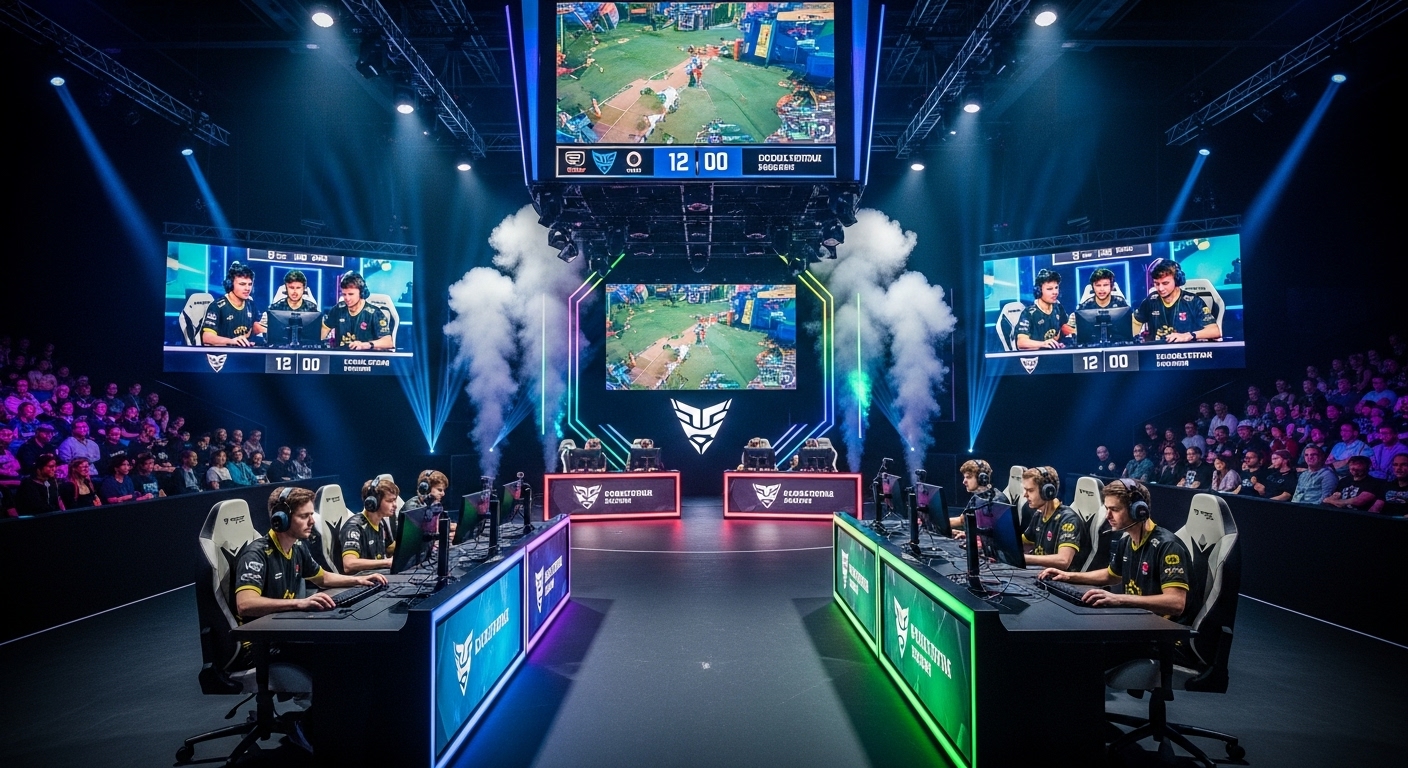






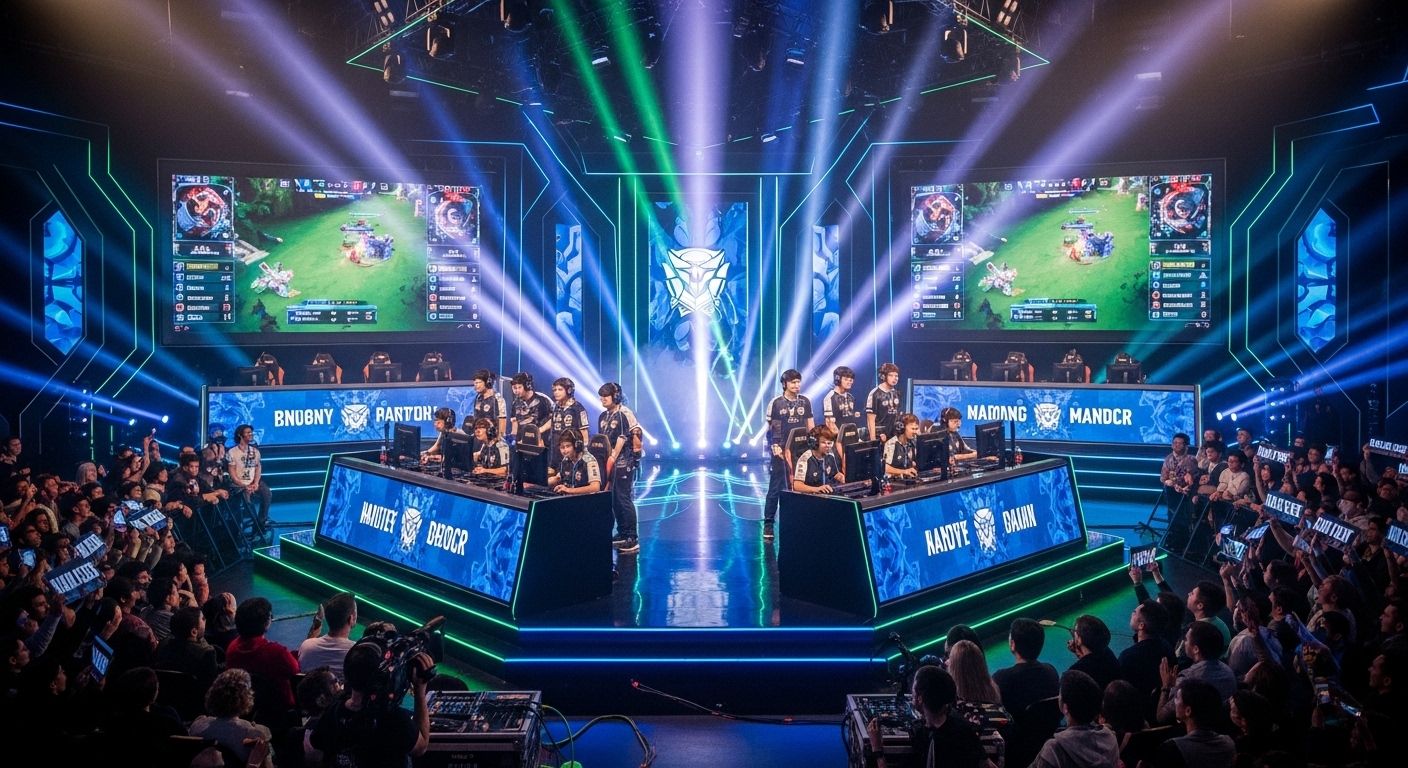
In recent years, the world of competitive gaming has experienced an extraordinary transformation. What once started as a niche hobby has now evolved into a multi-billion-dollar industry, garnering the attention of millions of viewers and players worldwide. From humble beginnings in local LAN parties to large-scale international tournaments with millions of dollars in prize money, esports has quickly become a dominant force in the entertainment sector. With professional teams, dedicated fanbases, and lucrative sponsorship deals, esports has reshaped the way we view both gaming and traditional sports.
This blog post will explore the rise of esports, its rapid growth, the key players involved, and the future prospects of this revolutionary industry.
The Birth of Esports: From Casual Play to Competitive Arena
The origins of esports can be traced back to the early days of video games. Although the concept of competition has been a part of gaming since its inception, the foundation of modern esports was laid in the late 1990s. The first true esports tournament is often considered to be the 1997 Red Annihilation tournament for the game Quake. This was one of the first large-scale online tournaments, and it marked a turning point for competitive gaming. Players competed for significant prizes, including a Ferrari, signaling that esports was more than just a casual hobby—it was emerging as a serious and professional activity.
Following Quake, a number of other competitive games began to gain traction. Titles like StarCraft, Counter-Strike, and Warcraft III solidified the competitive gaming scene, with tournaments taking place across different regions. The introduction of LAN (Local Area Network) parties, where players could gather to compete in person, helped to foster a sense of community and camaraderie among players. These early tournaments, although small compared to today’s standards, laid the groundwork for what would eventually become a multi-billion-dollar global industry.
The Growth of Esports: Online Streaming and Global Reach
The growth of esports accelerated in the early 2000s, thanks in large part to the rise of high-speed internet and the popularity of streaming platforms. With the advent of broadband internet, players could now compete against one another across the globe without needing to meet in person. At the same time, platforms like Twitch and YouTube made it possible for fans to watch live gaming events, bringing esports to a much wider audience.
Twitch, launched in 2011, became one of the most significant turning points for the esports scene. By providing a platform for players to stream their gameplay, it allowed gamers to build fanbases, interact with viewers, and generate income from advertising and subscriptions. The rise of streaming not only revolutionized the way people consumed esports content, but it also enabled players to transition from part-time hobbyists to full-time content creators and professional athletes.
This newfound visibility attracted sponsors, investors, and media companies to the esports industry. High-profile brands, from energy drinks to hardware manufacturers, saw the potential in associating their products with the growing esports scene. Major companies like Coca-Cola, Intel, and Nike entered the esports market, providing financial backing and further legitimizing competitive gaming as a professional industry. In turn, esports events became larger, better funded, and more organized, with prize pools that rivaled those of traditional sports.
Esports as a Profession: From Players to Coaches and Analysts
In the early days of esports, players were often seen as lone competitors fighting for glory and prize money. Today, esports has transformed into a full-fledged profession, with well-established teams, coaches, analysts, and support staff. The esports ecosystem now mirrors traditional sports, with a growing infrastructure designed to support players both on and off the field.
At the heart of the esports industry are the professional players. These individuals dedicate countless hours to perfecting their skills, often practicing for 8-10 hours a day to stay competitive. Just like in traditional sports, these players are signed to esports organizations, which manage their contracts, sponsorships, and tournament participation. The top players can earn substantial salaries through their contracts, sponsorships, and streaming revenue, turning esports into a viable career option for many.
In addition to players, the esports industry also has a growing support structure. Teams often employ coaches who help refine strategies, analyze gameplay, and train players. Coaches work closely with players to improve individual skills and ensure that the team is working cohesively. Analysts, who study game mechanics and provide tactical insights, have also become an integral part of professional teams. Additionally, managers, marketing teams, and content creators work to promote the team and increase its visibility in the esports community.
Major Esports Titles and Their Global Appeal
One of the driving forces behind the growth of esports has been the rise of iconic games that have captured the hearts of players and viewers alike. These games not only offer a high level of competitive depth but also foster large communities that are passionate about the competitive scene.
- League of Legends
Developed by Riot Games, League of Legends (LoL) is one of the most popular and influential esports titles. Since its release in 2009, it has become a staple of the competitive gaming world. The game is a multiplayer online battle arena (MOBA) in which two teams of five players compete to destroy each other’s base. LoL’s World Championship, held annually, attracts millions of viewers and features a prize pool in the tens of millions of dollars. - Dota 2
Created by Valve, Dota 2 is another hugely popular game in the esports scene. Like LoL, Dota 2 is a MOBA, but it features a more complex and tactical gameplay style. Dota 2’s International tournament is one of the largest and most lucrative esports events in the world, with prize pools regularly exceeding $30 million. The competitive Dota 2 scene is known for its high skill ceiling and intense matches, drawing in millions of fans worldwide. - Counter-Strike: Global Offensive (CS:GO)
CS:GO is a first-person shooter developed by Valve and Hidden Path Entertainment. It has been a mainstay in the esports scene since its release in 2012. The game features two teams of five players, one side acting as terrorists and the other as counter-terrorists. CS:GO tournaments are some of the most prestigious in the esports world, with events like the ESL One Major and the CS:GO Major Championships attracting top-tier teams and large audiences. - Overwatch
Blizzard Entertainment’s Overwatch combines first-person shooting with team-based strategy. The game features a cast of heroes with unique abilities, and teams of six players work together to achieve objectives. The Overwatch League (OWL) has been one of the most innovative esports leagues, featuring city-based teams and a regular season format similar to traditional sports leagues. The league has attracted major sponsorships and built a solid fanbase since its launch in 2018. - Fortnite
Fortnite’s rise to esports prominence is relatively recent, but it has had an undeniable impact on the competitive gaming landscape. Developed by Epic Games, Fortnite is a battle royale game that blends traditional shooting mechanics with building mechanics. The Fortnite World Cup, which took place in 2019, offered a $30 million prize pool, making it one of the most lucrative esports tournaments in history. - Valorant
Released by Riot Games in 2020, Valorant is a tactical first-person shooter that combines elements of Counter-Strike with unique character abilities similar to Overwatch. It quickly gained traction in the esports scene and has become a major contender in the competitive gaming world. Tournaments like the Valorant Champions Tour (VCT) are now some of the most highly anticipated events for fans of the game.
The Global Reach of Esports: Viewership and Fan Engagement
Esports is a truly global phenomenon. While the industry began in North America and parts of Europe, it has since expanded to regions all over the world, including Asia, Latin America, and Oceania. In fact, Asia has become the dominant hub for esports, particularly in countries like South Korea, China, and Japan, where competitive gaming is not only popular but is often considered a national pastime.
The viewership for major esports events has skyrocketed in recent years. The League of Legends World Championship regularly attracts over 100 million viewers, and other events like The International for Dota 2 and CS:GO Majors also draw millions of viewers. The accessibility of online streaming platforms, particularly Twitch, has made it easier than ever for fans to watch esports events from anywhere in the world. Esports is also becoming a staple on television, with major networks like ESPN broadcasting live events.
Fan engagement is also a critical aspect of esports’ success. Social media platforms like Twitter, Reddit, and Discord allow fans to interact directly with players, teams, and organizations. This sense of community has helped to foster a deeper connection between players and their fans, making esports more than just a passive viewing experience. Many fans actively participate in online discussions, vote on team strategies, and support their favorite players through donations and subscriptions.
The Future of Esports: New Horizons and Challenges Ahead
The future of esports looks incredibly promising. As the industry continues to grow, new technologies like virtual reality (VR) and augmented reality (AR) may offer even more immersive competitive experiences. With VR gaming in its early stages, esports could see a shift toward more interactive and engaging formats that allow viewers to experience the action from a first-person perspective.
The integration of blockchain and cryptocurrency may also play a significant role in the future of esports, particularly in areas like digital ownership, rewards systems, and tournament prizes. In fact, some esports organizations are already experimenting with these technologies