





Introduction: The Evolution of Esports
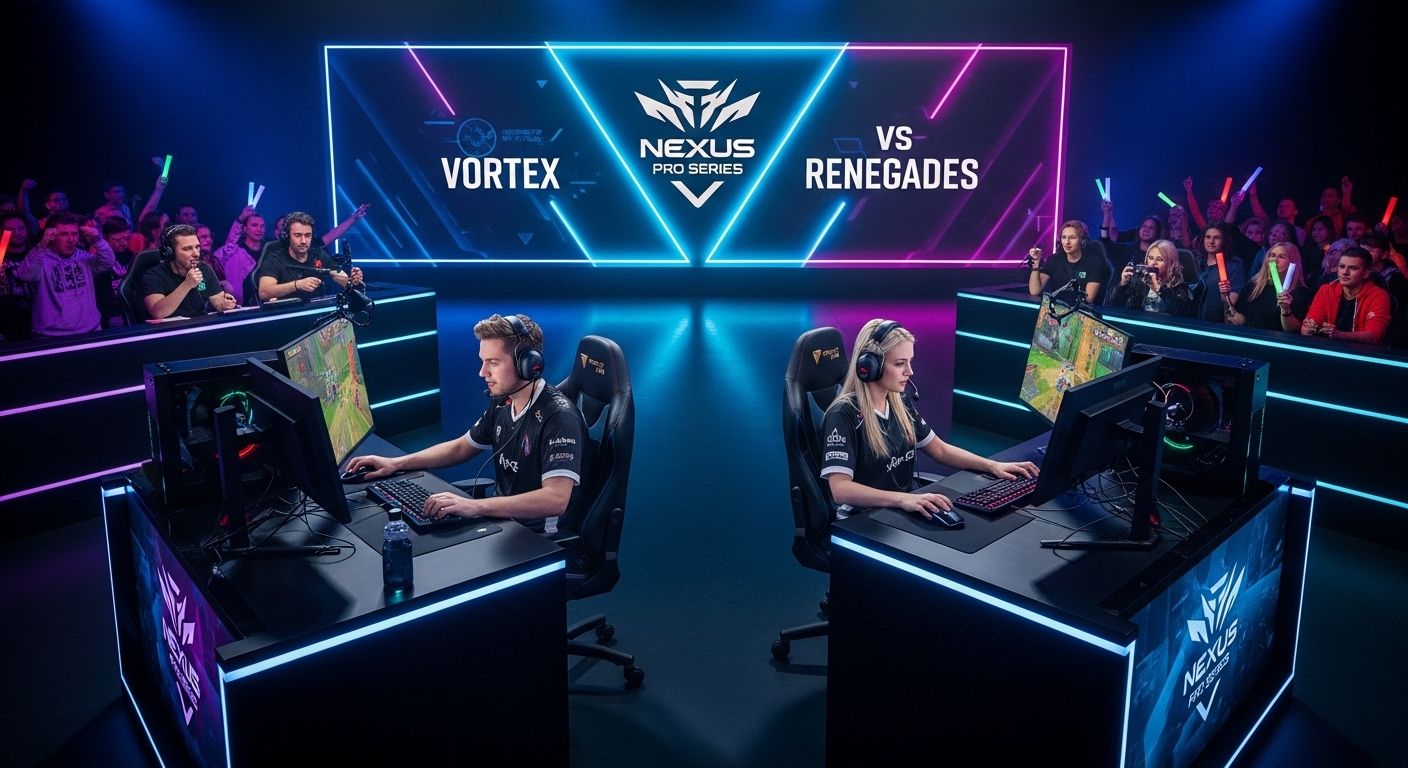
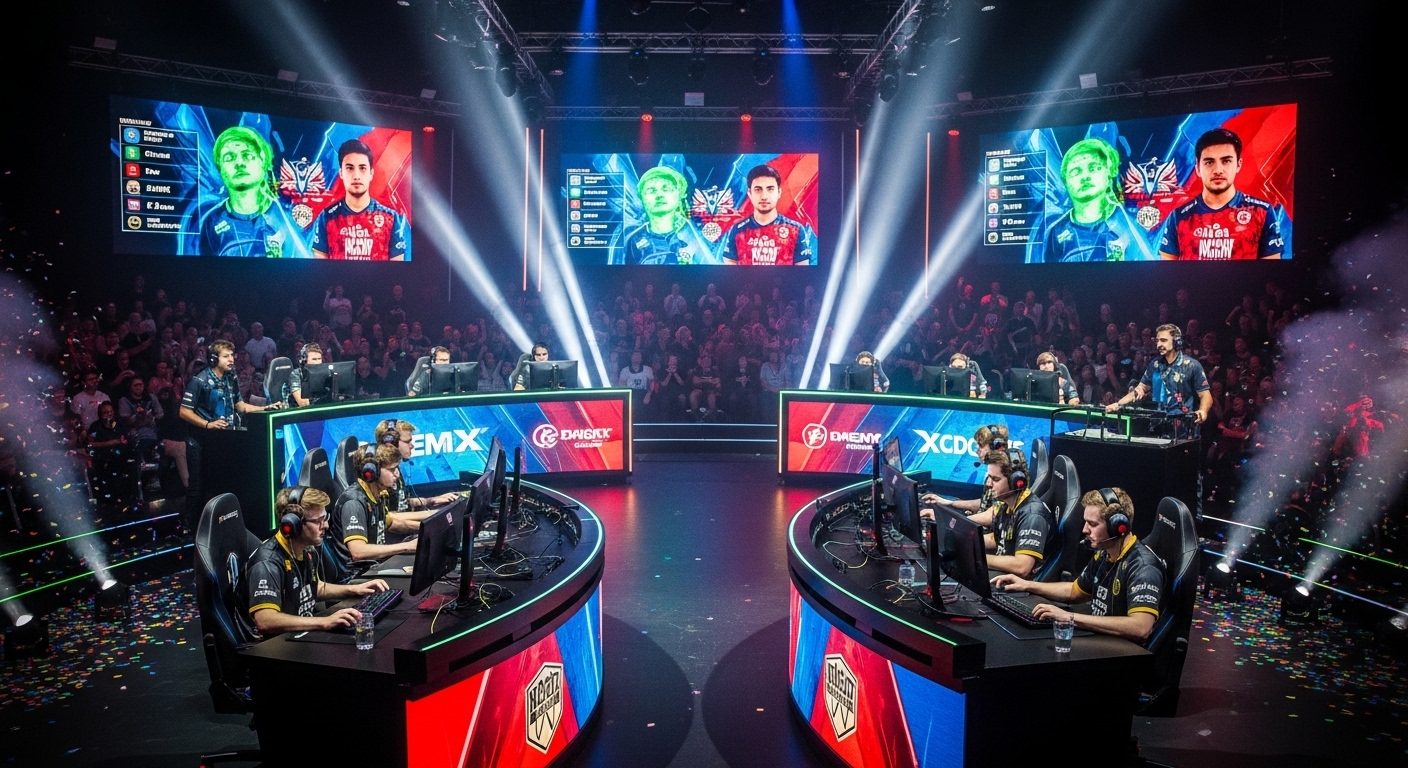
Esports, short for electronic sports, has quickly transformed from a niche hobby into a global phenomenon. What was once a small community of passionate gamers battling in local LAN tournaments has now blossomed into a multibillion-dollar industry, captivating millions of fans worldwide. Whether it’s watching players go head-to-head in strategy games like League of Legends or feeling the intensity of fast-paced action in Counter-Strike: Global Offensive, esports has found its way into mainstream entertainment. With its huge player base, professional leagues, and high-stakes tournaments, esports is reshaping the world of both gaming and sports.
The rise of esports has been fueled by the proliferation of streaming platforms, widespread internet access, and an ever-growing audience that thrives on the excitement and competition it brings. The appeal of esports extends beyond just playing games; it’s about strategy, teamwork, skill, and the shared passion that connects players and fans. This blog will explore the rapid growth of esports, its diverse ecosystem, its impact on traditional sports, and its promising future.
The Birth of Esports: From Hobby to Industry
The origins of esports can be traced back to the late 1990s and early 2000s when the rise of multiplayer games such as StarCraft, Quake, and Warcraft started to introduce competitive play to gaming. These early tournaments were modest affairs, but they established a foundation for what would eventually become the global esports scene. Online gaming allowed players to compete against each other remotely, and soon, larger, more formalized competitions began to take shape.
As internet speeds improved and gaming hardware became more accessible, esports evolved. Major tournaments like the World Cyber Games and the Electronic Sports World Cup began to attract global attention in the early 2000s. However, it wasn’t until the advent of streaming platforms like Twitch and YouTube Gaming that esports reached new heights of popularity. These platforms allowed viewers to watch live competitions from anywhere in the world, offering a window into the dynamic world of competitive gaming.
In the past decade, esports has exploded in both viewership and revenue. Games such as League of Legends, Dota 2, Fortnite, and Counter-Strike: Global Offensive became staples of the esports scene, with tournaments featuring massive prize pools and drawing in millions of fans. The introduction of professional leagues, sponsorships, and broadcasting agreements has helped propel esports into the mainstream, solidifying its position as one of the fastest-growing entertainment industries in the world.
Esports Games: The Heart of Competitive Play
At the core of every esports competition are the games that provide the platform for intense, high-level competition. Each game has its own unique set of mechanics, strategies, and player dynamics, which is what makes the esports scene so diverse. Some of the most iconic and influential games in the world of esports include:
League of Legends (LoL)
Developed by Riot Games, League of Legends has become one of the most popular esports titles in history. The game features teams of five players, each controlling a unique character with distinct abilities, battling to destroy the opposing team’s base. LoL has an incredibly deep learning curve, which requires players to develop mastery in strategy, teamwork, and quick decision-making. The League of Legends World Championship is one of the most watched esports events annually, with teams from around the world vying for the coveted Summoner’s Cup.
Dota 2
Dota 2 is another game that has gained immense popularity in the esports world. Like League of Legends, it’s a Multiplayer Online Battle Arena (MOBA) game, but with different mechanics, heroes, and strategies. Developed by Valve, Dota 2 has become synonymous with esports grandeur, especially due to The International—its flagship tournament, which boasts one of the largest prize pools in esports history. Dota 2‘s intricate strategies and massive team fights make it a thrilling spectacle to watch.
Counter-Strike: Global Offensive (CS:GO)
A staple of competitive first-person shooters, Counter-Strike: Global Offensive (CS:GO) is one of the longest-standing and most competitive games in esports. Players take on the role of either terrorists or counter-terrorists in a series of tactical team-based missions, with one team planting a bomb and the other trying to defuse it. The game’s emphasis on precise aim, quick reflexes, and teamwork has made it a popular choice for competitive play. The CS:GO Major Championships, the game’s top-tier tournament, attracts millions of viewers each year and features some of the most skilled players in the world.
Fortnite
While Fortnite is not as traditional as other esports titles, it has revolutionized the battle royale genre and made a significant impact on the esports landscape. Developed by Epic Games, Fortnite‘s free-to-play model and unique building mechanics set it apart from other shooters. The Fortnite World Cup in 2019 featured a prize pool of $30 million, making it one of the largest competitive events in history. Fortnite has attracted a massive following, especially among younger gamers, and has brought esports to a new generation of players.
The Esports Ecosystem: Teams, Sponsors, and Tournaments
Esports isn’t just about individual players competing for glory—it’s about teams, organizations, and a well-established ecosystem that supports professional gamers. Much like traditional sports, esports teams are formed by organizations that recruit and manage top players. These teams are often sponsored by major brands, ranging from gaming peripherals manufacturers to global corporations like Coca-Cola, Intel, and Mercedes-Benz.
Professional esports organizations such as Cloud9, Team Liquid, and FaZe Clan are household names in the gaming world. These organizations provide players with salaries, coaches, analysts, training facilities, and everything they need to excel in their chosen games. In exchange, these organizations aim to secure sponsorship deals, host tournaments, and boost their brand’s visibility.
The structure of esports tournaments plays a crucial role in the industry’s growth. Events like The International, League of Legends World Championship, and the CS:GO Major Championships are just a few examples of high-stakes tournaments that attract global attention. These tournaments feature enormous prize pools, often reaching millions of dollars, and offer teams the chance to showcase their skills on an international stage.
The role of sponsorships cannot be overstated in the esports ecosystem. Much like traditional sports, esports events rely heavily on sponsorship deals for financial support. Brands see esports as an opportunity to reach a young, engaged, and tech-savvy audience, making esports sponsorships highly attractive. In addition to event sponsorships, esports organizations also secure partnerships with companies in the tech, gaming, and lifestyle sectors, further boosting the financial stability of the industry.
The Global Esports Audience: A Community Like No Other
One of the most fascinating aspects of esports is its global, interactive fanbase. Unlike traditional sports, where fans often have to attend live events or watch on television, esports fans can engage with their favorite players and teams from anywhere in the world. Streaming platforms like Twitch and YouTube Gaming have become the main avenues for fans to watch live competitions, participate in chats, and share their thoughts on gameplay.
Esports is also incredibly inclusive, appealing to players of all ages, backgrounds, and skill levels. Whether it’s a casual gamer watching their favorite streamers or a hardcore fan following every major tournament, esports has a space for everyone. The community-driven nature of esports allows fans to connect not only with the players but with one another. From sharing memes and discussing strategies to creating fan art, esports fans are active participants in the culture.
The digital nature of esports allows it to reach audiences across borders. In fact, the global reach of esports is one of its defining features. Fans from North America, Europe, Asia, and Latin America all tune in to watch their favorite teams compete, with online streaming providing an inclusive environment for international viewership.
The Financial Boom of Esports: From Prize Pools to Sponsorships
Esports is a multi-billion-dollar industry that continues to expand every year. The financial impact of esports is not limited to prize money; it extends to sponsorships, media rights, ticket sales, and merchandise. Companies from a variety of industries have recognized the value of partnering with esports, leading to lucrative sponsorship deals that inject millions of dollars into the scene.
Prize pools for major esports tournaments have exploded in recent years. The International for Dota 2 set a record with a prize pool of over $40 million in 2021, primarily funded by in-game purchases made by players. League of Legends also offers multi-million-dollar prize pools for its tournaments, and Fortnite’s World Cup made history with a $30 million prize pool.
Sponsorships are another major revenue stream for esports. Major brands like Intel, Red Bull, Coca-Cola, and Nike have all invested heavily in esports, either through team sponsorships or event partnerships. This has helped elevate esports into the mainstream, as companies recognize the value of reaching a highly engaged audience that spends hours watching streams, playing games, and following their favorite teams.
The Future of Esports: Technology, Global Expansion, and Mainstream Acceptance
The future of esports looks incredibly promising, with several key factors contributing to its ongoing growth. Technology will play a crucial role in shaping the future of competitive gaming. The development of virtual reality (VR) and augmented reality (AR) could revolutionize the way esports tournaments are experienced by players and fans. VR could allow fans to virtually “attend” tournaments from anywhere in the world, while AR might create immersive in-game experiences for players.