






Introduction: The Rise of eSports
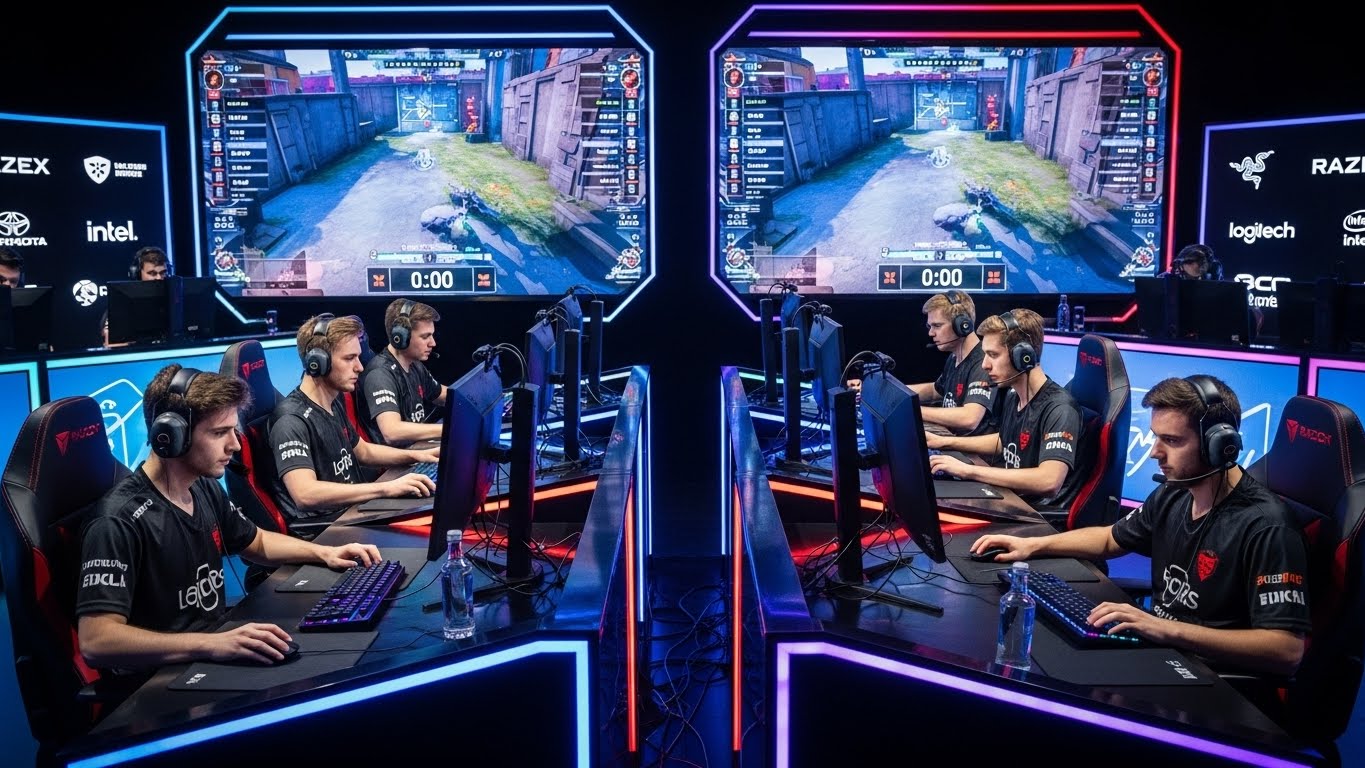
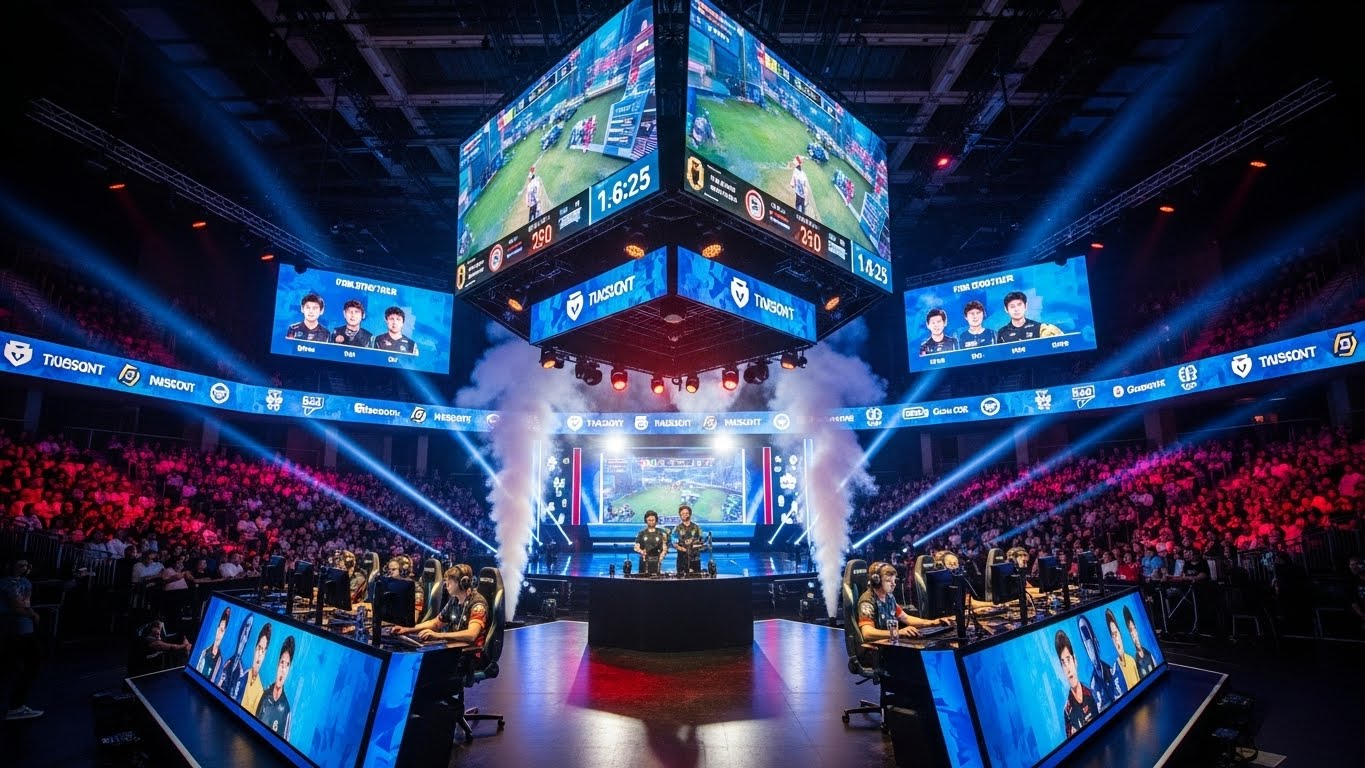
In the last two decades, eSports has transformed from a niche hobby into a global competitive phenomenon. Once confined to small gaming communities, competitive gaming now boasts professional leagues, international tournaments, and millions of viewers worldwide. What started as casual competition has evolved into a legitimate industry where players, sponsors, and organizations work together to push the boundaries of gaming excellence. eSports is not just entertainment; it is a cultural, technological, and economic force reshaping how we think about sports and competition.
The Origins of Competitive Gaming
The roots of eSports can be traced back to the 1970s and 1980s, when arcade competitions and early console tournaments started emerging. Gamers would compete for high scores in games like Pac-Man, Space Invaders, and Donkey Kong, creating local rivalries and communities. These early competitions were small-scale but introduced the concept of gaming as a competitive pursuit.
The 1990s brought personal computers and the internet, revolutionizing the landscape. Games such as StarCraft, Quake, and Counter-Strike allowed players to compete over LAN networks and online platforms. These developments gave rise to early professional scenes and international tournaments, setting the foundation for the modern eSports industry.
The Professionalization of eSports
The 2000s marked a pivotal shift for competitive gaming. Developers and organizations began establishing official leagues, complete with structured tournaments, prize money, and sponsorship deals. South Korea emerged as a global hub, particularly with StarCraft, where professional players were treated as celebrities and gaming houses offered training and coaching.
International tournaments grew in scale and prestige, attracting top talent from around the world. Professional teams began forming, complete with coaching staff, analysts, and dedicated training facilities. This period transformed eSports from a hobbyist pursuit into a legitimate career path, garnering respect and recognition worldwide.
Popular eSports Titles and Their Communities
Today, eSports encompasses a wide array of games, each cultivating its own unique community. Multiplayer Online Battle Arenas (MOBAs) such as League of Legends and Dota 2 dominate competitive leagues with massive international tournaments. First-Person Shooters (FPS) like Counter-Strike: Global Offensive, Valorant, and Call of Duty challenge players’ reflexes, precision, and strategic thinking.
Battle Royale games, including Fortnite and PUBG, attract millions of viewers with high-stakes, fast-paced gameplay. Sports simulation titles like FIFA and NBA 2K bring traditional sports into the virtual arena, allowing fans to engage competitively with their favorite games. Each genre contributes to eSports’ diversity, creating communities that are passionate, global, and highly engaged.
The eSports Ecosystem
eSports is more than just players competing; it is a vast ecosystem. Professional teams recruit talented players, provide coaching, and develop strategies. Sponsors, including tech brands, apparel companies, and energy drinks, invest heavily in teams and tournaments. Event organizers manage competitions, ensuring fair play and professional standards, while streaming platforms broadcast these events to global audiences.
Content creators and commentators also play a crucial role in shaping the eSports culture. They provide entertainment, tutorials, and insights, keeping fans engaged even outside tournaments. This interconnected ecosystem supports the growth and sustainability of eSports as both an industry and a form of entertainment.
The Role of Streaming in eSports Growth
Streaming platforms have revolutionized the way fans experience eSports. Live broadcasts allow audiences to watch competitions in real-time, interact with commentators, and connect with communities of like-minded fans. This accessibility has expanded eSports’ reach, making it possible for anyone with an internet connection to engage with tournaments and players.
Beyond live events, streamers offer behind-the-scenes content, gameplay tutorials, and personal commentary. This creates a sense of intimacy between fans and players, and provides amateur gamers with opportunities to showcase their talent, potentially leading to professional careers.
Economic Impact of eSports
eSports has become a multi-billion-dollar global industry. Prize pools for major tournaments now reach millions of dollars, rivaling traditional sports events. Revenue streams include sponsorships, advertising, media rights, ticket sales, and merchandise. Cities and countries invest in infrastructure to host tournaments, attracting tourism and stimulating local economies.
The industry also generates employment opportunities beyond professional players. Coaches, analysts, event organizers, content creators, and marketing specialists all contribute to the ecosystem. eSports demonstrates that gaming is not just entertainment—it is a significant economic driver with global influence.
eSports as a Career Path
For professional players, eSports is a demanding career. Success requires rigorous training, quick reflexes, strategic thinking, and excellent teamwork. Many players begin in local or online tournaments, gradually climbing the ranks to professional leagues.
Professional organizations provide structured support, including coaching, physical and mental health guidance, nutrition advice, and media training. While the career span of an eSports athlete can be relatively short due to physical and mental strain, many transition to roles such as coaches, commentators, analysts, or content creators, extending their involvement in the industry.
Cultural Influence of eSports
eSports has become a cultural force, influencing fashion, media, and entertainment. Top players achieve celebrity status, attracting millions of social media followers. Merchandise, fan events, and online communities foster engagement and loyalty, creating a unique fan culture.
Competitive gaming has also shifted societal perceptions. Video games are no longer dismissed as a casual pastime; they are recognized as legitimate competitive activities requiring skill, discipline, and teamwork. Schools and universities now offer eSports programs and scholarships, emphasizing the educational and professional potential of the industry.
Technology as the Backbone of eSports
Technology underpins every aspect of eSports. High-performance computers, gaming peripherals, and fast internet connections are essential for competitive play. Streaming technology enables global audiences to watch live events, while analytics and AI tools help teams optimize strategies and improve performance.
Emerging technologies like virtual reality and augmented reality are poised to transform the eSports experience further. These innovations promise immersive gameplay, interactive spectator options, and creative opportunities for tournament organizers and developers.
Challenges Facing the Industry
Despite its rapid growth, eSports faces several challenges. Player burnout and mental health concerns are significant, as professional gamers endure long hours of practice and high-pressure environments. Online harassment, cheating, and toxic behavior also threaten the integrity of the competitions and fan engagement.
Regulation and governance are essential for sustainability. Establishing standardized rules, ensuring fair competition, and protecting player rights are crucial for the long-term growth of eSports. Additionally, the industry must continue to innovate to maintain audience interest in an increasingly crowded entertainment landscape.
The Future of eSports
The future of eSports looks promising, with continued growth expected worldwide. Investment from traditional sports organizations, technology companies, and media outlets will further professionalize the industry. Virtual and augmented reality, combined with AI-driven analytics, are set to enhance gameplay, strategy, and spectator experiences.
Educational institutions are expanding eSports programs to cultivate the next generation of players, coaches, and industry professionals. Hybrid events, virtual arenas, and interactive tournaments may become standard, further blurring the lines between traditional sports and digital competition.
Conclusion: eSports as a Modern Sport
eSports has evolved from small community competitions into a global industry that rivals traditional sports in scale, professionalism, and cultural influence. It combines skill, strategy, teamwork, and technology to create a competitive experience that captivates millions. With professional leagues, international tournaments, and thriving communities, eSports is no longer a pastime—it is a legitimate sport and cultural phenomenon.
As technology continues to advance, eSports will grow, innovate, and inspire future generations of players and fans. It represents a new era of competition, where talent, dedication, and creativity are celebrated on a global stage. eSports is not merely about gaming; it is about redefining competition, entertainment, and human potential in the digital age.